
Understanding How Florida Sorts Car Crashes by Severity
Key Takeaways: In Florida, the difference between a minor and moderate car accident depends on injury severity, property damage value, and reporting obligations. A minor accident involves little or no injury and property damage under $500, often requiring no police report, while a moderate accident involves documented injuries, damage of $500 or more, and typically a Long Form crash report. Florida’s no-fault system makes Personal Injury Protection (PIP) your first compensation source in both crash types, regardless of fault. Due to 2023 tort reform, drivers found more than 50 percent at fault may recover nothing, making careful documentation essential. Both minor and moderate claims are generally subject to a two-year statute of limitations for negligence actions accruing after the 2023 reform.
The difference between a minor and moderate car accident in Florida comes down to injury level, property damage value, and formal reporting obligations. A minor accident generally involves little or no injury and lower property damage, while a moderate accident typically involves documented injuries and significant vehicle damage. Understanding where your crash falls clarifies your reporting duties, insurance rights, and claim value.
If you were hurt in a crash and feel unsure about your case’s severity, Attorney Big Al at 1-800-HURT-123 is ready to help. Call us at 1-800-487-8123 or reach us through our secure online contact form to discuss your next steps.
Minor vs Moderate Car Accident: Drawing the Line in Florida
The classification of a crash is less about labels and more about the legal and financial consequences that follow. Florida does not statutorily define "minor" or "moderate," but laws create practical dividing lines through reporting thresholds, injury severity, and liability limits. Understanding the minor vs moderate car accident distinction helps you anticipate how insurers may treat your claim.
One financial marker comes from Florida’s responsibility limits. Under FL § 324.021(9)(b)2, vehicle lessors may be liable up to $100,000 per person and $300,000 per incident for bodily injury, and up to $50,000 for property damage. These thresholds illustrate stakes separating minor claims from moderate claims where injuries may approach these limits.
💡 Pro Tip: Do not assume a crash is "minor" just because your car still drives. Soft-tissue injuries and concussions sometimes surface days later, and early documentation can protect a later injury claim Florida insurers might otherwise dispute.
What Typically Counts as a Minor Car Accident
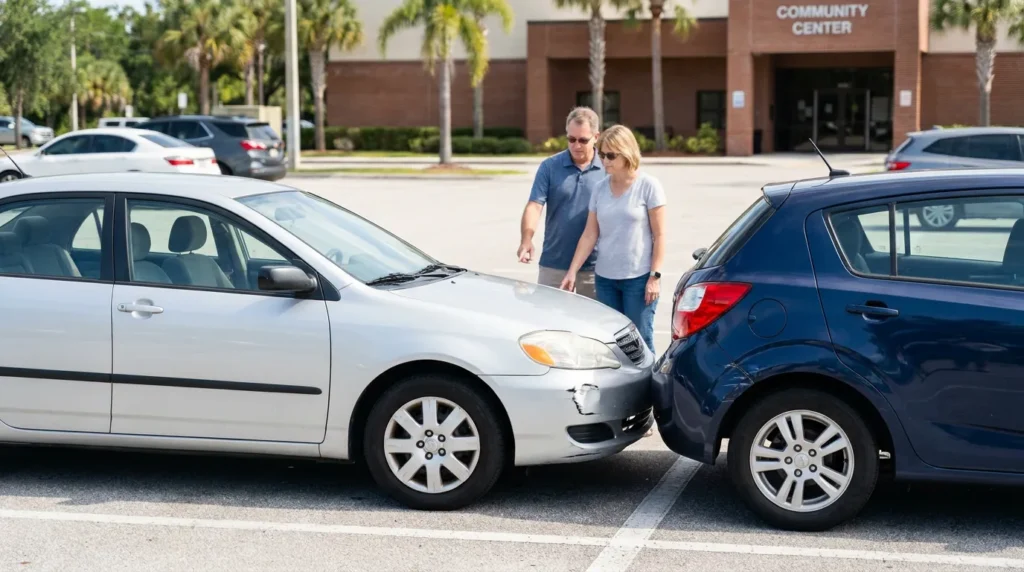
A minor car accident in Florida usually means low-speed contact with little visible damage and no immediate injuries. Think of a light fender bender in a Hollywood parking lot where both vehicles remain drivable. Under FL § 316.065(1), drivers must notify law enforcement only when a crash results in injury, death, or property damage of at least $500. A crash falling below that threshold, with no injuries, may not require a police report.
What Typically Counts as a Moderate Car Accident
A moderate car accident generally involves documented injuries, higher property damage, or a vehicle that cannot be safely driven away. These crashes typically meet or exceed the $500 property damage threshold and almost always require law enforcement notification. They engage Florida’s no-fault insurance system more heavily and may push a victim toward the state’s serious injury analysis. If your injuries are significant, reviewing Florida’s serious injury threshold can help you understand when you may step outside the no-fault system to pursue additional damages.
How Florida Law Frames Your Right to Compensation
Florida’s no-fault system makes Personal Injury Protection the first compensation source in most crashes, regardless of fault. State law requires motor vehicle insurers to provide PIP coverage under FL § 627.7407. PIP pays covered medical expenses for the policyholder, passengers, and resident relatives, and failure to maintain it may result in license and registration suspension. This protection applies whether your crash was minor or moderate.
Insurers carry notice obligations designed to inform you of your benefits. After a Florida crash involving injury, an insurer must provide notice of PIP rights within 21 days under FL § 627.7401(1)-(2). That notice must describe PIP benefits, medical coverage types, disability and death benefits, exclusions, and how PIP coordinates with other insurance. You can review the full text of Florida’s no-fault provisions in the state’s insurance and PIP statute.
How Emergency Treatment Gets Paid First
Florida reserves a portion of your PIP benefits specifically for emergency care providers. When an insurer receives notice of a potentially PIP-covered accident, it must reserve $5,000 of PIP benefits for emergency services providers and licensed physicians or dentists providing hospital inpatient care under FL § 627.736(4)(c). This reserve is held for 30 days before unused funds may pay other claims.
💡 Pro Tip: Seek medical evaluation promptly after any crash. Florida’s PIP framework generally rewards quick treatment, and gaps in care can give adjusters a reason to question whether your injuries came from the accident.
Why Fault Allocation Matters in Every Crash
Florida apportions damages by each party’s percentage of fault rather than holding parties jointly responsible. Under FL § 768.81(3), judgment is entered against each liable party based on their share of fault. This means that in both minor and moderate crashes, if you share some blame, your recoverable damages may be reduced proportionally. Thorough documentation of how the crash happened matters regardless of severity.
The state’s 2023 tort reform changed the rules in ways that affect injured drivers directly. Through HB 837, Florida shifted from pure comparative negligence to modified comparative fault. Under FL § 768.81(6), a party found more than 50 percent at fault for their own harm may not recover any damages, though this bar does not apply to medical negligence actions. This makes even seemingly minor crashes deserving of serious attention. A detailed academic overview appears in this analysis of Florida’s modified comparative negligence shift.
💡 Pro Tip: Avoid admitting fault at the scene, even casually. A simple "I’m sorry" can be characterized later as an admission, and under Florida’s modified comparative fault rule, perceived fault directly affects what you may recover.
Reporting Requirements That Separate Minor From Moderate
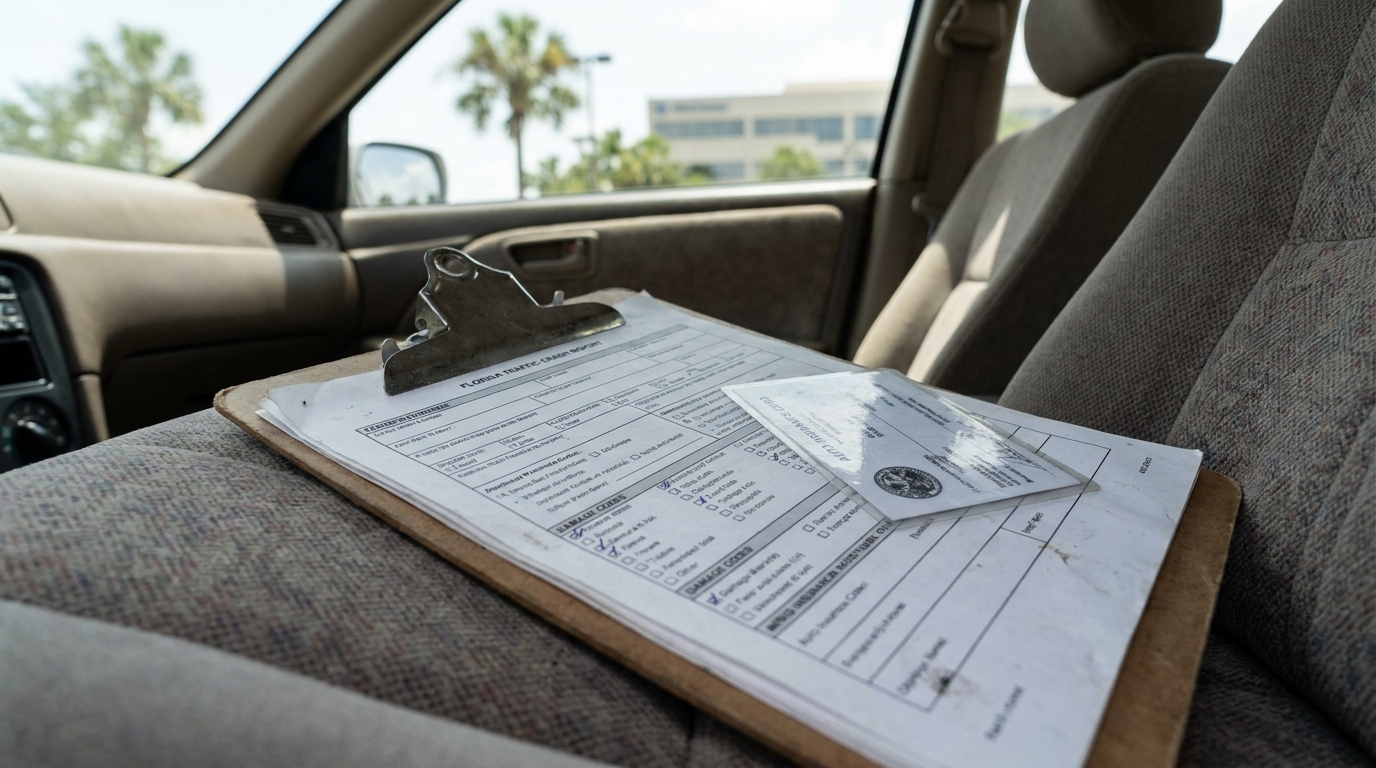
The type of crash report often reveals whether Florida treats your accident as minor or moderate. Under FL § 316.066(1)(a), a Long Form crash report is required when a crash involves personal injury, death, or complaints of pain or discomfort; a violation of s. 316.061(1) (hit-and-run of an attended vehicle) or s. 316.193 (DUI); or a vehicle rendered inoperable requiring a wrecker. Crashes that do not meet those criteria may use a short-form report or driver exchange form.
The following conditions generally push a crash from minor toward moderate and trigger Long Form reporting:
- Any personal injury, death, or complaint of pain or discomfort
- A vehicle rendered inoperable and requiring a wrecker
- A DUI violation or hit-and-run involved in the crash
| Factor | Minor Accident | Moderate Accident |
|---|---|---|
| Injuries | Little to none | Documented injuries |
| Property damage | Often under $500 | Typically $500 or more |
| Police report | May not be required | Generally required |
| Crash report type | Short form or exchange | Long Form likely |
| Insurance impact | Limited PIP use | Heavier PIP and liability exposure |
You can review the underlying reporting rules in Florida’s traffic statutes. Keeping a copy of any report tied to your crash can help support a later claim.
Protecting Your Claim After a Florida Crash
The strongest claims usually start with careful evidence preservation in the hours and days after a crash. Florida applies a two-year limitations period to negligence-based car accident claims under F.S. 95.11(5)(a) for claims that accrued on or after the 2023 reform’s effective date, while crashes occurring before then may fall under the prior four-year period. Courts interpret limitations periods strictly.
💡 Pro Tip: Photograph the scene, vehicle positions, visible injuries, and road conditions before anything is moved. Detailed evidence often becomes the deciding factor when an insurer disputes fault or severity.
Working with a local advocate can help you avoid common missteps that reduce a claim’s value. If your crash happened in Broward County, a Hollywood FL car accident lawyer can help you gather records, communicate with adjusters, and evaluate whether your injuries cross the threshold for additional damages.
Frequently Asked Questions
1. Is a minor car accident worth reporting in Florida?
It may be, depending on the damage and any injuries. Florida requires reporting a crash under FL § 316.065(1) when there is injury, death, or at least $500 in property damage. Even when reporting is not legally required, documenting the crash can protect you if injuries appear later.
2. Does PIP cover me in both minor and moderate accidents?
Generally, yes. Florida law requires insurers to provide PIP coverage that pays covered medical expenses regardless of fault under FL § 627.7407. PIP typically serves as your first compensation source in either crash type.
3. Can I still recover damages if I was partly at fault?
Possibly, but your recovery may be reduced. Under FL § 768.81(3), damages are apportioned by each party’s percentage of fault. If you are found more than 50 percent at fault under FL § 768.81(6), you may be barred from recovering anything.
4. How long do I have to file a car accident claim in Florida?
You generally have two years for a negligence claim. F.S. 95.11(5)(a) sets a two-year limitations period for negligence actions that accrued on or after the 2023 reform took effect. Exceptions are interpreted narrowly, so acting promptly is wise.
5. When does a moderate accident become a "serious" injury case?
It depends on the nature and permanence of your injuries. Florida’s no-fault system limits certain claims unless your injuries meet the statutory serious injury threshold. A detailed medical and legal review can help determine whether your case qualifies.
Taking the Next Step After Your Florida Accident
The line between a minor and moderate car accident in Florida is shaped by injury severity, property damage, reporting duties, and the insurance and fault rules that follow. A minor crash may resolve quickly with limited consequences, while a moderate crash often engages PIP coverage, Long Form reporting, and Florida’s modified comparative fault rules in ways that significantly affect your recovery.
If you have questions about your crash, Attorney Big Al at 1-800-HURT-123 is here to listen. Call our team today at 1-800-487-8123 or send us a message through our online case review request so we can help you understand your rights and protect your claim.
