

What Florida’s New Fault Rules Mean for Your Slip and Fall Case
Imagine slipping on a wet floor at your local grocery store, suffering serious injuries, only to be told you might not receive any compensation because you were texting while walking. This scenario has become increasingly common in Florida since the state’s comparative fault laws changed. If you’re found to be more than 50% responsible for your own accident, you could walk away empty-handed, regardless of your injuries or medical bills. Understanding this critical rule before pursuing a claim could mean the difference between receiving fair compensation and getting nothing at all.
💡 Pro Tip: Document everything immediately after a fall – take photos of the hazard, your shoes, and the surrounding area. These details become crucial when determining fault percentages.
Feeling overwhelmed by Florida’s complex fault rules and worried about your slip and fall case? Don’t leave your compensation to chance. Reach out to Attorney Big Al at 1-800-HURT-123, where skilled help is just a call away. Contact us today at +1 888-897-2108 or contact us to explore your options and safeguard your rights.
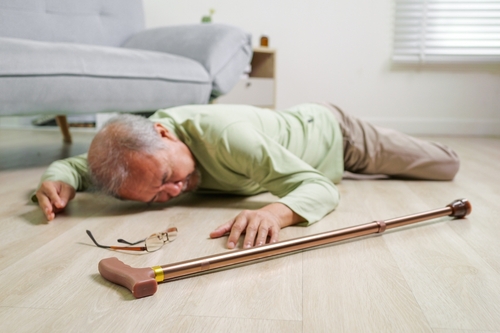
Understanding Your Rights Under Florida’s Comparative Fault Law
Florida Statute 768.81 fundamentally changed how slip and fall cases work in the state. Under this law, any party found to be greater than 50 percent at fault for their own harm cannot recover any damages whatsoever. This means that even if a property owner created a dangerous condition, you could lose your entire case if a jury decides you were mostly responsible for not avoiding it. When you work with a slip and fall attorney in Florida, they’ll help you understand how this law applies to your specific situation and what evidence you’ll need to prove the property owner bears the majority of fault.
The statute specifically states that contributory fault chargeable to the claimant diminishes proportionately the amount awarded as economic and noneconomic damages, but does not bar recovery unless the claimant’s fault exceeds 50 percent. This creates what lawyers call a "modified comparative negligence" system. For example, if you’re awarded $100,000 in damages but found 40% at fault, you’d receive $60,000. However, if you’re found 51% at fault, you receive nothing. A knowledgeable slip and fall attorney in Florida can help evaluate the strength of your case and anticipate how fault might be allocated.
💡 Pro Tip: Keep a detailed journal of how your injuries affect your daily life – this documentation helps establish the full extent of your economic and noneconomic damages under Florida law.
The Step-by-Step Process of a Florida Slip and Fall Claim
Navigating a slip and fall claim in Florida requires understanding both the legal timeline and the strategic considerations at each stage. The process typically unfolds over several months to years, depending on the complexity of your case and how aggressively the property owner fights your claim. Here’s what you can expect when pursuing compensation:
- Immediate aftermath (0-24 hours): Report the incident to property management, seek medical attention, and document everything. Florida courts have consistently held that failure to report promptly can be used as evidence against you.
- Investigation phase (1-3 months): Your slip and fall attorney in Florida will gather evidence, interview witnesses, and often hire experts to reconstruct the accident and determine fault percentages.
- Pre-suit negotiations (3-6 months): Many cases settle during this phase, as property owners prefer to avoid the uncertainty of a jury determining fault percentages under the 50% rule.
- Litigation phase (6-18 months): If settlement fails, formal discovery begins. The defense will scrutinize every aspect of your actions to push your fault percentage above 50%.
- Trial or settlement (12-24 months): Most cases settle before trial, but those that don’t will have fault percentages determined by a jury using Florida’s new standard jury instructions based on F.S. 768.81(6).
💡 Pro Tip: Florida’s statute of limitations for negligence claims is now two years from the date of injury – missing this deadline means losing your right to compensation forever, regardless of fault percentages.
How Attorney Big Al Helps You Beat the 50% Fault Barrier
Successfully navigating Florida’s strict comparative fault system requires experienced legal representation who understands how to frame your case favorably. Attorney Big Al at 1-800-HURT-123 has extensive experience handling slip and fall cases under Florida’s modified comparative negligence rules. The team knows exactly how insurance companies and property owners try to shift blame onto injured victims and has developed proven strategies to counter these tactics. When you consult a lawyer about your case, they’ll immediately begin building evidence to demonstrate that the property owner’s negligence was the primary cause of your accident.
The key to overcoming the 50% fault threshold often lies in thorough investigation and expert testimony. A slip and fall attorney in Florida will work to uncover prior incidents at the property, maintenance records showing neglect, and surveillance footage that supports your version of events. They’ll also prepare you for the aggressive questioning tactics used by defense attorneys attempting to maximize your fault percentage. Attorney Big Al’s team understands that every percentage point matters – the difference between being found 49% or 51% at fault could mean hundreds of thousands of dollars in compensation.
💡 Pro Tip: Be honest with your attorney about any actions that might be construed as contributory negligence – they can only protect you from damaging admissions if they know about them in advance.
Common Scenarios That Push Fault Above 50% in Florida
Understanding what factors Florida courts consider when allocating fault percentages can help you avoid costly mistakes. Property owners and their insurers have become increasingly aggressive in shifting blame since the implementation of the 50% bar rule. They know that pushing your fault percentage just slightly above half means paying nothing, regardless of their own negligence. Working with an experienced slip and fall attorney in Florida becomes crucial when these fault-shifting tactics emerge.
Distracted Walking and Electronic Devices
One of the most common defense strategies involves claiming you were distracted by your phone. Florida courts have shown willingness to assign significant fault percentages to plaintiffs who were texting, talking, or even just carrying phones at the time of their fall. Defense attorneys will subpoena phone records to prove usage at the exact moment of the accident. This scrutiny extends beyond phones – adjusting earbuds, checking smartwatches, or any form of electronic distraction can dramatically increase your fault percentage.
💡 Pro Tip: If you were using your phone before a fall, don’t delete any apps, messages, or call logs – this can be construed as destroying evidence and will severely damage your credibility.
Nonparty Fault: The Hidden Threat to Your Recovery
Florida’s comparative fault statute contains a provision that many accident victims don’t know about until it’s too late. Defendants can allocate fault to nonparties – people or entities not even involved in your lawsuit. This means a grocery store could blame the manufacturer of your shoes, a maintenance company, or even another customer who might have contributed to the hazard. Understanding this aspect of Florida law is essential for anyone pursuing a slip and fall claim, as it adds layers of complexity to fault allocation.
How Defendants Use Nonparty Fault Against You
To allocate fault to a nonparty, defendants must affirmatively plead the nonparty’s fault and prove it by a preponderance of evidence at trial. Smart defense attorneys will identify every possible nonparty who could share blame, effectively diluting their client’s fault percentage. For instance, if you slipped on a wet floor, they might blame the company that waxed the floors, the manufacturer of the floor material, or even other customers who might have tracked in water. Each percentage point allocated to these phantom defendants is one less point assigned to the property owner – and potentially one more obstacle to keeping your own fault below 50%. When you consult a lawyer experienced in Florida Statute 768.81 Comparative Fault cases, they can anticipate these tactics and prepare counterarguments.
💡 Pro Tip: Always identify all potential defendants early in your case – once litigation begins, adding new parties becomes much more difficult and gives the defense more opportunities to spread fault around.
Economic Damages: What You Stand to Lose If Found 51% At Fault
The stakes in a Florida slip and fall case extend far beyond immediate medical bills. Under F.S. 768.81, economic damages include past and future lost income, medical expenses, funeral costs, lost support and services, replacement value of personal property, and other quantifiable losses. When fault percentages hover near 50%, understanding the full scope of your potential damages becomes critical. A single percentage point could mean the difference between recovering these losses and bearing them entirely yourself.
Calculating Future Losses in Slip and Fall Cases
Florida law requires future lost income to be reduced to present value, adding complexity to damage calculations. If you’re a 45-year-old earning $60,000 annually who can no longer work due to slip and fall injuries, your future lost income could exceed $1 million. Add ongoing medical care, therapy, and household services you can no longer perform, and total economic damages often reach surprising levels. The proposed Florida Civil Jury Instructions F.S. 768.81(6) Amendments will guide juries in considering these calculations while simultaneously weighing fault percentages. This interplay between damages and fault makes every detail of your accident crucial.
💡 Pro Tip: Start documenting all economic losses immediately – keep receipts for every expense related to your injury, from medical co-pays to the cost of hiring help for tasks you can no longer perform.
Frequently Asked Questions
Common Legal Concerns About Florida’s 50% Fault Rule
Many slip and fall victims have similar questions about how Florida’s comparative fault system affects their cases. Understanding these key issues helps you make informed decisions about pursuing compensation.
💡 Pro Tip: Write down all your questions before meeting with an attorney – the stress of an accident can make it easy to forget important concerns during your consultation.
Next Steps After a Slip and Fall in Florida
Taking the right actions after your accident can significantly impact how fault is allocated in your case. Every decision matters when the 50% threshold looms over your claim.
💡 Pro Tip: Create a timeline of events as soon as possible after your fall – memories fade quickly, and accurate details about conditions and circumstances are crucial for establishing fault percentages.
1. Can I still receive compensation if I’m partially at fault for my slip and fall in Florida?
Yes, as long as you’re not more than 50% at fault. If you’re found 50% or less responsible, your compensation is reduced by your percentage of fault. For example, if you’re 30% at fault for not seeing a wet floor sign and receive a $100,000 verdict, you’d get $70,000. However, if you’re found 51% or more at fault, you receive nothing under Florida law.
2. What evidence helps prove the property owner was more than 50% at fault?
Strong evidence includes surveillance footage showing the hazard existed for an extended period, maintenance records revealing ignored problems, prior complaints about similar hazards, witness statements, incident reports, and expert testimony about industry safety standards. Photos taken immediately after the fall showing inadequate lighting, missing warning signs, or the hazardous condition itself are particularly valuable.
3. How do insurance companies try to push my fault above 50% in slip and fall cases?
Insurance companies often claim you were distracted, wearing inappropriate footwear, ignoring obvious hazards, or violating posted rules. They’ll scrutinize security footage for any sign of carelessness, interview witnesses about your behavior before the fall, and hire experts to testify about what a "reasonable person" would have done. They may also argue you were somewhere you shouldn’t have been or failed to use available handrails.
4. Should I give a statement to the property owner’s insurance company?
Generally, no. Insurance adjusters are trained to ask questions designed to increase your fault percentage. Seemingly innocent statements like "I should have been more careful" or "I didn’t see the spill" can be used against you. Always consult with an attorney before giving any recorded statements. You have the right to have legal representation present during any questioning.
5. What if the property owner claims someone else caused the dangerous condition?
Under Florida’s nonparty fault rules, defendants can blame others who aren’t part of the lawsuit. However, they must identify these parties and prove their fault at trial. Your attorney can challenge these claims by showing the property owner had notice of the condition and failed to remedy it, regardless of who created it. Property owners generally remain responsible for maintaining safe premises even when third parties create hazards.
Work with a Trusted Slip and Fall Lawyer
Facing Florida’s 50% fault rule without experienced legal guidance puts your entire recovery at risk. The complexity of comparative fault analysis, combined with aggressive insurance company tactics, makes professional representation essential. An attorney who understands the nuances of Florida Statute 768.81 can identify strategies to minimize your fault percentage while maximizing the property owner’s liability. They know which experts to hire, what evidence carries the most weight with juries, and how to counter the predictable defenses that property owners raise. Most importantly, they can evaluate whether your case can clear the 50% hurdle before you invest time and resources in pursuing a claim. Many firms offer free consultations to assess your case’s viability under Florida’s strict comparative fault system.
Don’t let Florida’s new rules leave you high and dry after a slip and fall. Take the reins of your recovery and let Attorney Big Al at 1-800-HURT-123 guide you through the legal maze. Dial +1 888-897-2108 now or contact us to protect your rights and find the path to fair compensation.
