
Your Time to File a Premises Liability Claim in Florida Just Got Cut in Half
If you’ve been injured on someone else’s property in Florida after March 24, 2023, you now have only two years to file a lawsuit instead of four years. This change came with Florida’s 2023 tort reform, fundamentally altering how injury claims work. Whether you slipped in a grocery store, fell due to unsafe conditions, or suffered injuries from negligent security, this shortened deadline means you must act faster than ever.
The clock starts ticking from your accident date, and with medical bills piling up and insurance companies delaying, two years pass quickly. Many injured Floridians don’t realize their window to seek compensation has shrunk until it’s too late. Understanding these new rules could mean the difference between recovering fair compensation and losing your chance forever.
💡 Pro Tip: Mark your accident date immediately and set reminders at 6 months, 1 year, and 18 months to ensure you don’t miss the two-year deadline.
Don’t let time slip away when pursuing a premises liability claim. With Florida’s new reforms slicing deadlines in half, it’s crucial to act fast. Reach out to Attorney Big Al at 1-800-HURT-123 to ensure your case doesn’t miss the mark. Call us at +1 888-897-2108 or contact us to safeguard your rights today.
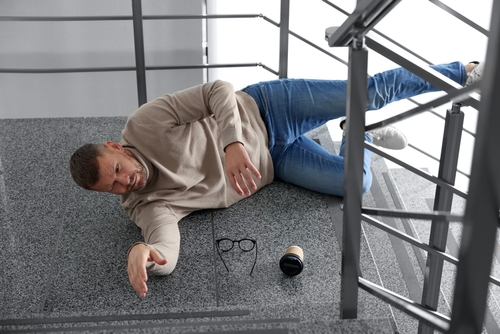
Understanding Your Rights Under Florida’s New Premises Liability Laws
Florida Statute 95.11 now states that negligence actions, including premises liability claims, must be filed "WITHIN TWO YEARS." This represents a 50% reduction from the previous four-year statute of limitations. For anyone injured on another’s property, this compressed timeline demands immediate attention. A premise liability attorney in Florida can help you understand when your clock started and what steps protect your claim.
The 2023 reforms introduced another critical change. Under new comparative fault rules, if you’re found more than 50% at fault for your injuries, you cannot recover any damages. Property owners and insurers will work harder to shift blame onto you, arguing you weren’t watching where you were going, ignored warnings, or your footwear contributed to your fall. Experienced legal representation becomes crucial to counter these tactics and prove the property owner’s negligence was the primary cause.
The Florida tort reform bill HB 837 also limited medical expense recovery in some cases, allowing evidence of 120% of the Medicare reimbursement rate for certain claimants and, if there is no applicable Medicare rate for a service, 170% of the applicable state Medicaid rate. Even if your actual medical bills are higher, your recovery might be limited. Understanding these limitations before accepting any settlement offer is essential.
💡 Pro Tip: Document everything immediately – take photos of the hazard, get witness contact information, and report the incident to the property owner in writing.
The Critical Timeline for Your Florida Premises Liability Case
Understanding the timeline has become crucial with Florida’s shortened statute of limitations. From the moment you’re injured, every day counts toward your two-year deadline. Working with a premise liability attorney in Florida early ensures you don’t miss critical deadlines while recovering.
- Day 1-7: Seek immediate medical attention and document all injuries
- Week 1-2: Report the incident in writing and request they preserve surveillance footage (often deleted after 30 days)
- Month 1-3: Gather evidence while fresh – conditions change, hazards get fixed, witnesses’ memories fade
- Month 3-6: Complete initial treatment and understand your injuries before considering settlement offers
- Month 6-18: If negotiations stall, seriously consider filing a lawsuit to protect your rights
- Month 18-24: Danger zone – courts are strict about the two-year deadline; filing one day late results in dismissal
The new rules "apply to causes of action accruing after March 24, 2023," meaning accidents after this date are bound by the two-year limit. There’s no grace period or extensions for being unaware of the law change.
💡 Pro Tip: Insurance companies know about the shortened deadline and may intentionally delay negotiations hoping you’ll run out of time.
Getting the Compensation You Deserve with Help from a Skilled Premise Liability Attorney in Florida
When facing a premises liability claim under Florida’s new two-year deadline, the right legal representation makes all the difference. Attorney Big Al at 1-800-HURT-123 understands the urgency these laws create and works quickly to preserve evidence, document injuries, and build strong cases before time runs out.
Success in today’s legal environment requires acting fast while being thorough. This means immediately investigating the accident scene, identifying all liable parties, and understanding how comparative fault rules might affect your case. Property owners and insurers know injured victims have less time to act and may use delay tactics. That’s why it’s essential to consult a lawyer who can push your case forward aggressively while meeting all legal requirements.
Florida premises liability claims have become more complex with the 2023 reforms, but victims still have strong rights when property owners fail to maintain safe conditions. Whether you’ve been injured due to wet floors, broken stairs, inadequate lighting, or negligent security, you deserve compensation for medical bills, lost wages, and pain and suffering.
💡 Pro Tip: Many attorneys offer free consultations for premises liability cases – take advantage of this to understand your rights without financial commitment.
Common Types of Premises Liability Cases Affected by the New Two-Year Deadline
Certain accident types occur most frequently and require immediate attention. Slip and fall accidents remain most common, often in grocery stores, restaurants, and malls where spills, wet floors, or uneven surfaces create hazards. These cases require quick action to document conditions because stores often clean up or repair hazards immediately. A premise liability attorney in Florida knows to act fast to preserve critical evidence before it disappears.
Trip and fall accidents involve different hazards like broken sidewalks, potholes in parking lots, or torn carpeting. These cases can be particularly strong when the property owner knew about the dangerous condition but failed to fix it or warn visitors. However, under new comparative fault rules, property owners will argue you should have seen and avoided the hazard, making immediate documentation and witness statements crucial.
Negligent Security Cases Need Swift Action
Negligent security cases, where inadequate safety measures lead to assaults or robberies, are increasingly common in Florida’s urban areas. These are particularly time-sensitive because security footage is often deleted within 30-60 days, and witnesses may be difficult to locate later. Property owners have a duty to provide reasonable security based on area crime history, but proving this requires thorough investigation. With only two years to file, victims need to start building their case immediately.
💡 Pro Tip: In negligent security cases, request police reports and crime statistics for the property immediately – this data proves the owner knew about security risks.
How Florida’s 50% Comparative Fault Rule Changes Your Case Strategy
The new rule stating that any party "found to be greater than 50% at fault for his or her own harm may not recover any damages" fundamentally changes how premises liability cases are approached. If a jury finds you even 51% responsible, you receive nothing – not even compensation for the 49% that was the property owner’s fault. Insurance companies know this and will aggressively investigate every aspect of your accident, scrutinizing what you were wearing, whether you were distracted, if you’d been drinking, or if you ignored warnings.
This makes building a strong liability case from the start critical. Florida Statute 95.11 gives you only two years to conduct investigations, interview witnesses, review surveillance footage, and possibly hire experts to testify about safety standards. All of this takes time, now in much shorter supply.
Fighting Back Against Blame-Shifting Tactics
Property owners and insurers have become more aggressive since the new comparative fault rule took effect. They’ll argue your footwear was inappropriate, you were rushing or not paying attention, or any reasonable person would have avoided the hazard. Some hire investigators to check social media for evidence you were distracted or impaired. To counter these tactics, you need a premise liability attorney in Florida who understands defense strategies and knows how to build evidence showing the property owner’s negligence was the primary cause.
💡 Pro Tip: Avoid posting about your accident or injuries on social media – insurance companies regularly monitor these platforms and will use posts against you.
Frequently Asked Questions
Understanding Florida’s New Premises Liability Laws
The 2023 tort reforms have created many questions for injured Floridians. Here are answers to the most common concerns about pursuing premises liability claims under the new rules.
💡 Pro Tip: Keep a detailed journal of how your injuries affect your daily life – this personal account can be powerful evidence of pain and suffering damages.
Taking Action on Your Premises Liability Claim
These questions address the practical aspects of pursuing compensation under Florida’s new legal framework.
💡 Pro Tip: Always get medical attention immediately after an accident, even if you feel fine – some injuries don’t show symptoms until later, and delaying treatment can hurt your case.
1. How do I know if my premises liability case falls under the old four-year or new two-year deadline?
The key date is March 24, 2023. If your accident happened before this date, you likely still have four years to file. If it happened after March 24, 2023, you only have two years. The law states the new rules "apply to causes of action accruing after March 24, 2023," meaning the date of your accident determines which deadline applies. When in doubt, consult with a Florida premises liability attorney immediately.
2. What happens if I’m found to be partially at fault for my accident under Florida’s new comparative fault rules?
If you’re 50% or less at fault, you can still recover damages reduced by your percentage of fault. For example, if you’re 30% at fault and your damages are $100,000, you’d receive $70,000. However, if you’re 51% or more at fault, you cannot recover any damages. This makes it crucial to work with experienced premises liability legal help in Florida to minimize your assigned fault percentage.
3. Can I still pursue a premises liability claim if I didn’t report the accident immediately?
Yes, failing to report immediately doesn’t eliminate your right to compensation, but it makes your case more challenging. Insurance companies may argue the delay suggests your injuries weren’t serious or the accident didn’t happen as you claim. The sooner you report and document, the stronger your case. With only two years to file under Florida premises liability laws, every day counts.
4. How are my medical expenses calculated under the new Florida law?
The 2023 reforms potentially limit recoverable medical expenses by allowing evidence of 120% of the Medicare reimbursement rate for certain claimants and, when no Medicare rate applies for a service, 170% of the applicable state Medicaid rate in certain circumstances. Even if your actual bills are higher, your recovery might be capped. However, application of this rule is complex and depends on various factors including your health insurance coverage. A knowledgeable attorney can help you understand how these limitations might affect your specific case.
5. What should I do if the insurance company offers me a quick settlement?
Be cautious about accepting quick settlements without legal representation. Insurance companies know you only have two years to file a lawsuit and may offer lowball settlements hoping you’ll accept rather than risk missing the deadline. Initial offers rarely account for future medical expenses, lost wages, or fair pain and suffering compensation. Always consult with a premise liability attorney in Florida before accepting any settlement.
Work with a Trusted Premises Liability Lawyer
The 2023 changes to Florida’s premises liability laws have made experienced legal representation more important than ever. With shortened deadlines, stricter fault rules, and limited damage recovery, navigating a premises liability claim has become increasingly complex. The right attorney will understand these new laws and know how to build a strong case that maximizes your compensation while meeting all legal requirements within the compressed timeframe.
Time is now your enemy in premises liability cases. Every day that passes is one day closer to the two-year deadline, and evidence can disappear, witnesses can forget details, and your injuries may heal, making them harder to document. By working with Attorney Big Al at 1-800-HURT-123, you can ensure your case moves forward efficiently while you focus on recovery. Don’t let the new laws prevent you from getting the compensation you deserve – take action today to protect your rights.
Don’t let time slip away with Florida’s new premises claim deadlines. Fast action is crucial, so reach out to Attorney Big Al at 1-800-HURT-123 to navigate these changes and secure your compensation. Call us at +1 888-897-2108 or contact us today to protect your rights.