
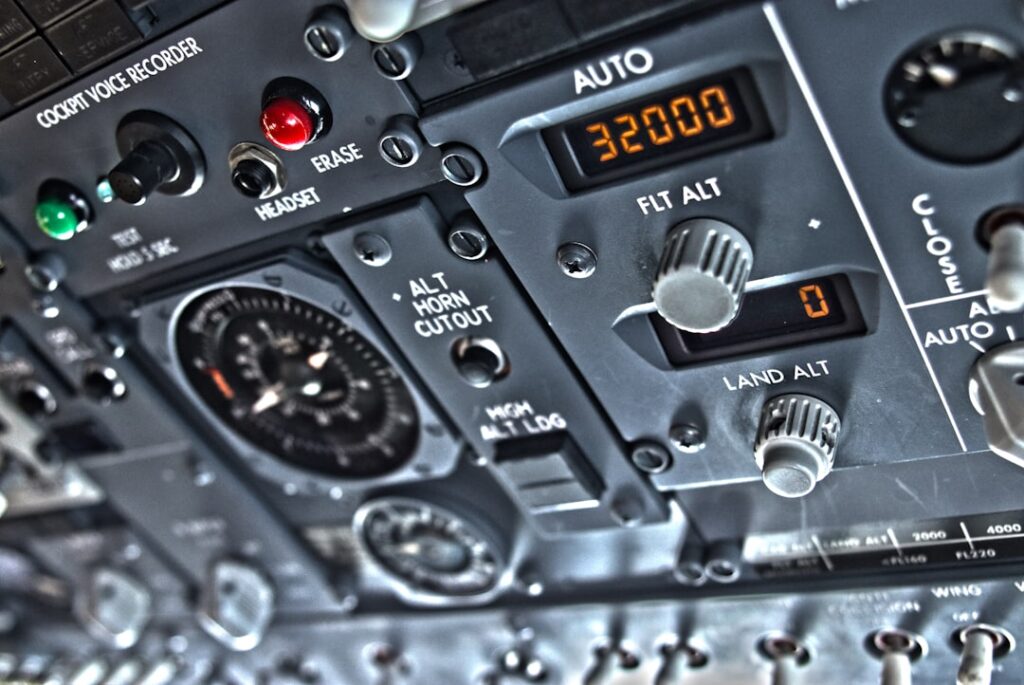
Florida aviation accident lawyer: Top 3 Essential Steps 2025
Why Aviation Accidents in Florida Require Specialized Legal Help
A Florida aviation accident lawyer is essential when aircraft incidents cause serious injuries or deaths, as these cases involve complex federal regulations and multiple potentially liable parties. Whether dealing with commercial airline crashes, private plane accidents, or helicopter incidents, victims need attorneys who understand both aviation law and Florida’s unique legal landscape.
Quick Answer for Florida Aviation Accident Victims:
– Who to call: Board-certified aviation lawyers with pilot experience
– When to call: Immediately after medical treatment (within 2 years for most claims)
– What they handle: Commercial crashes, private plane accidents, helicopter incidents
– Cost: Most work on contingency fees (no win, no fee)
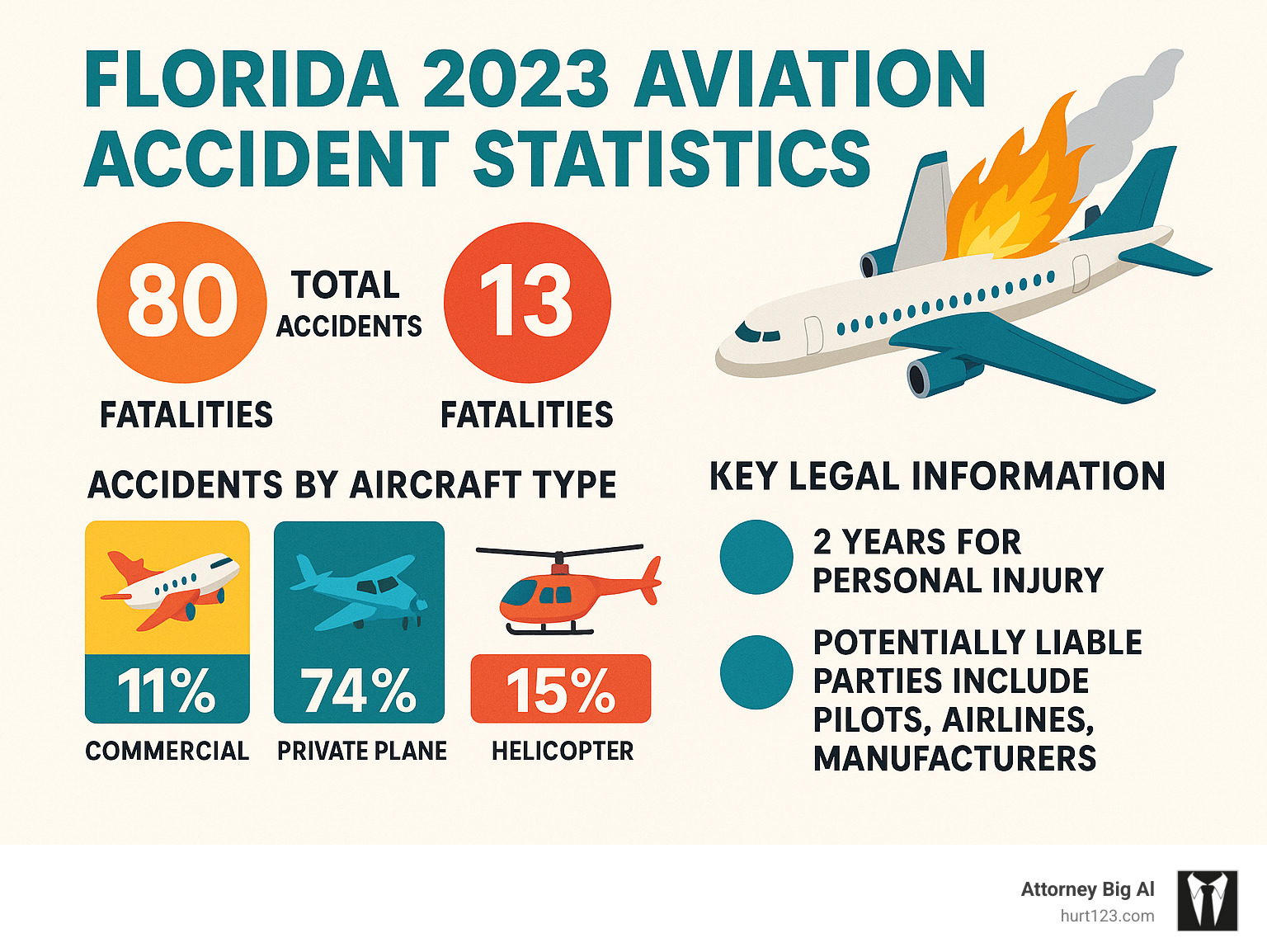
– Key deadlines: 2 years for personal injury, 3 years for government claims
Aviation accidents are unfortunately common in Florida. In 2023, the state recorded 80 aviation accidents with 13 fatalities. Florida ranks second only to California in the number of FAA-certified pilots, making it a hub for both commercial and private aviation activity.
When flights go wrong, victims face unique challenges. Unlike car accidents, aviation cases involve:
- Federal agencies like the NTSB and FAA
- Complex insurance policies worth millions
- International treaties for overseas flights
- Multiple defendants (pilots, airlines, manufacturers, air traffic control)
The average wrongful death compensation in U.S. aviation accidents is $5.2 million, but securing fair payment requires navigating federal regulations, technical evidence, and well-funded corporate defense teams.
As one aviation attorney notes: “Aviation accidents are undoubtedly the most dangerous type of transportation accidents.” The stakes are high, and the legal process is complex.
Florida aviation accident lawyer further reading:
– Florida brain injury attorney
– Hollywood wrongful death lawyer
– Florida defective product attorney
Immediate Steps After a Plane Crash in Fort Lauderdale
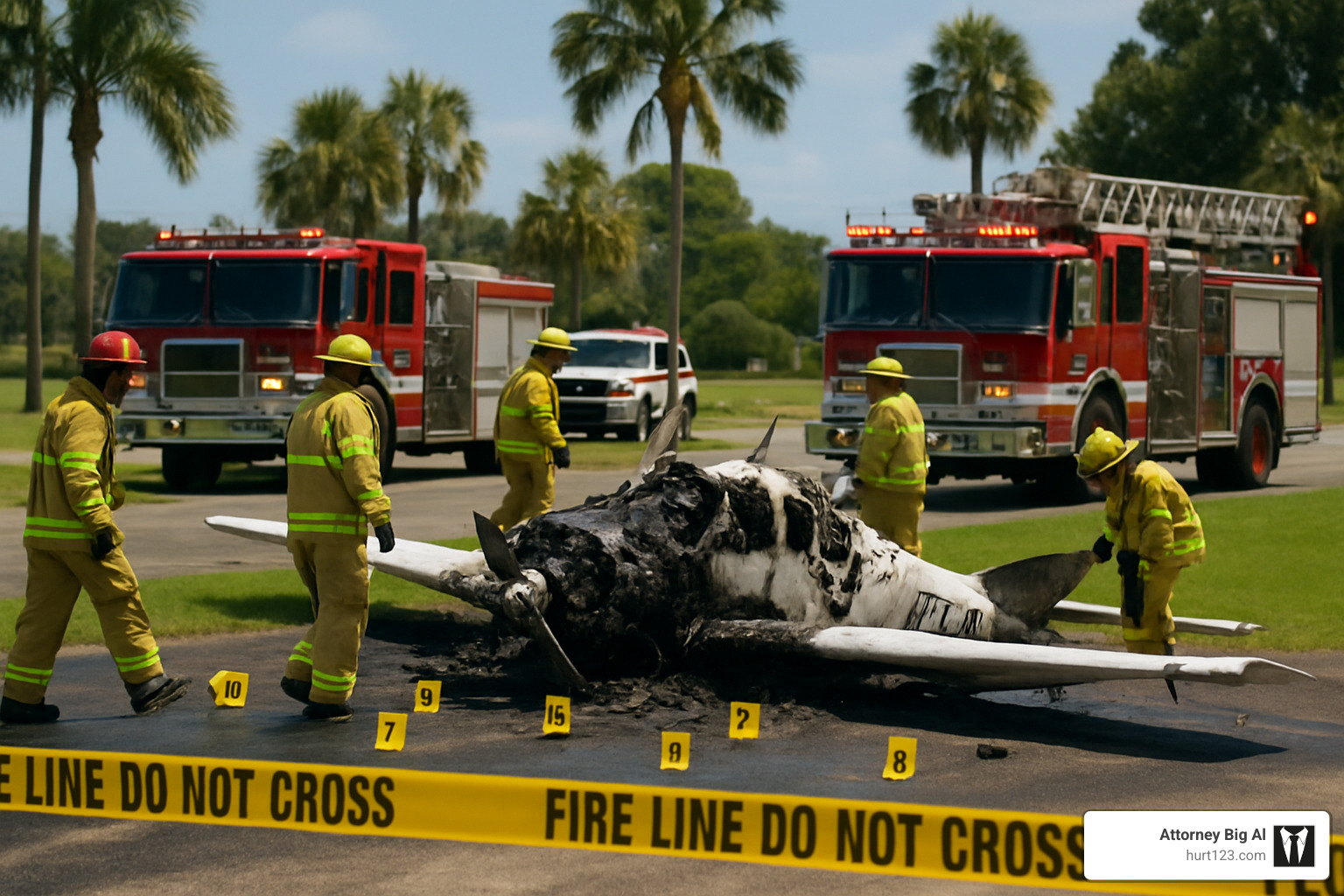
When an aviation accident happens in Fort Lauderdale, every minute counts. The chaos and shock can be overwhelming, but taking the right steps immediately after a crash can save lives and protect your legal rights. Unlike car accidents, plane crashes involve federal investigators and specialized evidence that can vanish quickly.
Your actions in those first crucial hours will impact both your recovery and any future legal case. Here’s what you need to know to protect yourself and your family.
Call 911, Then Secure Evidence
Get medical help first. Even if you feel fine, call 911 immediately. Aviation accidents create forces that can cause internal injuries you won’t feel right away. Adrenaline masks pain, and what seems like a minor bump could be a serious brain injury.
Once paramedics are caring for the injured, turn your attention to evidence. This isn’t the time to be shy with your phone camera.
Take photos of everything. Snap pictures of the aircraft wreckage, the crash scene, weather conditions, and any visible mechanical problems. These photos become invaluable later because crash sites get cleaned up fast. Airport authorities want runways clear, and evidence disappears.
Find the black boxes if you can see them, but don’t touch them. Flight data recorders capture the aircraft’s final moments, recording everything from altitude to engine performance. Note where they are, but leave them for trained investigators. Tampering with these devices can hurt your case.
Talk to witnesses while their memories are fresh. Get contact information from other passengers, people on the ground, and anyone who saw what happened. Their stories often reveal crucial details about pilot error or mechanical failures that official reports might miss.
Save your paperwork. Keep your boarding pass, ticket, and any flight documents. For private aircraft accidents, try to document the flight manifest and any maintenance records you can access legally.
A Florida aviation accident lawyer will tell you that evidence collected in those first hours often makes or breaks a case. The NTSB might not arrive for hours, and smaller accidents sometimes get minimal federal attention.
Notify Federal & State Authorities
Aviation accidents aren’t just local emergencies – they’re federal matters that require notification to multiple agencies beyond Fort Lauderdale’s emergency services.
The Federal Aviation Administration needs to know about every aviation accident. They maintain databases and conduct preliminary investigations that become part of the official record. Their involvement helps establish that this was indeed an aviation incident under federal jurisdiction.
The National Transportation Safety Board investigates serious transportation accidents and issues safety recommendations. Their reports often become crucial evidence in civil lawsuits, though they investigate for safety purposes, not to determine who’s legally responsible.
Local law enforcement from Fort Lauderdale police or Broward County Sheriff’s Office will respond to crashes in their area. They create incident reports that document the scene and witness statements, forming another piece of the legal puzzle.
Here’s something important to remember: these agencies investigate to prevent future accidents, not to help you win a lawsuit. Their findings can support your case, but you’ll need independent investigation by qualified legal professionals who understand aviation law.
That’s where having a dedicated Florida aviation accident lawyer becomes essential. While federal investigators focus on safety, your attorney focuses on getting you the compensation you deserve. The sooner you contact our practice areas team, the sooner we can begin protecting your rights while the evidence is still fresh.
Why You Need a Florida Aviation Accident Lawyer in Hollywood
When an aircraft goes down in South Florida, the aftermath can feel overwhelming. Between dealing with injuries, insurance companies, and federal investigators, you need someone in your corner who truly understands aviation law. That’s where a Florida aviation accident lawyer becomes absolutely essential.
Aviation accidents aren’t like typical car accident cases. These cases involve a maze of federal regulations, international treaties, and technical evidence that would make even experienced attorneys scratch their heads. The opposing side often includes well-funded airlines, aircraft manufacturers, and insurance companies with teams of lawyers ready to minimize your compensation.
Florida’s comparative fault system adds another layer of complexity. Even if the pilot made a critical error, defendants might try to shift blame to air traffic control, maintenance crews, or even passengers. A skilled attorney knows how to counter these tactics and protect your rights.
Choosing the Right Florida Aviation Accident Lawyer
Finding the right attorney can make or break your case. Not every personal injury lawyer has what it takes to handle aviation accidents effectively. You need someone who speaks the language of aviation and understands how planes actually work.
Board certification sets the best attorneys apart from the rest. Less than 5% of Florida lawyers earn board certification, and fewer than 45 statewide are certified in Aviation Law. This certification isn’t just a fancy title – it requires extensive aviation law practice, peer recommendations, and passing a comprehensive exam covering federal regulations and international treaties.
Pilot experience gives attorneys a huge advantage. Some of the most effective aviation lawyers are also licensed pilots themselves. They understand flight operations, maintenance requirements, and industry standards in ways that ground-based attorneys simply can’t match. When they review flight data or maintenance logs, they spot issues that others might miss entirely.
Trial experience becomes crucial when facing major corporations. Aviation cases often go up against airlines, manufacturers, and insurance companies with unlimited legal budgets. Your attorney needs proven courtroom skills and the financial resources to take on these giants without backing down.
Independent investigation resources can uncover evidence that official investigations miss. NTSB investigations take 12-18 months and focus on safety, not legal liability. Top aviation attorneys conduct their own investigations using aviation engineers, accident reconstruction specialists, and industry consultants who dig deeper into the technical details.
Fee Structures & Deadlines
Most reputable aviation attorneys work on contingency fees, which means you don’t pay attorney fees unless they win your case. This arrangement levels the playing field, allowing accident victims to pursue justice without worrying about upfront legal costs. Given the complexity and expense of aviation litigation, contingency agreements make these cases accessible to everyone.
Time limits in aviation cases are strict and unforgiving. Florida’s two-year statute of limitations applies to most personal injury claims from the accident date. Miss this deadline, and your case disappears forever, regardless of how strong it might be.
Government claims involving air traffic control negligence have a three-year deadline, but you must provide 180-day notice before filing suit. This notice requirement catches many people off guard and can derail otherwise valid claims.
International flights fall under the Montreal Convention, which requires filing within two years with no extensions allowed. These treaty deadlines are even stricter than state law requirements.

The clock starts ticking immediately after an accident. Waiting too long to consult with a qualified Florida aviation accident lawyer can permanently destroy your chances of recovery, no matter how compelling your case might be.
Investigating Miami Aviation Accidents: Agencies and Evidence
When an aviation accident occurs in Miami or anywhere in Florida, multiple agencies spring into action to investigate what went wrong. Understanding how these investigations work – and what evidence they collect – is crucial for protecting your legal rights and building a strong case.
Unlike car accidents where local police handle everything, aviation accidents involve a complex web of federal agencies, technical specialists, and international organizations. Each has different goals, and their findings can dramatically impact your legal case.
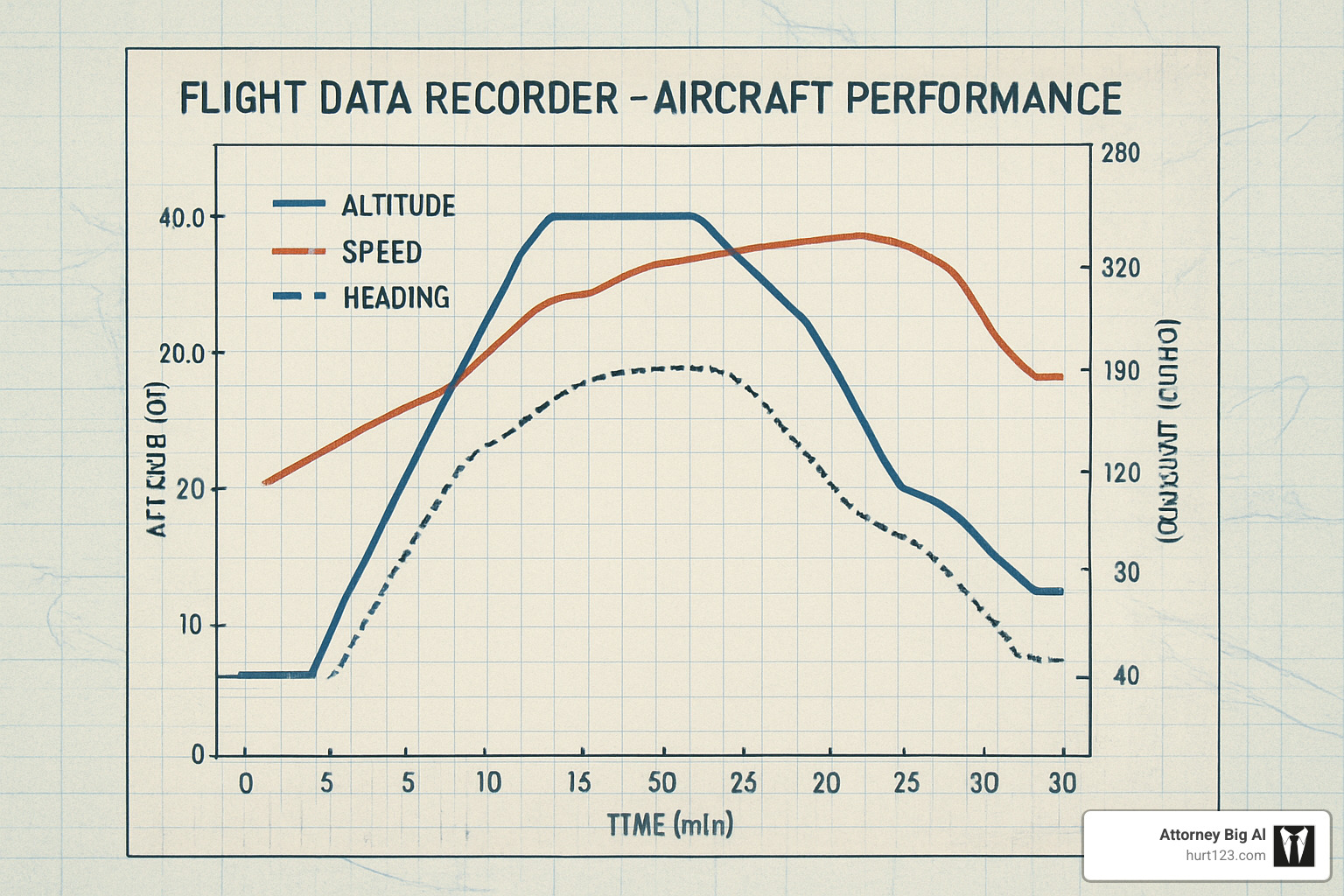
The evidence collected during these investigations tells the story of what happened in those critical moments before impact. Flight data recorders capture hundreds of parameters including speed, altitude, and control inputs. Air traffic control recordings preserve every radio communication between pilots and controllers. Weather reports document conditions at the time of the accident.
But here’s what many accident victims don’t realize: maintaining the chain of custody for this evidence requires immediate legal action. A qualified Florida aviation accident lawyer knows how to preserve evidence before it disappears and how to work with expert witnesses who can interpret complex technical data.
Federal & International Oversight
The Federal Aviation Administration acts as both regulator and investigator in aviation accidents. They’re responsible for ensuring airlines and pilots follow safety rules, and when accidents happen, they examine whether anyone violated federal regulations.
Think of the FAA as the rule-makers and rule-enforcers. When they find that an airline skipped required maintenance or a pilot ignored weather minimums, those violations become powerful evidence in your legal case.
The National Transportation Safety Board takes the lead role in accident investigation. They’re the ones you see on TV examining wreckage and interviewing witnesses. The NTSB digs deep into every aspect of an accident – from pilot training records to aircraft maintenance history.
However, there’s an important legal quirk here. While the NTSB’s factual findings can be used in court, their “probable cause” determinations cannot. This means your attorney needs to build independent liability theories based on the facts, not just wait for the NTSB to assign blame.
For flights crossing international borders, the International Civil Aviation Organization sets global standards. These cases often involve the Montreal Convention, an international treaty that creates strict liability for airlines up to about $132,600 per passenger. Above that amount, you must prove the airline was negligent.
The Montreal Convention also gives you choices about where to file your lawsuit – sometimes in multiple countries. A skilled attorney can help you choose the jurisdiction most favorable to your case.
Building Liability Theories with a Florida aviation accident lawyer
Proving someone caused your aviation accident requires more than just showing something went wrong. You need to demonstrate that specific people or companies acted negligently or that defective products contributed to the crash.
Pilot error accounts for about 53% of fatal aircraft accidents. This doesn’t just mean the pilot made a mistake – it means they failed to meet the standard of care expected from a reasonable pilot in similar circumstances. Poor weather decisions, inadequate pre-flight planning, or failure to follow established procedures can all constitute pilot negligence.
Mechanical defects create a different type of liability. Aircraft manufacturers face strict liability, meaning you don’t have to prove they were careless – just that their product was defective and caused the accident. About 21% of aviation accidents involve mechanical failures, from engine problems to faulty flight controls.
Air traffic control negligence is trickier because it involves suing the federal government. Controllers manage incredibly complex airspace while juggling weather, traffic, and safety concerns. When they give improper clearances or fail to warn pilots of hazards, the government can be held liable under the Federal Tort Claims Act.
Maintenance failures can involve multiple parties – airlines, independent maintenance companies, or aircraft owners. The aviation industry has strict maintenance requirements, and failing to follow manufacturer specifications or FAA regulations can create liability.
The key to winning aviation cases is identifying every potentially liable party and building comprehensive cases against each one. This requires understanding complex federal regulations, having access to aviation industry contacts, and possessing the financial resources to challenge well-funded corporate defendants.
At Attorney Big Al, we have the resources and determination to take on major airlines, aircraft manufacturers, and government agencies. We conduct independent investigations using aviation engineers and accident reconstruction specialists, ensuring no stone is left unturned in building your case.
Calculating Compensation After a Boca Raton Air Disaster
When aviation disasters strike, the financial impact extends far beyond immediate medical bills. Families dealing with catastrophic injuries or wrongful deaths face a lifetime of changed circumstances. The average wrongful death compensation in U.S. aviation accidents reaches $5.2 million, but every case tells a different story.
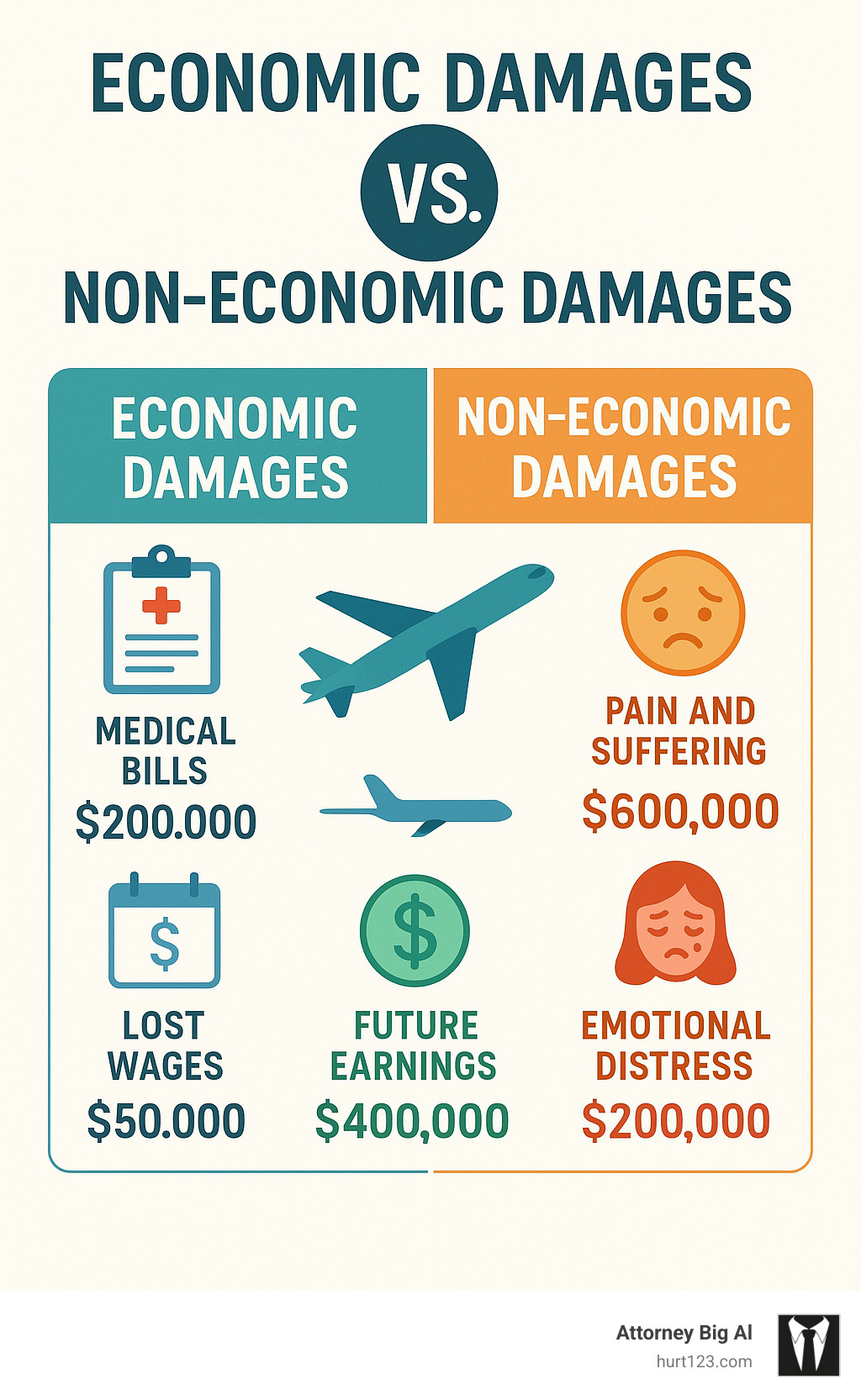
Understanding compensation in aviation cases means looking at two main categories. Economic damages cover the tangible financial losses – medical bills, lost wages, and future earnings that will never be earned. Non-economic damages address the human side – pain and suffering, emotional trauma, and the devastating loss of companionship that families endure.
Aviation accidents often result in catastrophic injuries that require decades of medical care. Unlike a typical car accident where someone might recover in months, aviation victims frequently face permanent disabilities requiring specialized equipment, home modifications, and round-the-clock care. These long-term needs drive compensation amounts much higher than other personal injury cases.
Wrongful death cases bring their own heartbreak and complexity. When someone dies in an aviation accident, their family loses not just their loved one, but also years of financial support, guidance, and companionship. Florida law recognizes these losses and allows families to seek compensation for both the economic and emotional devastation.
Factors That Influence Settlement Value
Every aviation accident victim’s situation is unique, but certain factors consistently influence how much compensation courts and insurance companies consider fair.
Age plays a crucial role in determining awards. A 35-year-old professional has potentially 30 more working years ahead, while someone nearing retirement has fewer years of lost earnings. This doesn’t make older victims’ lives less valuable, but it affects the economic calculation of lost future income.
Occupation and earning capacity significantly impact settlement values. When a surgeon earning $500,000 annually suffers career-ending injuries, the economic loss differs dramatically from someone earning $50,000. However, every victim deserves full compensation regardless of their income level.
The severity of injuries determines both immediate and long-term costs. Brain injuries requiring lifetime care command higher compensation than injuries allowing eventual recovery. Aviation accidents unfortunately often cause the most severe types of injuries due to the forces involved.
Family circumstances matter deeply in wrongful death cases. A parent supporting young children typically receives higher awards than someone without dependents. The law recognizes that families lose not just income, but guidance, care, and emotional support that can’t be replaced.
Insurance coverage in aviation cases often reaches much higher limits than typical auto policies. Commercial airlines carry insurance policies worth $100 million or more, while private aircraft policies vary widely. A qualified Florida aviation accident lawyer knows how to identify all available coverage sources.
Working With Experts to Prove Future Losses
Calculating fair compensation requires looking decades into the future, which means working with specialists who can paint a clear picture of what victims and families have truly lost.
Vocational rehabilitation specialists help courts understand how injuries change someone’s ability to work. They evaluate whether victims can return to their previous careers, need retraining, or face permanent disability. Their analysis forms the foundation for lost earning capacity claims.
Life care planners become essential when dealing with catastrophic injuries. These professionals create detailed roadmaps of lifetime medical needs, from surgeries and medications to wheelchairs and home modifications. Their reports often run hundreds of pages and document costs reaching millions of dollars.
Economic specialists take the medical and vocational findings and translate them into present-day dollar amounts. They account for inflation, calculate present value of future losses, and help juries understand the true financial impact of aviation accidents.
Aviation cases also involve unique damage categories that don’t exist in typical personal injury claims. Pre-impact terror allows recovery in some cases for the conscious fear passengers experienced knowing they were about to crash. Loss of consortium compensates spouses for the loss of companionship and marital relationship. Punitive damages can multiply awards when defendants acted with gross negligence or willful disregard for safety.
At Attorney Big Al, we understand that no amount of money can truly compensate for the losses aviation accident victims endure. However, fair compensation provides the financial security families need to move forward and ensures that negligent parties are held accountable. We work with nationally recognized specialists who regularly testify in aviation cases, building comprehensive presentations that maximize recovery while treating every client with the compassion they deserve during incredibly difficult times.
Navigating Government & International Claims From Sunrise Flights
When aviation accidents involve government agencies or international flights, the legal landscape becomes significantly more complex. These cases require understanding federal procedures and international treaties that most personal injury attorneys rarely encounter. A qualified Florida aviation accident lawyer can help you steer these challenging waters.
Suing Under the FTCA After Air Traffic Control Negligence
Air traffic controllers manage thousands of flights daily, making split-second decisions that affect passenger safety. When their mistakes contribute to aviation accidents, victims can sue the federal government, but the process is far from straightforward.
The Federal Tort Claims Act (FTCA) allows lawsuits against the government, but it comes with strict rules that can trap unwary victims. Unlike regular personal injury cases, you can’t simply file a lawsuit in court. Instead, you must first submit an administrative claim to the appropriate federal agency.
This administrative claim isn’t just a simple form. It must include detailed information about the accident, your injuries, medical treatment, and the specific damages you’re seeking. Think of it as building your entire case before you’re even allowed to file suit.
Once submitted, the government has six months to respond. They can approve your claim (rare), deny it outright, or simply ignore it. If they ignore your claim for six months, the law treats it as denied, and you can then file a lawsuit in federal court.
The government enjoys sovereign immunity, meaning they’re generally protected from lawsuits. The FTCA creates exceptions for negligent acts by federal employees acting within their job duties. However, the government isn’t liable for policy decisions or discretionary functions – only operational negligence.
Recent high-profile cases, like the Washington D.C. mid-air collision, highlight how air traffic control procedures come under intense scrutiny after accidents. These cases require attorneys who understand both aviation operations and federal litigation procedures.
International Routes & The Montreal Convention
International aviation accidents fall under a completely different legal framework than domestic flights. The Montreal Convention governs these cases, creating unique rules that can either help or hurt victims depending on the circumstances.
The good news is that airlines face strict liability for passenger injuries up to approximately 100,000 Special Drawing Rights (about $132,600). This means you don’t need to prove the airline was negligent to recover this amount – the accident itself is enough.
For damages above this threshold, passengers can recover unlimited compensation, but they must prove airline negligence or defective aircraft. This is where having a skilled Florida aviation accident lawyer becomes crucial, as airlines will fight vigorously to avoid higher payouts.
The Montreal Convention gives victims flexibility in choosing where to file their lawsuit. You can sue in your home country, the airline’s home country, the destination country, or anywhere the airline regularly does business. This choice can significantly impact your case’s value and complexity.
However, the Convention’s two-year deadline is absolute. Unlike some domestic cases where deadlines might be extended, international aviation claims must be filed within two years of the accident with no exceptions.
Airlines can defend against higher damages by proving they weren’t negligent or that third parties caused the accident. They often have teams of international lawyers working to minimize their liability.
These cases frequently involve complex choice-of-law issues and international litigation procedures. We’ve successfully handled international aviation cases involving crashes in multiple countries, working with foreign counsel when necessary to protect our clients’ rights.
The key difference between government and international claims versus typical vehicle accident cases is the specialized procedures and unforgiving deadlines. Missing even minor procedural requirements can permanently destroy otherwise valid claims worth millions of dollars.
At Attorney Big Al, we understand these complex federal and international procedures. We’ve successfully steerd FTCA claims against the government and international cases under the Montreal Convention, securing substantial recoveries for clients who thought their cases were hopeless.
Frequently Asked Questions about Florida Aviation Crashes
What is the statute of limitations for a Florida aviation accident?
Time limits for aviation accident claims can be confusing because they depend on who caused the crash and where it happened. Missing these deadlines means losing your right to compensation forever, so understanding them is crucial.
For personal injury claims against private parties like airlines or aircraft manufacturers, you have two years from the accident date to file your lawsuit. This is Florida’s standard personal injury deadline, but aviation cases often take longer to investigate than typical accidents.
Government claims have different rules entirely. If air traffic control negligence contributed to your accident, you have three years to sue under the Federal Tort Claims Act. However, you must provide 180-day written notice to the government before filing your lawsuit – something many people don’t know.
International flights follow the Montreal Convention, which gives you exactly two years with no extensions possible. This deadline applies regardless of where you live or where the case is filed.
Wrongful death cases typically follow the two-year Florida deadline, but federal aviation law can sometimes override state deadlines. The complexity is exactly why you need a Florida aviation accident lawyer who understands these overlapping time limits.
Who can be held liable besides the pilot?
Aviation accidents rarely involve just one responsible party. Unlike car crashes where you might sue one driver, plane crashes often create liability for multiple companies and individuals – which actually works in your favor by providing more sources of compensation.
Airlines face the highest legal duties as common carriers. They must use extraordinary care to protect passengers and can be liable even when pilots make errors. Airlines also have substantial insurance coverage, often $100 million or more per accident.
Aircraft manufacturers face strict liability for design or manufacturing defects. If a part fails and causes a crash, the manufacturer must pay damages even if they weren’t negligent. These cases can result in the largest settlements because major manufacturers have deep pockets.
Maintenance companies must follow strict FAA regulations when servicing aircraft. Improper maintenance, missed inspections, or using wrong parts can create liability for specialized aviation maintenance firms.
Air traffic controllers work for the federal government, creating potential claims under the Federal Tort Claims Act. Controller errors in busy airspace like Miami International can contribute to serious accidents.
Fixed base operators provide airport services like fueling, hangar storage, and ground support. Contaminated fuel or improper loading can cause crashes that make these companies liable.
The key is having a Florida aviation accident lawyer who knows how to investigate all potential defendants and maximize your total compensation.
How much does it cost to hire a Florida aviation accident lawyer?
The good news is that cost shouldn’t prevent you from getting quality legal representation after an aviation accident. At Attorney Big Al, we handle all aviation cases on contingency fees, meaning you pay nothing unless we win your case.
Contingency fees typically range from 33% to 40% of any settlement or verdict. This percentage might seem high, but consider that aviation cases require substantial upfront investments in investigation, technical consultants, and specialized witnesses that can easily cost $100,000 or more.
We also advance all case expenses including expert witness fees, accident reconstruction costs, medical record retrieval, and court filing fees. These expenses can be substantial in aviation cases, but you don’t pay them back unless we recover compensation for you.
This arrangement levels the playing field against well-funded defendants like major airlines and aircraft manufacturers who have teams of lawyers. You get the same quality representation regardless of your financial situation.
Free consultations let you understand your case value and legal options without any financial commitment. We’ll review your accident circumstances, explain applicable deadlines, and give you honest advice about whether you have a strong case.
The contingency fee system means your interests align perfectly with your attorney’s – we only get paid when you do, so we’re motivated to maximize your recovery while minimizing the time and stress of litigation.
Conclusion
When flights go wrong in Florida, you need more than just any personal injury attorney. Aviation accidents involve a maze of federal regulations, international treaties, and technical evidence that most lawyers simply don’t understand. The stakes are too high and the deadlines too strict to trust your case to someone without specialized aviation law knowledge.
At Attorney Big Al, we’ve built our practice around helping aviation accident victims steer these complex cases. We have the financial resources to take on major airlines and insurance companies who will spend millions defending their interests. More importantly, we understand the technical aspects of aviation that can make or break your case.
Our commitment to you is simple: We’ll handle the legal complexity while you focus on healing and rebuilding your life.
We serve families throughout South Florida who’ve been affected by aviation accidents. Whether your incident happened in Fort Lauderdale, Hollywood, Miami, Boca Raton, or Sunrise, we’re here to help. Our dedicated, professional service means you’ll always know what’s happening with your case.
The reality about aviation cases is this: Evidence disappears quickly, witnesses move away, and critical deadlines approach faster than you might expect. The Florida aviation accident lawyer you choose today could determine whether your family receives fair compensation or nothing at all.
We work exclusively on contingency fees for aviation cases. This means you pay nothing unless we win your case. We advance all costs for investigation, technical specialists, and court proceedings. You shouldn’t have to worry about legal bills while dealing with serious injuries or the loss of a loved one.
Don’t wait to get help. Aviation cases have strict two-year deadlines that can’t be extended. The NTSB investigation might take over a year, but your legal case needs to start immediately to preserve evidence and protect your rights.
Contact our Personal Injury Attorney Hollywood office today for a free consultation. We’ll review your case, explain your options, and begin building the strongest possible claim for compensation.
When aviation accidents turn your world upside down, Attorney Big Al is here to help you get back on solid ground.
