
Yes, You Can Still Recover Damages in Florida Even at 40% Fault
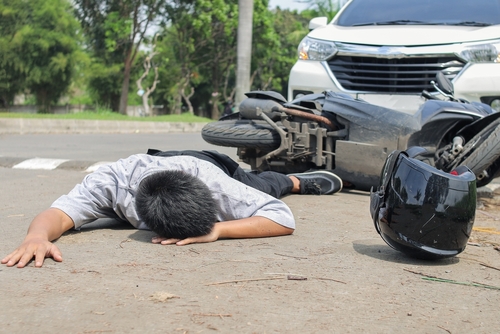
If you’ve been in a motorcycle accident and worry that your partial fault means you can’t recover anything, here’s good news: being 40% at fault does not prevent you from winning your case in Florida. Unlike some states that bar recovery if you share any fault, Florida follows a modified comparative fault system that allows injured motorcyclists to recover damages as long as they’re not more than 50% responsible for the accident. This means that even if you made a mistake that contributed to the crash, you can still receive compensation for your injuries – though the amount will be reduced by your percentage of fault.
???? Pro Tip: Document everything about your accident immediately, including road conditions, weather, and any factors that contributed to the other driver’s fault – this evidence becomes crucial when determining fault percentages.
Don’t let being partially at fault stop you from pursuing the compensation you deserve. Connect with Attorney Big Al at 1-800-HURT-123, who is ready to steer you through Florida’s fault laws with expertise and precision. Reach out today at 1-800-487-8123 or simply contact us and start your journey towards justice and recovery.

How Florida’s Modified Comparative Fault Law Protects Injured Riders
Under Florida Statute 768.81, the state’s comparative fault law specifically protects your right to recover damages even when you share some blame for the accident. The statute clearly states that "contributory fault chargeable to the claimant diminishes proportionately the amount awarded as economic and noneconomic damages for an injury attributable to the claimant’s contributory fault, but does not bar recovery" – as long as you’re not more than 50% at fault. This legal framework recognizes that accidents rarely involve just one party’s negligence and ensures that injured motorcyclists can still seek justice. When you work with a motorcycle accident attorney in Florida, they’ll focus on minimizing your assigned fault percentage while maximizing the other party’s responsibility.
The critical threshold in Florida is 50% fault. If you’re found to be exactly 50% at fault or less, you can recover damages reduced by your fault percentage. However, any party "found to be greater than 50 percent at fault for his or her own harm may not recover any damages." This bright-line rule makes the difference between recovering 60% of your damages at 40% fault versus recovering nothing at 51% fault – highlighting why accurate fault determination matters immensely in motorcycle accident injury claims.
???? Pro Tip: Keep a detailed journal of how your injuries affect your daily life, work, and activities – this documentation helps establish the full extent of your damages regardless of partial fault.
The Fault Determination Process: What to Expect in Your Case
Understanding how fault gets determined in Florida motorcycle cases helps you prepare for what lies ahead. The process involves multiple stages where evidence plays a crucial role in establishing each party’s degree of responsibility. Since motorcycle accidents often result in severe injuries – riders are 28 times more likely than car occupants to die in crashes per vehicle miles traveled – insurance companies frequently try to shift more blame onto riders to minimize payouts.
- Initial investigation phase: Police reports, witness statements, and accident scene evidence are collected within days of the crash
- Insurance company evaluation: Adjusters review evidence and make preliminary fault determinations, often within 30-45 days
- Discovery period in litigation: Both sides exchange evidence, take depositions, and may hire accident reconstruction experts over several months
- Expert analysis: Accident reconstructionists examine factors like speed, visibility, and road conditions to determine fault percentages
- Negotiation or trial: Final fault percentages are either agreed upon in settlement or decided by a jury using Florida’s model jury instructions
???? Pro Tip: Request your official crash report through Florida’s Crash Portal within 10 days of filing – having this documentation early helps your attorney build a stronger case for reduced fault.
Maximizing Your Recovery When You Share Fault: How a Motorcycle Accident Attorney in Florida Makes the Difference
When facing a fault dispute in your motorcycle case, the difference between being assigned 40% fault versus 51% fault can mean recovering substantial compensation or nothing at all. This is where the experience of Attorney Big Al at 1-800-487-8123 becomes invaluable. A seasoned motorcycle accident attorney in Florida understands how to present evidence that minimizes your fault percentage while highlighting the other driver’s negligence. They know which factors juries consider most important and how to counter common biases against motorcyclists.
The key to maximizing recovery lies in thorough preparation and strategic presentation of your case. Your attorney will gather evidence showing the other driver’s violations, such as failure to yield, distracted driving, or speeding. They’ll also address any allegations against you proactively, explaining how factors beyond your control contributed to the accident. For instance, if you’re accused of speeding but the other driver turned left in front of you, your lawyer will emphasize that the turning driver had the greater duty to ensure the intersection was clear before proceeding.
???? Pro Tip: Be completely honest with your attorney about any actions that might have contributed to the accident – they can better defend you when they know all the facts upfront.
Common Scenarios Where Riders Face Partial Fault Claims
Insurance companies often attempt to assign fault to motorcyclists using predictable arguments, even when the primary cause clearly rests with another driver. Understanding these common scenarios helps you and your motorcycle accident attorney in Florida prepare strong counterarguments. For example, insurers frequently claim riders were speeding based solely on the severity of injuries, ignoring that motorcyclists suffer more severe injuries than car occupants even at normal speeds due to less protection. According to the National Highway Traffic Safety Administration, motorcyclists are approximately 28 times more likely to die in traffic crashes than passenger vehicle occupants per vehicle mile traveled (based on 2023 data), highlighting the inherent vulnerability that exists regardless of fault.
Fighting Unfair Fault Assignments
One particularly frustrating scenario occurs when riders without DOT-compliant helmets face automatic fault assignments, despite helmet use being unrelated to fault for causing the accident itself. While 74% of riders wore DOT-compliant helmets in 2023, those who didn’t often face prejudice in fault determinations. Similarly, the fact that 34% of motorcycle operators in fatal crashes rode without valid licenses in 2023 leads to assumptions about all riders. Your attorney must separate these issues from actual crash causation to ensure you can successfully pursue your case under Florida Statute 768.81.
???? Pro Tip: Take photos of your motorcycle gear, including helmet, jacket, and any safety equipment – demonstrating your commitment to safety helps counter negative stereotypes during fault negotiations.
Calculating Damages When You’re Partially at Fault
Understanding how partial fault affects your compensation helps set realistic expectations for your case outcome. If you’re 40% at fault with $100,000 in total damages, you would receive $60,000 rather than the full amount. These calculations apply to both economic damages like medical bills and lost wages, and non-economic damages such as pain and suffering. The reduction happens proportionally across all damage categories, making it crucial to fully document every aspect of your losses when you consult a lawyer about your case.
Proving the Full Extent of Your Damages
Recent updates to Florida’s jury instructions, revised as of June 25, 2025, provide specific guidance on how juries should apportion fault and calculate damages. The model verdict forms now include detailed sections for assigning fault percentages to multiple parties, including non-parties who contributed to the accident. This comprehensive approach means your attorney must prove not only your reduced fault but also the full extent of your injuries and losses. Given that 41% of motorcycle riders who died in single-vehicle crashes in 2023 were alcohol-impaired, overcoming assumptions about rider behavior requires solid evidence and skilled legal representation.
???? Pro Tip: Keep all receipts related to your accident, including rideshare costs, medical equipment, and home modifications – these often-overlooked expenses add up significantly in your damage calculations.
Frequently Asked Questions
Understanding Fault and Recovery in Florida Motorcycle Cases
Many riders have questions about how partial fault affects their ability to recover damages after an accident. These answers address the most common concerns about Florida’s comparative fault system.
???? Pro Tip: Write down all your questions before meeting with an attorney – having a prepared list ensures you get all the information you need during your consultation.
Taking Action After Your Motorcycle Accident
Knowing what steps to take after your accident can significantly impact your case outcome, especially when fault percentages are disputed.
???? Pro Tip: Start building your case immediately by creating a detailed timeline of events while your memory is fresh – this contemporaneous record often proves more credible than later recollections.
1. Can I still sue if I was partially at fault for my motorcycle accident in Florida?
Yes, you can still sue and recover damages as long as you’re not more than 50% at fault. Florida’s modified comparative fault law allows recovery for anyone who is 50% or less at fault, though your damages will be reduced by your fault percentage.
2. How do insurance companies determine fault percentages in Florida motorcycle accidents?
Insurance companies examine police reports, witness statements, traffic citations, road conditions, and vehicle damage patterns. They often hire accident reconstruction experts for serious crashes. However, their determinations aren’t final – a motorcycle accident attorney in Florida can challenge these assessments with additional evidence.
3. What if I wasn’t wearing a helmet during my Florida motorcycle accident?
Not wearing a helmet doesn’t automatically make you at fault for causing the accident. While it might affect your injury-related damages if head injuries occurred, fault for the crash itself depends on driving behaviors and traffic law violations, not protective gear choices.
4. How long do I have to file a motorcycle accident lawsuit if I’m partially at fault in Florida?
You have two years from the accident date to file a negligence lawsuit in Florida. This deadline applies regardless of fault percentages. Missing this statute of limitations deadline means losing your right to recover any damages, even if you were only 1% at fault.
5. Should I admit any fault to the insurance company after my motorcycle accident?
Never admit fault or discuss fault percentages with insurance companies without legal representation. Even saying "I’m sorry" can be misinterpreted as an admission. Let your motorcycle accident attorney in Florida handle all fault-related discussions to protect your rights.
Work with a Trusted Motorcycle Accident Lawyer
Navigating Florida’s comparative fault laws while recovering from motorcycle accident injuries requires skilled legal guidance. The difference between professional representation and going it alone often determines whether you recover fair compensation or get assigned excessive fault that destroys your case. Attorney Big Al at 1-800-487-8123 understands the unique challenges motorcyclists face and knows how to present your case effectively to minimize fault assignments while maximizing recovery. Don’t let concerns about partial fault prevent you from seeking the compensation you deserve – Florida law protects your right to recover damages even when you share some responsibility for the accident.
Seize the opportunity to pursue your rightful compensation, even if you bear some fault. Let Attorney Big Al at 1-800-HURT-123 guide you through Florida’s legal maze. Reach out today at 1-800-487-8123 or simply contact us and take the first step towards securing your future.
