

Your First Steps After a Florida Car Accident Can Make or Break Your Case
A car accident in Florida can turn your life upside down in seconds. The decisions you make in the minutes, hours, and days after a crash directly shape your ability to recover fair compensation. Florida’s no-fault insurance system, strict reporting deadlines, and comparative fault rules create a complex legal landscape. This guide walks you through the critical steps to protect your health, preserve evidence, and strengthen your car accident claim in Florida.
If you or a loved one was recently hurt in a crash, Attorney Big Al is ready to help you understand your rights and pursue the compensation you deserve. Call 1-800-487-8123 or reach out online today for a consultation.
What to Do at the Scene of a Florida Car Crash
Florida law imposes serious obligations on every driver involved in an accident that causes injury. Under Florida Statute § 316.027(2)(a), the driver of a vehicle involved in a crash resulting in injury must immediately stop at the scene and remain until fulfilling the requirements of Section 316.062, which include providing information and rendering reasonable aid. This duty applies to crashes on public or private property alike.
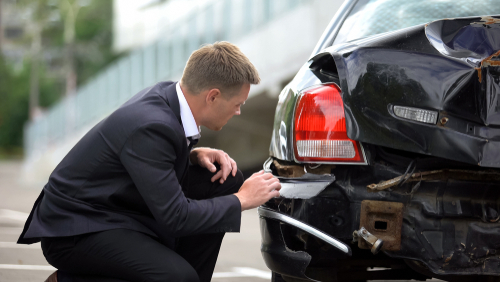
Once you have stopped and ensured everyone’s immediate safety, begin gathering evidence. Photograph vehicle positions, visible damage, debris, skid marks, traffic signs, signals, weather, and lighting conditions. These images support the crash narrative and become powerful tools if liability is disputed. Exchange contact and insurance information with the other driver, but avoid making statements that could be interpreted as admitting fault.
💡 Pro Tip: Use your phone’s timestamp feature when taking photos at the scene. Time-stamped images carry more weight with insurers and in court than undated pictures.
Why Leaving the Scene Carries Severe Criminal Penalties
Fleeing an injury crash is not just a traffic violation; it is a felony in Florida. Under FL Stat § 316.027(2)(a)-(c), leaving the scene of a crash involving injury is a third-degree felony. If the crash caused serious bodily injury, the charge rises to a second-degree felony. When a crash results in death, the driver faces a first-degree felony carrying a mandatory minimum of four years in prison and up to 30 years.
Seeking Medical Attention: The 14-Day Rule You Cannot Ignore
Even if you feel fine immediately after a collision, seek medical evaluation as soon as possible. Serious conditions including internal bleeding, soft tissue injuries, and traumatic brain injuries may not produce noticeable symptoms for hours or days. Insurance companies question any treatment gaps, making consistent medical history critical.
Florida’s Personal Injury Protection (PIP) statute creates a hard deadline that catches many accident victims off guard. Under Florida Statute § 627.736(1)(a), you must seek initial medical treatment within 14 days of the motor vehicle accident for any PIP benefits to be available. Missing this window forfeits your PIP coverage entirely, regardless of injury severity.
💡 Pro Tip: Even a visit to an urgent care clinic or emergency room within the first few days satisfies the 14-day requirement. Do not wait to see if symptoms develop.
How Florida’s No-Fault Insurance System Affects Your Car Accident Claim
Florida is a no-fault state, which means your own insurance pays for your initial medical expenses regardless of who caused the crash. Florida Statute § 627.736 requires every vehicle owner to carry a minimum of $10,000 in Personal Injury Protection (PIP) and $10,000 in Property Damage Liability (PDL) coverage. PIP reimburses 80% of reasonable medical expenses and 60% of lost wages, up to the policy limit.
The amount of PIP benefits available depends on your medical diagnosis. If a physician determines you have an emergency medical condition (EMC), you can access the full $10,000 in PIP benefits. Without an EMC diagnosis, your benefits are capped at just $2,500.
Who PIP Covers and Who It Does Not
PIP coverage extends beyond just the policyholder. Covered individuals include the named insured, relatives residing in the same household, occupants of the insured vehicle, and pedestrians or cyclists struck by the insured vehicle. However, motorcyclists are specifically excluded from PIP coverage under Florida’s no-fault insurance law. Insurers must pay or deny a PIP claim within 30 days of receiving written notice.
| PIP Coverage Detail | What to Know |
|---|---|
| Medical expense reimbursement | 80% of reasonable and necessary costs |
| Lost wage reimbursement | 60% of lost wages |
| Maximum benefit (with EMC) | $10,000 |
| Maximum benefit (without EMC) | $2,500 |
| Deadline to seek treatment | 14 days from the accident |
| Insurer payment deadline | 30 days after written notice |
💡 Pro Tip: Keep every medical receipt, bill, and record of missed work from day one. Organized documentation makes it harder for an insurer to undervalue or deny your claim.
What Happens When the At-Fault Driver Has No Insurance
Dealing with an uninsured at-fault driver adds a frustrating layer to an already difficult situation. If the driver who caused your crash has no insurance, your own uninsured motorist (UM) coverage can step in to help cover medical expenses and other damages. Without it, you may be left pursuing the at-fault driver personally, which can be difficult if they lack resources.
Florida also imposes enhanced insurance requirements on certain high-risk drivers. Under Florida Statute § 324.023, any driver found guilty of DUI under FL Stat § 316.193 after October 1, 2007 must carry elevated liability limits of $100,000/$300,000 for bodily injury and $50,000 for property damage for a minimum of three years. If you were hit by a DUI-convicted driver, these higher policy limits may provide a larger source of recovery.
Understanding Comparative Fault and How It Impacts Your Recovery
Florida’s modified comparative fault system means that even if you were partially at fault, you may still recover compensation, but only if your share of fault does not exceed 50%. Under Florida Statute § 768.81(6), effective March 24, 2023, any party found to be greater than 50% at fault for their own harm is completely barred from recovering any damages. If your fault is 50% or less, your damage award is reduced proportionately. For example, if you are 20% at fault and your total damages equal $100,000, your recovery would be reduced to $80,000. However, if you are 51% or more at fault, you recover nothing.
Insurance companies and defense attorneys frequently try to shift blame onto the injured party to reduce or eliminate what they owe. Under the modified comparative fault system, pushing a claimant’s fault above the 50% threshold can completely bar recovery. This is why thorough evidence gathering, witness statements, and consistent medical records matter. A car accident attorney in Florida experienced in handling these disputes can help anticipate comparative fault defenses and build a strong case for maximum recovery.
💡 Pro Tip: Avoid posting about your accident or injuries on social media. Insurance adjusters routinely monitor claimants’ online activity and may use your posts to argue you are less injured than you claim or contributed to the crash.
Building a Strong Case: Evidence and Documentation That Matter
The strength of your car accident claim in Florida often depends on what you do in the first hours and days after the collision. Beyond scene photos, collect witness names and contact information. Request a copy of the police report. Keep a daily journal noting your pain levels, limitations, emotional state, and how injuries affect your daily routine. These records help establish the full scope of your damages, whether from a vehicle collision, broken railing accident, or other incident.
Medical causation is one of the most contested issues in auto accident cases. Insurers may argue that your injuries were pre-existing or unrelated to the crash. Consistent treatment records, referral notes, and diagnostic imaging create a clear timeline connecting your injuries to the collision. For more guidance, visit our Florida accident legal advice resources.
💡 Pro Tip: If you receive a recorded statement request from the other driver’s insurance company, consult with an attorney before agreeing. Adjusters are trained to ask questions designed to minimize your claim.
Frequently Asked Questions
1. How long do I have to see a doctor after a car accident in Florida?
The 14-Day PIP Deadline
Under Florida Statute § 627.736(1)(a), you must seek initial medical treatment within 14 days of the accident to qualify for PIP benefits. Missing this deadline forfeits your PIP coverage entirely. Prompt medical attention also creates crucial documentation linking your injuries to the crash.
2. What should I avoid saying after a car accident?
Protecting Your Legal Position
Avoid admitting fault or apologizing at the scene. Statements like "I’m sorry" or "I didn’t see you" can be used against you later. Stick to exchanging required information and let the investigation determine liability.
3. Does Florida’s comparative fault rule prevent me from recovering damages if I was partly at fault?
Partial Fault Does Not Necessarily Bar Recovery
Under FL Stat § 768.81(6), if you are 50% or less at fault, your damage award is reduced by your percentage of fault but not barred. However, if you are greater than 50% at fault, you are completely barred from recovering damages. Medical malpractice claims are exempt from this threshold.
4. What if the other driver does not have insurance?
Using Your Own UM Coverage
If the at-fault driver is uninsured, your own uninsured motorist (UM) coverage can help cover your medical expenses and other damages. Carrying UM coverage provides an important safety net.
5. How much does PIP actually cover in Florida?
Understanding PIP Benefit Limits
PIP covers 80% of medical bills and 60% of lost wages. If a doctor diagnoses an emergency medical condition, you can access up to $10,000 in benefits. Without that diagnosis, the cap drops to $2,500 under Florida Statute § 627.736(1).
Protecting Your Future After a Florida Car Accident
Navigating the aftermath of a car accident in Florida requires quick action, careful documentation, and understanding of your legal rights. From meeting the 14-day PIP treatment deadline to preserving scene evidence and understanding how comparative fault may affect your recovery, each step matters. The insurance process is designed to protect the insurer’s bottom line, not yours, and having an experienced car accident attorney in Florida can make a meaningful difference.
Attorney Big Al at 1-800-HURT-123 has the experience and dedication to fight for the full compensation you deserve. Call 1-800-487-8123 today or contact us now to discuss your case and take the first step toward recovery.
