

What Is Duty of Care in a Florida Slip and Fall Case?
If you slipped and fell on someone else’s property in Florida, understanding "duty of care" is essential. This means the property owner had a legal obligation to maintain a reasonably safe environment. The duty level depends on your visitor status, whether you were a customer, social guest, or trespasser. Duty of care is the foundation of every premises liability claim in Florida. Without establishing this obligation, your slip and fall claim cannot move forward.
If you were hurt in a fall and need guidance on your legal rights, Attorney Big Al at 1-800-HURT-123 is ready to help. Call 1-800-487-8123 or reach out online today to discuss your case at no cost.
How Florida Law Defines Duty of Care in Slip and Fall Cases
Duty of care in Florida is rooted in both statutory law and common-law principles. Under Florida’s negligence framework, Chapter 768 of the Florida Statutes serves as the primary authority for negligence-based claims, including slip and fall cases. Florida Statute §768.0755, which addresses premises liability for transitory foreign substances in business establishments, is the core statute governing these claims.
The duty a property owner owes you varies based on your legal status on the property. Business owners generally owe the highest duty of care to customers and invitees. Florida Statute §768.075 provides immunity from liability for injuries to trespassers, illustrating how the obligation shifts dramatically depending on whether you were lawfully present. Understanding where you fall in this framework is essential to building a strong claim.
💡 Pro Tip: Document your reason for being on the property at the time of your fall. Your legal status as an invitee, licensee, or trespasser directly affects the duty of care owed and can shape your case outcome.
The Four Elements of Negligence in a Florida Slip and Fall Claim
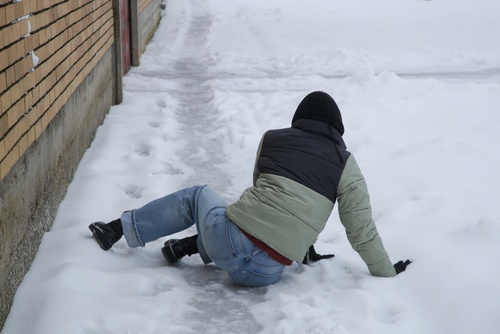
To succeed in a slip and fall claim in Florida, you must prove four elements: duty of care, breach of duty, causation, and damages. Failing to establish any single element can prevent you from recovering compensation. A slip and fall attorney in Florida can help you evaluate whether your case satisfies all four requirements.
Duty of Care
This first element requires showing that the property owner had a legal obligation to keep the premises reasonably safe for you. The strength of this element depends on your visitor status and the property type.
Breach of Duty
A breach occurs when the property owner creates a dangerous condition or fails to address a known hazard. For instance, if a grocery store mopped a floor without leaving a warning sign, or management ignored a recurring puddle, those failures could constitute a breach. The key question is whether the owner acted reasonably under the circumstances.
Causation and Damages
You must prove that the breach directly caused your fall and that you suffered real, measurable damages. Causation links the hazardous condition to your injury, while damages encompass medical bills, lost wages, pain and suffering, and other losses.
💡 Pro Tip: Seek medical attention immediately after a fall, even if injuries seem minor. Prompt medical records create a documented link between the incident and your injuries, strengthening the causation element.
What Florida’s Knowledge Requirement Means for Your Claim
Florida law places a specific burden on slip and fall plaintiffs. Under Fla. Stat. §768.0755(1), you must prove that the business establishment had actual or constructive knowledge of the dangerous condition and should have taken action to remedy it.
Constructive knowledge can be established in two ways. First, you may show the condition existed long enough that the business, exercising ordinary care, should have discovered it. Second, you may demonstrate that the condition occurred with regularity and was foreseeable. For example, if a restaurant’s ice machine routinely leaked water onto the floor, that pattern could establish constructive knowledge.
| Type of Knowledge | What You Must Show | Example |
|---|---|---|
| Actual Knowledge | The business knew about the specific hazard | An employee was told about a spill but did not clean it |
| Constructive Knowledge (Duration) | The hazard existed long enough that it should have been discovered | A broken tile was cracked for weeks with no repair |
| Constructive Knowledge (Regularity) | The condition occurred repeatedly and was foreseeable | A freezer leaked onto the same spot every day |
💡 Pro Tip: If a hazardous condition appears to have been present for a while, such as dirty footprints through a puddle or dried edges around a spill, photograph those details as circumstantial evidence of constructive knowledge.
Common Defenses Property Owners Use Against Slip and Fall Claims
Property owners and their insurance companies regularly raise several defenses to reduce or eliminate liability. Being aware of these defenses helps you and your attorney prepare a stronger case.
- Open and Obvious Danger: The property owner may argue the hazard was so apparent that a reasonable person would have noticed and avoided it.
- Lack of Notice: The defense may claim the business had no actual or constructive knowledge of the condition under §768.0755.
- Comparative Fault: The property owner may argue your own carelessness contributed to the fall, which under Florida law can reduce or eliminate compensation.
A slip and fall attorney in Florida can identify which defenses are likely in your situation and build your case accordingly.
How Florida’s Comparative Fault System Affects Your Recovery
Florida follows a modified comparative fault system, which means your own negligence can reduce your compensation. Under Fla. Stat. §768.81, as amended by HB 837 in 2023, a claimant’s contributory fault diminishes damages proportionately. However, if you are found more than 50 percent at fault for your own harm, you are barred from recovering any damages.
Florida has also abolished joint and several liability in negligence actions. Under §768.81(3), each defendant is liable only for their own percentage of fault. If multiple parties share blame, you can only collect from each party based on their individual share of responsibility.
💡 Pro Tip: Be cautious about what you say after a fall. Statements like "I should have been watching where I was going" can be used against you to increase your assigned percentage of fault.
Protecting Your Slip and Fall Legal Rights in Florida
Taking the right steps after a fall can make a significant difference in the strength of your claim. Evidence can disappear quickly. Surveillance footage may be overwritten, witnesses may forget details, and hazardous conditions may be cleaned up within minutes.
Consider these steps to protect your claim:
- Report the incident to the property owner or manager and request a copy of the incident report.
- Photograph the scene, including the hazard, your injuries, your footwear, and the surrounding area.
- Collect contact information from any witnesses.
- Keep all medical records, bills, and documentation of lost wages organized.
Florida’s premises liability laws also extend beyond physical hazards. Under Fla. Stat. §768.0701, in an action for damages against the owner, lessor, operator, or manager of commercial or real property brought by a person lawfully on the property who was injured by the criminal act of a third party, the trier of fact must consider the fault of all persons who contributed to the injury, including the criminal. The ‘security measures’ framework, under which property owners may gain a presumption against liability by implementing specified security measures, is found in the related but distinct Fla. Stat. §768.0705 (for convenience businesses) and §768.0706 (for multifamily residential properties). You can learn more about your rights in a Florida slip and fall by exploring additional resources.
What a Slip and Fall Attorney in Florida Can Do for You
Navigating a slip and fall claim involves legal complexities that can be difficult to manage on your own. An experienced Florida injury attorney can investigate the facts, gather evidence, retain professionals to support your case, and handle negotiations with insurance companies on your behalf.
The facts of every case are different, and outcomes depend on specific circumstances. Florida law currently allows two years from the date of injury to file most personal injury claims, and missing that deadline can permanently bar your right to compensation. You can review general information about slip and fall accidents from Florida’s premises liability statutes for additional background.
💡 Pro Tip: Ask any attorney you consult whether they handle cases on a contingency-fee basis, meaning you generally pay nothing upfront.
Frequently Asked Questions
1. How do I prove a property owner knew about a dangerous condition in Florida?
You must show the business had actual or constructive knowledge. Constructive knowledge can be demonstrated by proving the condition existed long enough that ordinary care would have detected it, or that it occurred with regularity. Circumstantial evidence such as the appearance of a spill, maintenance logs, or witness testimony may support your claim.
2. Can I still recover compensation if I was partially at fault for my fall?
Florida uses a modified comparative fault system. Your compensation is reduced by your percentage of fault. However, if you are more than 50 percent at fault, you are barred from recovering any damages. Minimizing your assigned fault percentage is key to a successful claim.
3. What is the difference between duty of care for a customer versus a trespasser?
Property owners owe the highest duty of care to customers and invitees, requiring them to maintain reasonably safe conditions and warn of known hazards. Florida Statute §768.075 provides significant immunity from liability for injuries to trespassers, meaning the duty owed to someone unlawfully on the property is much more limited.
4. What should I do immediately after a slip and fall in a Florida business?
Report the incident, photograph the scene and your injuries, get witness contact information, and seek medical attention right away. Prompt action preserves evidence and creates documentation essential to your claim.
5. Does Florida allow me to sue multiple parties for a slip and fall injury?
You may bring claims against multiple parties, but Florida has abolished joint and several liability in negligence actions. Each defendant is only liable for their own percentage of fault, so you can only collect from each party based on their individual share.
Take the Next Step Toward Protecting Your Rights
Understanding duty of care is essential to any Florida slip and fall claim, but knowing the law is only the beginning. Every case turns on its own facts, from the type of hazard involved to the evidence available. The sooner you act, the better your chances of preserving critical evidence and meeting Florida’s legal deadlines.
If you or a loved one was injured in a slip and fall in Florida, Attorney Big Al at 1-800-HURT-123 is here to help you understand your options. Call 1-800-487-8123 or contact us now for a free consultation.
