

How Riding Without a Helmet Affects Your Motorcycle Accident Claim in Florida
If you were hurt in a motorcycle crash while not wearing a helmet, you may worry that your claim is dead on arrival. The good news is that riding without a helmet does not automatically bar you from recovering compensation in Florida. However, it can affect your final recovery. Insurance companies and defense attorneys may argue that your injuries, particularly head and brain injuries, would have been less severe had you worn a helmet. This "helmet defense" can reduce your damages but does not erase the at-fault driver’s responsibility for causing the crash. Understanding how Florida law treats helmet use in injury claims is essential for protecting your rights and pursuing fair motorcycle crash compensation in Florida.
If you were injured in a no helmet motorcycle crash in Florida and need guidance, Attorney Big Al is ready to help. Call 1-800-487-8123 or contact us today to discuss your case.
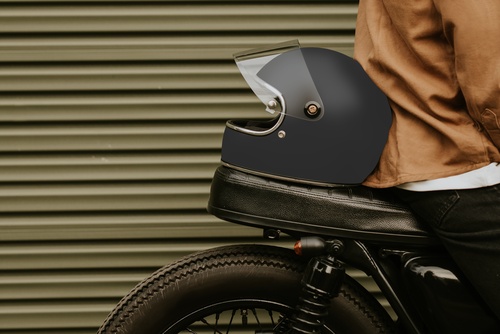
Florida’s Helmet Law and the Insurance Requirement
Florida does not require all motorcyclists to wear a helmet. Under Fla. Stat. §316.211(3)(b), riders over 21 may legally ride without a helmet if they carry at least $10,000 in medical insurance coverage. Riders under 21 must wear a helmet at all times. This means many adult riders in South Florida lawfully choose to ride helmetless, and that legal choice matters when an injury claim arises.
The insurance requirement exists because motorcyclists are excluded from Florida’s Personal Injury Protection (PIP) system. Under Fla. Stat. §627.736(1), motor vehicle insurance policies must provide up to $10,000 in medical and disability benefits and $5,000 in death benefits, but these PIP benefits do not extend to motorcyclists. Without PIP as a safety net, injured riders must pursue compensation through the at-fault party’s liability insurance or other avenues. To learn more about Florida’s helmet-free insurance requirement, review how the $10,000 medical coverage threshold works.
💡 Pro Tip: Even if you legally rode without a helmet, gather your medical insurance policy documents immediately after a crash. Proof that you met the Fla. Stat. §316.211(3)(b) insurance threshold strengthens your position against arguments that you were riding unlawfully.
What Is the Helmet Defense and How Can It Reduce Your Compensation?
The helmet defense allows the at-fault party to argue that your damages should be reduced because a helmet would have lessened your injuries. This defense does not claim you caused the accident. Instead, it targets injury severity, asserting you bear some responsibility for the extent of harm suffered. Courts may consider this argument even when the rider was not legally required to wear a helmet.
How Florida Courts Developed the Helmet Defense
The legal foundation for the helmet defense traces back to the seat belt defense established in Insurance Co. of North America v. Pasakarnis (1984). In that case, the Florida Supreme Court held that fault could be apportioned based on the reasonableness of each party’s conduct, independent of any statutory duty. Legal scholars have analyzed the emergence of the helmet defense as a parallel application of this principle to motorcyclists.
Key Differences Between the Helmet and Seat Belt Defenses
One critical distinction is that helmets are not standard equipment on motorcycles. A seat belt comes built into every car, but a helmet requires a separate purchase and the conscious decision to carry and wear it. Courts may view this difference as creating a greater burden for defendants trying to prove the rider acted unreasonably. The defendant must also present evidence, often through medical testimony, showing that a DOT-compliant helmet meeting FMVSS 218 standards would have specifically reduced the plaintiff’s injuries.
| Factor | Seat Belt Defense | Helmet Defense |
|---|---|---|
| Equipment provided with vehicle | Yes, standard in all cars | No, requires separate purchase |
| Statutory duty in Florida (adults 21+) | Required by law | Not required with $10,000 insurance |
| Burden on defendant to prove | Lower | Higher |
| Effect on claim | May reduce damages | May reduce damages |
| Bars recovery entirely | No (unless plaintiff’s total fault exceeds 50%) | No (unless plaintiff’s total fault exceeds 50%) |
💡 Pro Tip: If the defense raises a helmet argument, your attorney can challenge whether they have presented sufficient medical evidence that a helmet would have actually prevented or reduced your specific injuries. The burden of proof falls on them, not you.
Proving Negligence in a Florida Motorcycle Injury Case
At the heart of most motorcycle accident claims is proving that the other party was negligent. To recover damages, you generally need to establish four elements: duty, breach, causation, and damages. The at-fault driver owed you a duty of care, breached that duty, and caused injuries resulting in measurable losses. Helmet use may factor into causation and damages but does not affect whether the other driver was negligent.
Florida follows a modified comparative negligence system under Fla. Stat. §768.81(6), which means your compensation may be reduced by your percentage of fault, and you are barred from recovery if found more than 50 percent at fault. If a jury determines that not wearing a helmet contributed to 20 percent of your head injury severity, your award could be reduced by that amount. However, the other driver still bears responsibility for the remaining 80 percent. Importantly, while the helmet defense addresses only injury severity and not crash causation, it can still push a plaintiff’s fault above the 50 percent threshold that bars recovery entirely, particularly when the plaintiff’s injuries are predominantly head, neck, or spinal injuries that a helmet could have prevented or reduced.
💡 Pro Tip: Document every injury thoroughly, including those unrelated to your head. Neck, back, limb, and internal injuries have nothing to do with helmet use, and the helmet defense cannot reduce compensation for those damages.
Why Insurers Use Helmet Arguments to Minimize Payouts
Insurance companies look for every opportunity to reduce what they owe, and helmet non-use is a common target. Even where wearing a helmet was not legally required, an insurer may argue you contributed to your head injury severity, potentially reducing your compensation. NHTSA studies show that unhelmeted motorcyclists are three times as likely to suffer brain injuries and that helmets reduce death risk by approximately 37 percent (with some studies finding up to 42 percent effectiveness). Defense teams use these statistics to support their position.
Understanding these tactics can help you prepare a stronger motorcycle negligence claim in Florida. An experienced motorcycle accident attorney in Florida can counter these arguments by isolating which injuries a helmet could have realistically prevented and which it could not. Many crash injuries, such as broken bones, road rash, spinal damage, and organ trauma, have nothing to do with helmet use.
💡 Pro Tip: Seek medical attention immediately after a crash and keep detailed records. In Florida, PIP benefits for covered motorists require initial treatment within 14 days under Fla. Stat. §627.736(1)(a). While motorcyclists are excluded from PIP, prompt treatment creates a strong medical record tying your injuries directly to the collision.
Florida’s Statute of Limitations for Motorcycle Accident Claims
You do not have unlimited time to file a motorcycle injury claim in Florida. Under Fla. Stat. §95.11, as amended by House Bill 837 (effective March 24, 2023), negligence-based personal injury claims must be filed within two years from the incident date. Missing this deadline may result in losing your right to seek compensation entirely. While limited exceptions may apply in narrow circumstances, such as cases involving minors or the discovery rule, courts interpret tolling provisions strictly.
Acting quickly also preserves critical evidence. Witness memories fade, surveillance footage gets deleted, and vehicle damage gets repaired. Starting the legal process early gives your legal team the best chance of building a thorough case.
💡 Pro Tip: Even if you believe your injuries are minor, consult an attorney well before the two-year deadline. Some injuries, particularly traumatic brain injuries from helmetless crashes, may not show full symptoms for weeks or months.
How a Motorcycle Accident Attorney in Florida Can Protect Your Claim
A strong legal advocate can make the difference between a reduced settlement and full, fair compensation. When the helmet defense is raised, your attorney can challenge the medical evidence, demonstrate that the defendant has not met their burden of proof, and ensure that damages unrelated to head injuries are fully accounted for. Every Florida motorcycle injury case involves unique facts, and a knowledgeable attorney evaluates how helmet use specifically applies to your situation.
Your legal team can also handle negotiations with insurance companies that may use aggressive tactics to undervalue your claim. From gathering accident reconstruction evidence to consulting medical professionals, building a motorcycle injury no helmet case requires a thorough, strategic approach.
Frequently Asked Questions
1. Can I still file a claim if I was not wearing a helmet in Florida?
Yes. Not wearing a helmet does not bar you from filing a motorcycle accident claim. It may allow the defense to argue for reduced damages based on injuries a helmet might have prevented. The at-fault driver remains liable for causing the crash.
2. Does Florida law require motorcycle helmets for all riders?
No. Under Fla. Stat. §316.211(3)(b), riders over 21 who carry at least $10,000 in medical insurance may legally ride without a helmet. Riders under 21 must wear a helmet regardless of insurance.
3. What is the helmet defense?
The helmet defense is a legal argument allowing defendants to seek reduced damages by claiming the plaintiff’s injuries would have been less severe with a helmet. It does not eliminate the defendant’s fault for the accident.
4. How long do I have to file a motorcycle accident lawsuit in Florida?
Under Fla. Stat. §95.11, as amended by HB 837 in 2023, you generally have two years from the accident date to file a negligence-based personal injury lawsuit. Exceptions are rare and narrowly interpreted.
5. Are motorcyclists covered by Florida’s PIP insurance?
No. Motorcyclists are excluded from Florida’s PIP requirements under Fla. Stat. §627.736. Injured riders cannot rely on their own no-fault PIP coverage and must pursue compensation through tort liability or other insurance.
Protect Your Rights After a Motorcycle Crash
Riding without a helmet in Florida does not mean you gave up your right to compensation. While the helmet defense may reduce certain damages, it cannot erase the other driver’s negligence. Florida law provides a clear path for injured motorcyclists to pursue claims for medical bills, lost wages, and pain and suffering. The key is acting quickly, documenting your injuries, and understanding how comparative negligence applies to your situation. Under Florida’s modified comparative negligence system, be aware that if your total fault exceeds 50 percent, you may be barred from recovery entirely, making it critical to work with an attorney who can minimize the helmet defense’s impact on your claim.
If you or a loved one was hurt in a motorcycle crash, Attorney Big Al has extensive experience fighting for injured riders across South Florida. Call 1-800-487-8123 or reach out online to get started on your case today.
