
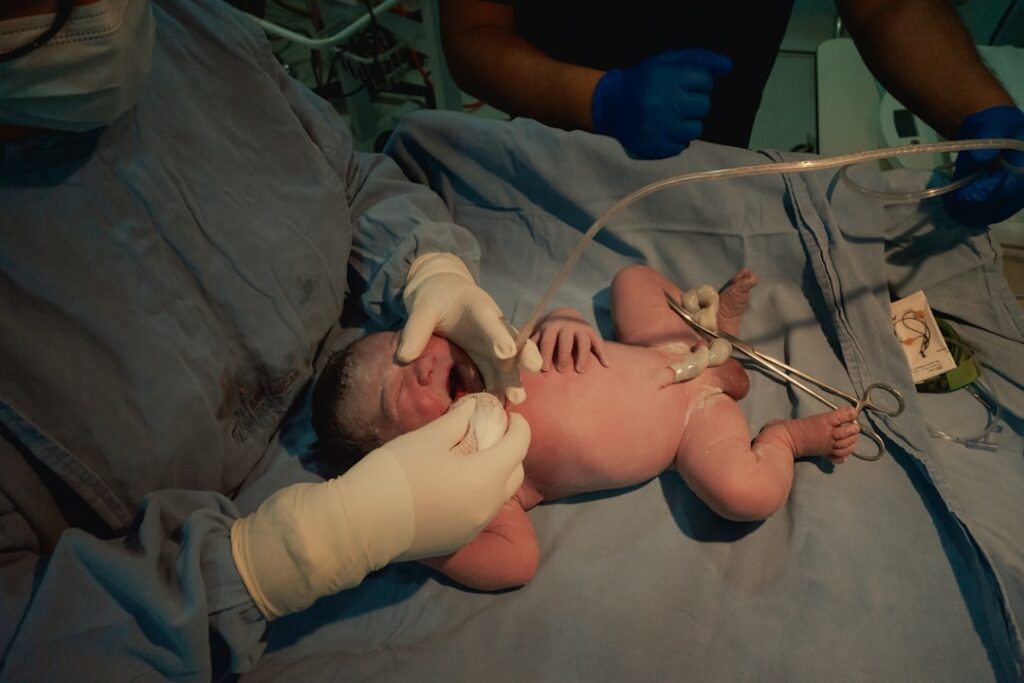
Birth injury brain damage: 2025 Scars Revealed
Understanding Neonatal Brain Damage in Miami
Birth injury brain damage is a devastating complication that affects approximately 3 in 1,000 full-term babies in the U.S., often leading to a lifetime of medical and emotional challenges. The developing brain is extremely vulnerable during labor, and when something goes wrong—like oxygen deprivation or physical trauma—the consequences can be permanent.
For families in Miami and surrounding areas, understanding the causes and recognizing the signs is the first step toward getting help.
Quick Overview: Birth Injury Brain Damage
- What it is: Damage to a baby’s brain before, during, or shortly after delivery
- Most common cause: Oxygen deprivation (asphyxia) to the baby’s brain
- Key types: Hypoxic-ischemic encephalopathy (HIE), periventricular leukomalacia (PVL), hydrocephalus, and intraventricular hemorrhage (IVH)
- Common signs: Seizures, abnormal muscle tone, feeding difficulties, breathing problems
- Long-term effects: Cerebral palsy, developmental delays, cognitive impairments, epilepsy
- Treatment window: Therapeutic hypothermia must begin within 6 hours of birth
- Frequency: About 7 birth injuries occur for every 1,000 children born in the U.S.
What Causes Birth Injury Brain Damage?
Birth injury brain damage refers to harm to a baby’s brain around the time of birth that causes lasting neurological issues. The causes are often complex.
Oxygen Deprivation (Asphyxia)
The most common cause is a lack of oxygen to the baby’s brain, known as birth asphyxia. This can happen if the placenta detaches too early (placental abruption) or if the umbilical cord is compressed, cutting off the baby’s oxygen supply.
Hypoxic-Ischemic Encephalopathy (HIE)
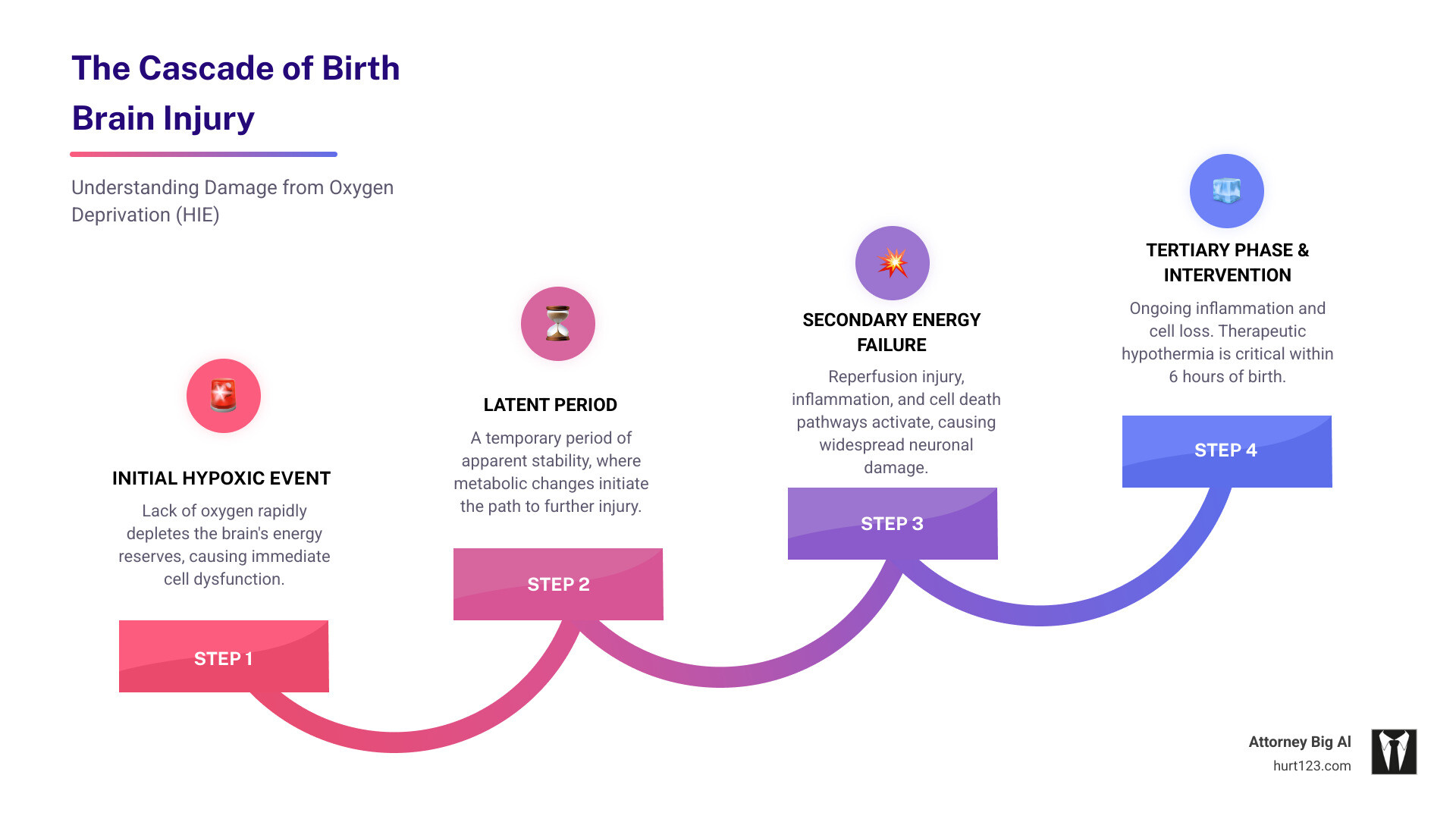
Severe oxygen deprivation can lead to HIE, a condition where lack of oxygen and blood flow causes a cascade of brain cell damage. Timely intervention is critical to prevent further harm. Resources like UCSF Benioff Children’s Hospital provide more information on HIE.
Physical Trauma
Physical trauma during a difficult delivery can also cause brain damage. Improper use of assisted delivery tools like forceps or a vacuum extractor can exert excessive pressure on the baby’s head, leading to skull fractures or brain bleeds, as detailed in research by Chong (2022).
Maternal Infections
Untreated maternal infections can be transmitted to the baby, causing inflammation and brain damage. Common infections include Cytomegalovirus (CMV), Rubella, Toxoplasmosis, and Meningitis. Research highlights the connection between these infections and conditions like cerebral palsy.
Untreated Jaundice (Kernicterus)
While jaundice is common in newborns, severe, untreated cases can lead to kernicterus. This occurs when high levels of a substance called bilirubin cross into the brain, causing irreversible damage. The CDC provides valuable information on jaundice and kernicterus.
Types, Signs, and Symptoms
Recognizing the signs of birth injury brain damage is crucial, though some may not appear for months or years.
Common Signs in Newborns:
- Seizures or convulsions
- Abnormal muscle tone (stiff or floppy)
- Difficulty feeding, sucking, or swallowing
- Breathing problems or apnea (pauses in breathing)
- Excessive or high-pitched crying
- Lethargy or excessive sleepiness
- An unusually large or small head
- Asymmetrical facial or body movements
Specific Types of Brain Damage:
- HIE (Hypoxic-Ischemic Encephalopathy): Caused by oxygen deprivation, with signs ranging from irritability to coma and seizures.
- Periventricular Leukomalacia (PVL): Injury to the brain’s white matter, common in premature infants, that can lead to developmental delays and cerebral palsy. Cleveland Clinic offers a detailed explanation of PVL.
- Hydrocephalus: A buildup of fluid in the brain, causing an enlarged head, vomiting, and developmental delays.
- Intraventricular Hemorrhage (IVH): Bleeding in the brain’s ventricles, most common in premature babies, with symptoms from subtle activity changes to seizures.
- Cephalohematoma: A collection of blood on the skull which, if large, can lead to complications like jaundice or anemia.
- Seizures: A critical sign of neurological distress, which can be subtle (lip smacking, eye deviation) or overt convulsions.
Navigating Life After Birth Injury Brain Damage in Fort Lauderdale

Receiving a diagnosis of birth injury brain damage is overwhelming for families in Fort Lauderdale and throughout South Florida. The path forward involves understanding the prognosis, finding the right care, and building a strong support system. While the challenges are significant, many resources are available to help.
Long-Term Effects and Prognosis
The long-term effects of birth injury brain damage depend on the injury’s type, severity, and location. While brain damage cannot be reversed, early and consistent treatment can significantly improve a child’s quality of life.
Common long-term effects include:
- Cerebral palsy: A group of permanent movement disorders affecting muscle tone and posture. The CDC provides extensive data on Cerebral Palsy.
- Seizure disorders (epilepsy): Caused by abnormal electrical activity in the brain, often requiring medication.
- Cognitive impairments: Difficulties with learning, attention, and problem-solving.
- Developmental delays: Slower progress in reaching milestones like sitting, walking, and speaking.
- Motor skill difficulties: Challenges with both large movements (running) and small movements (writing).
- Speech and language problems: Difficulty forming words or understanding language.
- Vision or hearing loss: Damage to the parts of the brain that process sensory information.
The prognosis for children with birth injury brain damage varies widely. Some infants with mild injuries achieve near-typical development, while others with severe damage require lifelong support. Early intervention is a key factor influencing outcomes.
Diagnosis and Modern Treatments
An accurate diagnosis is the first step. Modern diagnostic tools give doctors a clear picture of what’s happening inside a baby’s brain.
- MRI (Magnetic Resonance Imaging) provides detailed images of the brain’s structure to identify the location and extent of damage.
- EEG (Electroencephalography) measures electrical brain activity to detect seizures, which can be very subtle in newborns.
- Cranial ultrasound uses sound waves to create images and is useful for detecting brain bleeds (IVH), especially in fragile newborns.
For treatment, therapeutic hypothermia (cooling therapy) has been a game-changer for babies with HIE. This treatment involves lowering a baby’s body temperature for 72 hours to slow down brain damage, but it must begin within 6 hours of birth to be effective.
Long-term treatment relies on a combination of medication to control seizures or relax muscles, along with physical, occupational, and speech therapy to help children develop skills and independence. The field of perinatal brain damage treatment continues to evolve, with research exploring promising therapies like Erythropoietin (EPO), melatonin, and stem cell therapy, offering hope for better outcomes in the future.
The Role of Medical Negligence in Birth Injury Brain Damage
Not all cases of birth injury brain damage are unavoidable. Many occur because a healthcare provider failed to meet the accepted standard of care, which constitutes medical negligence. Examples include:
- Failure to monitor fetal distress: Not recognizing or responding to abnormal fetal heart rate patterns that signal a lack of oxygen.
- Delayed C-section: Failing to perform a timely C-section when vaginal delivery becomes dangerous for the baby.
- Improper use of delivery tools: Incorrectly using forceps or vacuum extractors, causing physical trauma to the baby’s head.
- Failure to treat maternal infections: Not diagnosing or promptly treating maternal infections that can harm the fetal brain.
- Mismanaging high-risk pregnancies: Failing to provide the extra vigilance required for conditions like preeclampsia or gestational diabetes.
Proving negligence requires showing that a healthcare provider breached their duty of care and that this breach directly caused your child’s injury and resulting damages. This complex process requires a thorough review of medical records and expert testimony.
If you suspect your child’s injury was preventable, you deserve answers. Our firm helps families in Fort Lauderdale, Miami, and across Florida steer these difficult circumstances. While compensation cannot undo the harm, it can provide the financial resources for your child’s lifelong care. Learn more about our approach to medical malpractice cases.
Finding Support and Legal Options in Florida

When your child is diagnosed with birth injury brain damage, you are not alone and you have rights that can help secure your child’s future.
Legal Rights of Affected Families
If medical negligence caused your child’s birth injury brain damage, Florida law allows you to seek compensation. This is about ensuring your child has the resources they need for a lifetime of care.
It is critical to understand the statute of limitations, as Florida has strict deadlines for filing medical malpractice claims. Contacting a legal professional promptly is essential to protect your right to pursue a case.
A successful claim can provide compensation for:
- Medical bills: Covering immediate and ongoing treatment, surgeries, and medications.
- Future care costs: Including long-term physical, occupational, and speech therapy, as well as specialized schooling or in-home care.
- Pain and suffering: Acknowledging the profound emotional and physical toll on your child and family.
Taking legal action can feel daunting, but our team at Attorney Big Al is here to handle the legal process. We have the resources to challenge large insurance companies and healthcare providers. We serve families in Hollywood, Boca Raton, Sunrise, and throughout Florida. Whether you need a Miami birth injury lawyer or a Fort Lauderdale traumatic brain injury lawyer, we are ready to fight for you. We work on a contingency basis, meaning you pay no fees unless we win your case. For more information, see our page on medical malpractice claims.
Resources and Support for Families
Beyond legal action, building a strong support network is vital. Many resources are available to help Florida families.
- Your Medical Team: Build a strong, collaborative relationship with your child’s doctors and therapists.
- Support Groups: Connect with other parents who understand your journey. The Brain Injury Association of America is a great starting point.
- Financial Assistance: Programs like Supplemental Security Income (SSI) can provide financial support for children with disabilities.
- Advocacy Organizations: These groups can help you steer services, educational rights, and healthcare systems.
If you believe medical negligence played a role in your child’s condition, contact us for a free case review. We will listen to your story and help you understand your options. Our Traumatic Brain Injury practice areas page has more information. Seeking legal help is about looking forward and securing the best possible future for your child.
