
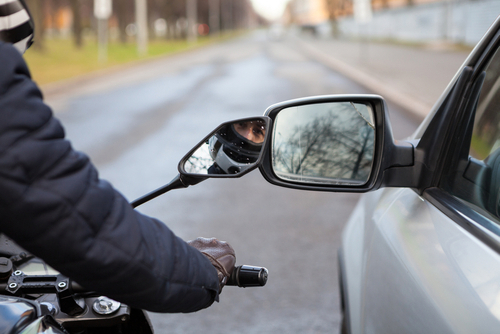
Understanding Motorcyclist Rights at Florida Intersections
If you ride a motorcycle in Florida, intersections are among the most dangerous places you will encounter on the road. In 2021, the Florida Highway Safety and Motor Vehicles (FLHSMV) reported over 8,600 motorcycle crashes (approximately 8,649) and approximately 621 fatalities statewide, with a significant number occurring at or near intersections. Knowing your legal rights as a rider can make a critical difference when determining fault, pursuing compensation, and protecting yourself after a crash. Under Florida Statute §316.208(1), motorcycle operators are granted all rights and subject to all duties applicable to drivers of any other vehicle. That means motorists who fail to respect your right of way may be held liable for the harm they cause.
If you or a loved one was hurt in an intersection motorcycle accident in Florida, Attorney Big Al at 1-800-HURT-123 is ready to help. Call 1-800-487-8123 or reach out online to discuss your case today.

Florida Law Protects Motorcyclists on Equal Footing With Other Drivers
Motorcyclists in Florida are not second-class road users. Florida Statute §316.208(1) explicitly states that motorcycle operators receive all of the same rights and duties as drivers of any other vehicle. This equal standing matters at intersections because it means a rider traveling through a green light or lawfully proceeding through a stop sign has the same legal protections as a car or truck. A driver who cuts off a motorcyclist or fails to yield cannot argue that the rider had fewer rights on the road.
Motorcyclists are vulnerable road users because they lack the structural protection of enclosed vehicles. When another driver’s negligence causes a crash with a motorcyclist, the consequences are often far more severe, and courts may consider this heightened risk when evaluating the duty of care owed by other motorists.
💡 Pro Tip: After any intersection collision, document the traffic signals, signage, and lane markings. Photos and videos taken immediately can become powerful evidence when proving another driver failed to yield.
How Right-of-Way Rules Apply to Motorcycle Riders
Florida law does not grant the right of way to anyone. Instead, it specifies who must yield and under what circumstances. Every driver must do everything possible to avoid a collision. This distinction matters because an at-fault driver cannot simply argue they "had the right of way" as a blanket defense.
Intersections Where Two Vehicles Arrive at the Same Time
When two vehicles approach an intersection from different roads at approximately the same time, the driver on the left must yield to the driver on the right. This basic right-of-way rule applies equally to motorcycles. If you were the vehicle on the right and a car on your left failed to yield, that driver likely violated Florida traffic law.
Malfunctioning Traffic Signals
When traffic signals malfunction, Florida law requires drivers to treat the intersection as an all-way stop. Every vehicle must come to a complete stop before proceeding. If a driver blew through a dark or flashing signal and struck your motorcycle, this failure to stop could establish clear negligence.
💡 Pro Tip: If a traffic light was malfunctioning at the time of your crash, request traffic signal maintenance records from the local municipality. A history of malfunctions may support additional claims.
Why Left-Turn Crashes Are a Leading Danger for Riders
Left-turning vehicles represent one of the greatest threats to motorcyclists at intersections. Because motorcycles present a smaller visual profile than cars, drivers preparing to turn left frequently misjudge a rider’s speed or fail to see the motorcycle entirely. The Florida Department of Transportation (FDOT) emphasizes that motorists must yield right-of-way to motorcyclists and double-check intersections before turning. When a driver making a left turn strikes an oncoming motorcyclist, the turning driver is generally considered at fault. You can learn more about what happens when a left-turning driver hits a motorcyclist and how fault is typically assessed.
💡 Pro Tip: Use flexible lane positioning based on conditions. The Florida Motorcycle Handbook generally favors the center portion of the lane for visibility and to prevent lane sharing, but recommends the left portion specifically at blind intersections to improve visibility to cross-street drivers. When riding in rain, the handbook suggests using tire tracks (often the left track) to avoid the slippery center of the lane.
Lane Use, Lane Splitting, and Visibility on the Road
Under Florida Statute §316.209, a motorcycle is entitled to full use of a lane, and no motor vehicle may be driven in a manner that deprives a motorcycle of that full use. If another vehicle encroached on your lane at an intersection and caused a collision, that driver may have violated your lane-use rights.
Lane splitting is not permitted for motorcyclists in Florida. While some states allow riders to travel between lanes of slow or stopped traffic, Florida does not. An insurance company may try to argue that a rider was lane splitting at the time of a crash, even when the rider was lawfully occupying a full lane. Knowing this rule helps you counter false allegations of fault.
| Motorcyclist Right | What It Means at an Intersection |
|---|---|
| Full lane use (§316.209) | No vehicle may share your lane or crowd you out |
| Equal right-of-way rules | Yield rules apply the same as for cars and trucks |
| Same rights and duties as other drivers (§316.208) | Motorcyclists receive equal legal standing on the road |
| No lane splitting | Riders must stay within a single lane; violations may affect fault |
💡 Pro Tip: Since motorcycles are hard to see, consider using auxiliary lighting or reflective gear at intersections, particularly at dawn, dusk, and night. While this does not change your legal rights, it can reduce crash risk and strengthen your position if fault is disputed.
How Florida’s Modified Comparative Negligence Rule Affects Your Claim
Florida’s negligence framework changed significantly in 2023, and every injured rider needs to understand the new rule. Under HB 837, signed on March 24, 2023, Florida shifted from pure comparative negligence to modified comparative negligence. Under Florida Statute §768.81(6), any party found to be greater than 50 percent at fault for their own harm may not recover any damages. Previously, a rider could recover reduced compensation even if they were 90 percent at fault.
What This Means for Intersection Motorcycle Crashes
If an insurance adjuster or defense attorney argues that you were more than half responsible for the crash, you could lose your entire claim. This makes gathering evidence, witness statements, and traffic camera footage immediately after a crash more important than ever. Common tactics used against riders include alleging excessive speed, failure to wear a helmet, or improper lane positioning. An experienced motorcycle accident attorney in Florida can help you build a strong case and fight back against unfair fault allegations.
For a broader look at how different states handle comparative and contributory negligence, the Justia 50-state survey provides a useful national overview.
💡 Pro Tip: Avoid giving recorded statements to the other driver’s insurance company before speaking with an attorney. Adjusters may use your words to inflate your percentage of fault above 50 percent, eliminating your right to compensation under Florida’s current law.
Steps to Protect Your Rights After an Intersection Crash
What you do after a motorcycle intersection crash can shape the outcome of your entire claim. Consider these steps:
- Call 911 and obtain an official crash report documenting the scene, parties, and any citations issued.
- Photograph the intersection from multiple angles, including traffic signals, stop signs, skid marks, debris, and vehicle damage.
- Get contact information from witnesses who saw the other driver fail to yield or violate a traffic signal.
- Seek medical attention promptly, even if injuries seem minor, because delayed symptoms are common.
- Preserve your helmet, riding gear, and motorcycle in their post-crash condition as physical evidence.
Under Florida Statute §316.208(5), violations are classified as noncriminal traffic infractions punishable as moving violations. Under Florida law, a traffic citation issued to another driver at the scene is generally not admissible as evidence in a civil injury trial per Florida Statute §316.650(9). However, if the cited driver later pleads guilty in open court to a qualifying infraction (for example, an offense resulting in death or serious bodily injury under Florida Statute §318.19), that guilty plea, not the citation itself, may be admissible as an admission against interest in a civil injury claim.
Frequently Asked Questions
1. Does a motorcyclist have the same right of way as a car at a Florida intersection?
Yes. Under Florida Statute §316.208(1), motorcyclists hold all of the same rights and duties as drivers of any other vehicle. Right-of-way rules at intersections apply equally to motorcycles, cars, and trucks.
2. Can I still recover damages if I was partially at fault for the intersection crash?
You may recover compensation as long as you are not found to be greater than 50 percent at fault. Under Florida Statute §768.81(6), a party who exceeds 50 percent fault is barred from recovering damages. Your compensation would be reduced by your percentage of fault if you remain at or below that threshold.
3. Is lane splitting legal in Florida?
No. Florida does not permit lane splitting. Motorcyclists must occupy a full lane and should not ride between lanes. If an insurer claims you were lane splitting at the time of a crash, this could significantly affect your claim.
4. What should I do if a traffic light was malfunctioning when the crash happened?
When traffic signals malfunction, all drivers must treat the intersection as an all-way stop. If another driver failed to stop and struck your motorcycle, their failure may establish negligence. Document the malfunctioning signal through photos, dashcam footage, or witness testimony.
Protect Your Rights and Pursue Fair Compensation After a Motorcycle Crash
Florida law gives motorcyclists meaningful protections at intersections, but exercising those rights after a crash requires prompt action, solid evidence, and a clear understanding of the modified comparative negligence rule now in effect. Insurance companies routinely look for ways to shift blame onto injured riders, and the 50 percent fault bar under Florida Statute §768.81(6) makes the stakes higher than ever.
Do not navigate this process alone. Contact Attorney Big Al at 1-800-HURT-123 by calling 1-800-487-8123 or connect with us online for a case evaluation. Let an experienced motorcycle accident attorney in Florida fight for the compensation you deserve.
