

Understanding Compensation for Motorcycle Crash Victims in Florida
Key Takeaways: Florida motorcycle crash victims may pursue both economic and non-economic damages, including medical expenses, lost wages, and pain and suffering. Under FL § 768.81(6), riders found more than 50% at fault cannot recover any damages. Punitive damages may be available in cases involving gross negligence or intentional misconduct, requiring clear and convincing evidence under FL § 768.72(2). The statute of limitations for negligence-based injury claims is two years under FL § 95.11(4)(a) (as amended by HB 837, effective March 24, 2023). Speaking with a motorcycle accident attorney in Florida promptly after a crash can help protect your right to full compensation.
If you or a loved one suffered serious injuries in a motorcycle collision in Florida, you may be entitled to compensation under state law. Florida statutes allow crash victims to seek recovery for medical bills, lost income, property damage, pain and suffering, and more. The types and amounts available depend on case-specific facts, including fault, injury severity, and whether the at-fault party’s conduct was particularly reckless.
Attorney Big Al at 1-800-HURT-123 has extensive experience helping injured riders and their families pursue fair compensation. Call 1-800-487-8123 or reach out online today to discuss your motorcycle crash case.
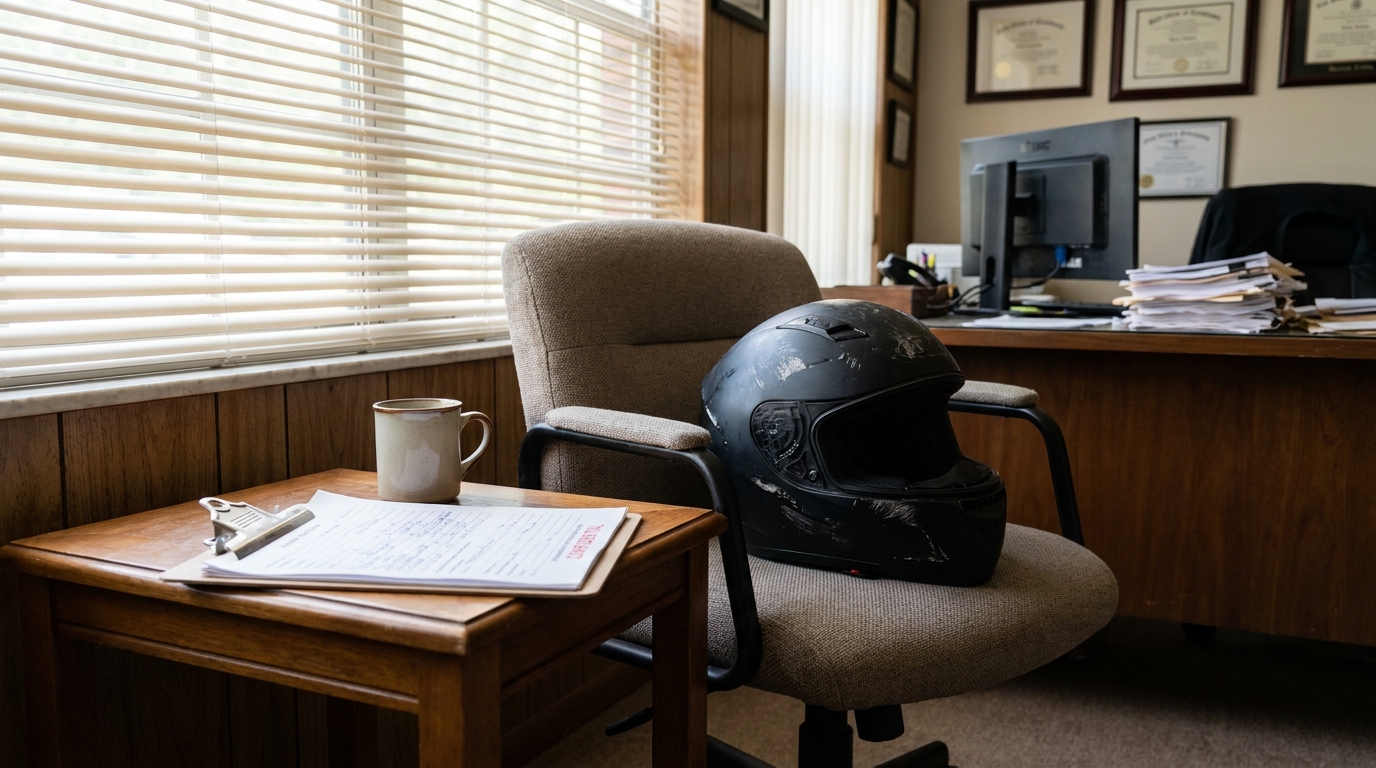
Economic Damages Available to Injured Motorcyclists
Florida law defines economic damages broadly, allowing motorcycle crash victims to claim measurable financial losses caused by the accident. Under FL § 768.81(1)(b), economic damages include past and future lost income (reduced to present value), medical and funeral expenses, lost support and services, replacement value of lost personal property, loss of appraised fair market value of real property, costs of construction repairs (including labor, overhead, and profit), and any other economic loss that would not have occurred but for the injury giving rise to the cause of action. For riders, this covers hospital bills, ambulance costs, rehabilitation, lost wages, diminished earning capacity, and motorcycle repair or replacement costs.
Medical Expense Damages Under Florida Law
Florida places specific limits on recoverable medical expense damages. Under FL § 768.0427(4), recoverable medical costs may not exceed: (1) amounts actually paid by or on behalf of the claimant, (2) amounts necessary to satisfy charges due and owing but not yet satisfied at trial, and (3) amounts necessary for reasonable and necessary future medical treatment. FL § 768.0427(2) restricts admissible evidence to prove these damages, tying past expenses to amounts actually paid and limiting evidence of unpaid and future expenses based on the claimant’s insurance status.
💡 Pro Tip: Keep detailed records of every medical visit, prescription, therapy session, and out-of-pocket expense from the crash onward. Thorough documentation strengthens your claim and establishes the full scope of economic losses.
Lost Income and Future Earning Capacity
Motorcycle injuries often force victims to miss weeks or months of work, and some face permanent earning limitations. Florida law allows recovery for past lost income and future lost income reduced to present value. If injuries prevent returning to your previous work, you may pursue damages for diminished earning capacity. These calculations require supporting evidence such as employment records, tax returns, and vocational assessments.
Non-Economic Damages: Pain, Suffering, and Quality of Life
Not all motorcycle accident damages appear on receipts. Non-economic damages compensate victims for physical pain, emotional distress, loss of enjoyment of life, and other intangible harms. Florida law requires itemized verdicts under Chapter 768 that separate damages into three broad categories: economic losses, noneconomic losses, and punitive damages (if applicable). For general negligence cases like motorcycle accidents, the statute does not mandate further itemization into sub-categories such as medical expenses, lost earnings, and pain and suffering; that more granular past/future breakdown by sub-category is only required in medical malpractice actions under subsection (2).
💡 Pro Tip: A personal journal documenting daily pain levels, emotional struggles, and activities you can no longer enjoy serves as powerful evidence for non-economic damage claims.
How Florida’s Comparative Fault Rule Affects Your Recovery
Florida’s modified comparative fault system can significantly reduce or eliminate your compensation if you share blame. Under FL § 768.81(6), any party found greater than 50% at fault may not recover any damages. If you are 50% or less at fault, your award is reduced proportionally. For example, a $200,000 award with 20% fault reduces to $160,000.
Insurance companies and defense attorneys frequently argue that motorcyclists contributed to accidents. They may cite speed, lane positioning, or protective gear. Understanding how comparative negligence works in Florida is critical because even small fault percentages substantially affect compensation. An experienced motorcycle wreck attorney can counter these arguments and protect your recovery.
| Rider’s Percentage of Fault | Effect on $200,000 Award | Amount Recovered |
|---|---|---|
| 0% | No reduction | $200,000 |
| 20% | Reduced by 20% | $160,000 |
| 50% | Reduced by 50% | $100,000 |
| 51% or more | Barred from recovery | $0 |
💡 Pro Tip: Never admit fault at the scene or to an insurance adjuster. Even casual statements like "I should have seen them" can increase your assigned fault and reduce compensation.
Punitive Damages in Egregious Motorcycle Crash Cases
When the at-fault driver’s conduct exceeds ordinary negligence, Florida law may allow punitive damages on top of compensatory damages. Under FL § 768.72(2), a defendant may be held liable for punitive damages only if the trier of fact, based on clear and convincing evidence, finds the defendant was personally guilty of intentional misconduct or gross negligence, conduct so reckless it constituted conscious disregard for the life, safety, or rights of others.
Common scenarios supporting punitive damages include drunk driving, texting while driving at high speed, or fleeing the scene. Florida law requires a motion to amend the complaint before asserting a punitive damages claim, meaning your legal team must present sufficient evidence early. A motorcycle accident attorney in Florida can evaluate whether your crash facts support this claim.
Wrongful Death Compensation for Fatal Motorcycle Accidents
When a motorcycle crash results in death, Florida’s Wrongful Death Act (FL §§ 768.16 through 768.26) provides surviving family members and the estate with specific recovery avenues. Under FL § 768.21, a surviving spouse may recover for loss of companionship, protection, and mental pain and suffering. Minor children may recover for lost parental companionship, instruction, guidance, and mental pain and suffering. Each survivor can recover for lost support and services, and the estate can seek lost earnings and medical or funeral expenses.
Who Can File a Wrongful Death Claim
Florida’s Wrongful Death Act designates specific individuals who may recover damages. The personal representative of the estate brings the lawsuit on behalf of the estate and all eligible survivors. Individual survivors, including spouses, minor children, and sometimes parents, each have distinct damage categories. To learn more about the full range of damages a Florida motorcycle crash victim can recover, understand how these statutory categories apply to your situation.
💡 Pro Tip: Wrongful death claims carry a two-year statute of limitations under FL § 95.11(5)(e), running from the death date rather than the accident date. Families should consult an attorney immediately to preserve evidence and meet deadlines.
Critical Deadlines: Florida’s Statute of Limitations
Florida imposes a strict two-year statute of limitations on negligence-based personal injury claims under FL § 95.11(4)(a) (as amended by HB 837, effective March 24, 2023) and wrongful death claims under FL § 95.11(5)(e). For personal injury, the period runs from the accident date. For wrongful death, it runs from the death date, which may differ if the victim survived before passing. Missing these deadlines can permanently bar recovery.
Tolling Exceptions Are Narrow
In limited circumstances, Florida law may pause or "toll" the statute of limitations. Under FL § 95.051(1), tolling may apply when the defendant is absent from the state, uses a false name to evade service, or is concealed within the state. The period may also toll for minor or incapacitated claimants lacking a parent, guardian, or guardian ad litem. Courts interpret these exceptions narrowly, so never assume tolling applies without consulting an attorney.
💡 Pro Tip: Even with time remaining under Chapter 95, gathering evidence becomes more difficult with each passing month. Witness memories fade and physical evidence disappears. Acting quickly strengthens your claim.
Collateral Sources and Their Impact on Your Award
Florida’s collateral source statute (FL § 768.76) can affect net compensation. Under this provision, the court generally reduces a damages award by amounts the claimant already received from collateral sources, such as health insurance benefits, unless a subrogation or reimbursement right exists. Understanding collateral source offsets is important when evaluating the true value of your claim.
Frequently Asked Questions
1. What is the deadline to file a motorcycle accident lawsuit in Florida?
Under FL § 95.11(4)(a) (as amended by HB 837, effective March 24, 2023), the statute of limitations for negligence-based personal injury claims is two years from the accident date. Wrongful death claims carry the same two-year deadline under FL § 95.11(5)(e), but run from the death date. Missing this window can permanently prevent recovery.
2. Can I still recover damages if I was partially at fault for my motorcycle crash?
You may recover damages if you were 50% or less at fault under Florida’s modified comparative fault law (FL § 768.81(6)). Your award is reduced by your fault percentage. If found more than 50% at fault, you are barred from recovering any damages.
3. What types of damages can my family recover if a loved one died in a motorcycle accident?
Under FL § 768.21, surviving spouses may recover for loss of companionship and mental pain and suffering. Minor children may recover for lost parental guidance and mental pain and suffering. The estate can seek lost earnings and funeral or medical expenses.
4. Are punitive damages available in Florida motorcycle crash cases?
Punitive damages may be available when the at-fault party acted with intentional misconduct or gross negligence under FL § 768.72(2). These claims require clear and convincing evidence and a court-approved motion to amend the complaint.
5. How does Florida limit recoverable medical expenses in a motorcycle injury case?
Under FL § 768.0427(4), recoverable medical expense damages may not exceed amounts actually paid, amounts necessary to satisfy charges currently due and owing, and amounts necessary for reasonable and necessary future medical treatment. The statute also restricts admissible evidence based on factors such as the claimant’s insurance coverage.
Protecting Your Right to Full Compensation After a Florida Motorcycle Crash
Motorcycle accident victims in Florida face a complex legal landscape with strict filing deadlines, comparative fault reductions, and detailed rules governing damages. Whether dealing with medical bills, lost wages, or the loss of a loved one, understanding your rights under Florida law is the first step toward fair recovery. Every case turns on its own facts, and the sooner you begin building your claim, the stronger your position.
If you were hurt in a motorcycle collision in Florida, Attorney Big Al at 1-800-HURT-123 is ready to help you pursue the compensation you deserve. Call 1-800-487-8123 for a free consultation or contact us now to get started.
