
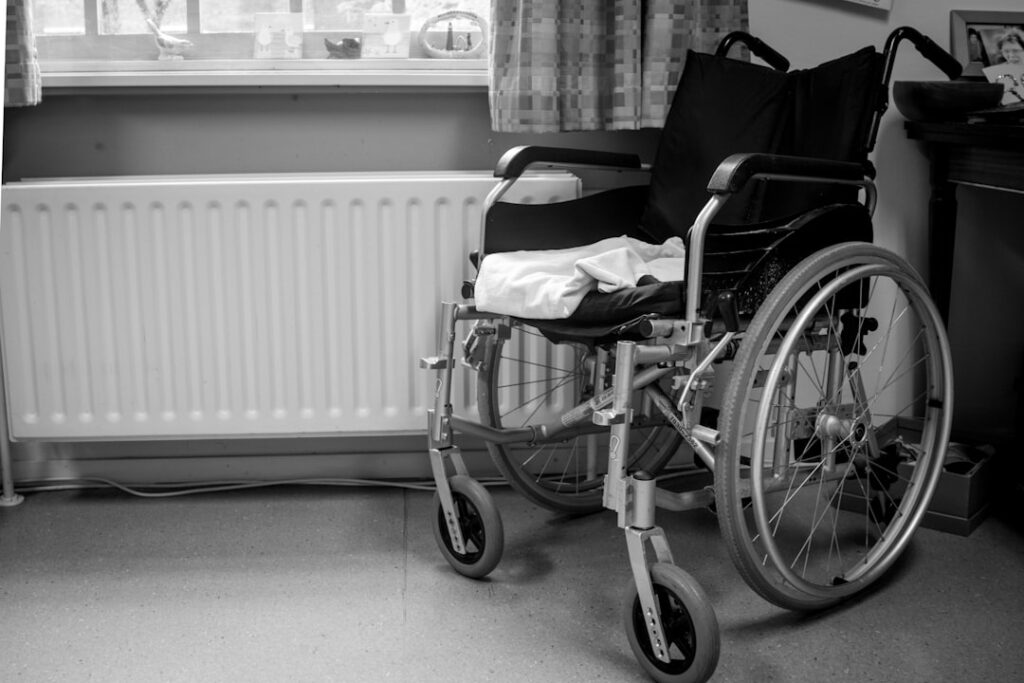
Nursing Home Abuse Lawyers: Secure Justice 2025
Why You Might Need Nursing Home Abuse Lawyers
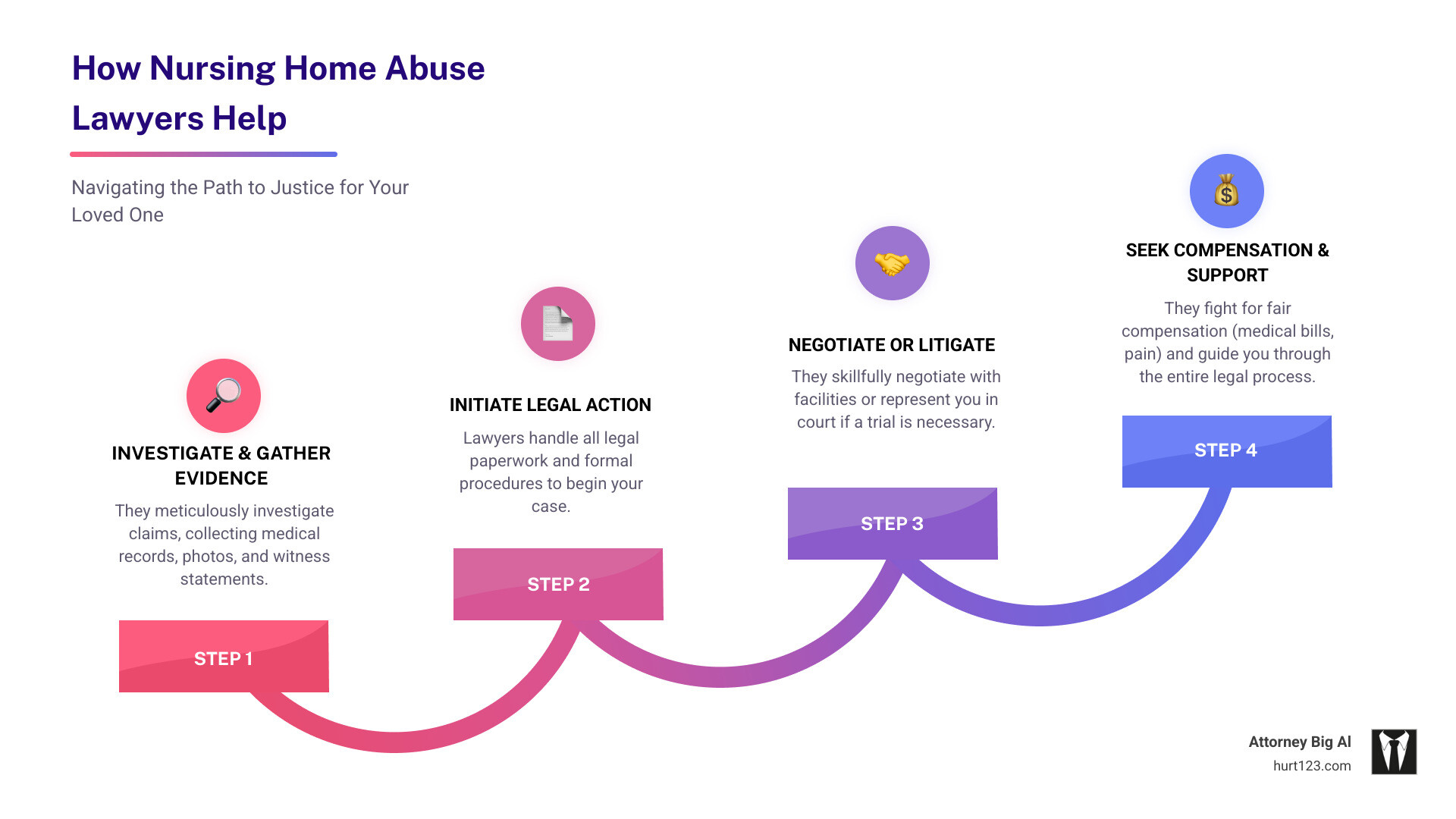
If you suspect a loved one is suffering in a nursing home, you need answers and action. Here’s what nursing home abuse lawyers do:
- Investigate Claims: They look into all signs of abuse or neglect.
- Gather Evidence: They collect medical records, photos, and witness statements.
- File Lawsuits: They handle all legal paperwork to start a case.
- Negotiate Settlements: They talk to the nursing home and their insurance on your behalf.
- Go to Trial: If needed, they represent you in court.
- Seek Compensation: They fight to get money for medical bills, pain, and suffering.
- Provide Support: They guide you through the legal process, so you can focus on your loved one.
Placing a loved one in a nursing home is a significant decision based on trust. When that trust is broken by abuse or neglect, it’s shocking and can leave you feeling helpless and angry.
Trust your instincts if something feels wrong. Nursing home abuse is a serious issue that can cause severe injuries or even wrongful death. Your family deserves to know what happened and hold the responsible parties accountable.
This is where nursing home abuse lawyers come in. They help victims and their families get justice, leveling the playing field against large facilities and their legal teams.
Understanding and Identifying Nursing Home Abuse in Florida
Placing a loved one in a nursing home is a difficult decision built on trust. Unfortunately, that trust is sometimes broken.
Nursing home abuse lawyers see this heartbreaking reality daily. Over a million U.S. nursing home residents face abuse annually. Studies show 1 in 10 Americans over 60 have experienced elder abuse, and 2 in 3 staff members admit to committing abuse. These numbers represent real families and real pain.
With nearly 70% of nursing homes being for-profit, the drive for profits can sometimes overshadow patient care. Understaffing, poor training, and cutting corners can create dangerous situations for residents.
It’s crucial to know the difference between abuse (intentional harmful acts) and neglect (failure to provide necessary care). The National Center On Elder Abuse defines mistreatment as any act or omission causing harm or risk of harm to a vulnerable elder.
Both are unacceptable, can cause serious injury or death, and are reasons to contact nursing home abuse lawyers.

Physical and Emotional Warning Signs
When visiting your loved one, trust your instincts and pay close attention to their condition and behavior around staff.
Unexplained bruises, especially in unusual places, with symmetrical marks, or in various stages of healing, can indicate intentional harm.
Bedsores (pressure ulcers) are a serious sign of neglect. They are largely preventable with proper care, such as regular repositioning, and affect about 10% of residents.
Also watch for fractures from falls, sudden weight loss (malnutrition/dehydration), and signs of restraint (marks on wrists/ankles) without medical necessity.
Emotional changes are also telling. Look for sudden withdrawal or depression, or anxiety and agitation, especially around certain caregivers. A resident’s fear of caregivers is a major red flag. If your loved one flinches or seems distressed when staff approaches, trust what you see.
For more detailed guidance on recognizing these signs, you can learn How to Spot Nursing Home Abuse with a Loved One.
Neglect and Financial Red Flags
Neglect—the failure to act—can be as dangerous as active abuse.
Poor hygiene (unbathed, dirty clothes, unpleasant odors) and unsafe living conditions (unclean rooms, soiled bedding, hazards) are clear signs of neglect.
Dehydration and malnutrition are serious issues indicated by dry skin, weight loss, or confusion. Untreated health problems, like infections or worsening conditions, can be life-threatening.
Financial exploitation is another form of abuse. Watch for unpaid bills, sudden changes to wills or power of attorney, and missing personal property. Also look for unusual bank activity, such as large withdrawals or new accounts. This abuse can have long-lasting financial consequences.
If you see these signs, act quickly. Nursing home abuse lawyers can help you protect your loved one and seek justice.
Your First Steps: How to Respond to Suspected Abuse in Fort Lauderdale
Finding that a loved one may be suffering from abuse is overwhelming and infuriating. While these feelings are normal, it’s crucial to take immediate action. The steps you take now can protect your family member and preserve evidence for nursing home abuse lawyers.

Step 1: Ensure Safety and Document Everything
Your loved one’s safety is the priority. If they are in immediate danger, call 911 without hesitation. After ensuring their safety, start documenting everything. Evidence can disappear quickly, so time is of the essence.
Get medical attention immediately. A doctor’s examination creates an official medical record, which is crucial evidence. A doctor can also identify issues you might miss, like dehydration or medication problems.
Photograph everything. Take clear, dated photos of injuries (bruises, bedsores, cuts) and their living conditions (dirty bedding, unsanitary rooms, broken equipment).
Keep a detailed journal. Record incidents with dates, times, and names of staff. Note changes in your loved one’s condition or mood and log all conversations with facility staff.
Preserve all documents. Keep copies of medical charts, medication records, billing statements, and correspondence. You have a right to these records.
Step 2: Report the Abuse to the Proper Authorities
Reporting the abuse is a difficult but necessary step. Staying silent allows the abuse to continue.
Start with the nursing home’s management. While they may downplay the issue, it’s an important first step. Document their response, including who you spoke with and what was said.
Contact the Florida Long-Term Care Ombudsman. These independent advocates investigate complaints and can act as your loved one’s voice.
Call Adult Protective Services (APS) in your area. They investigate elder abuse, can remove residents from danger, and coordinate with law enforcement. Find your local Adult Protective Services office here.
Report to the Agency for Health Care Administration (AHCA). This agency licenses Florida nursing homes and can impose serious penalties. Your complaint becomes part of the facility’s record.
Involve the police for suspected crimes like assault, sexual abuse, or major theft. Elder abuse can be a criminal matter.
These steps can feel overwhelming. For a detailed guide, see How to File a Complaint Against a Nursing Home. Each report creates a paper trail that helps protect others.
The Role of Nursing Home Abuse Lawyers in Miami and South Florida
When your loved one suffers from abuse or neglect, you face a daunting battle against large facilities and their insurance companies. Nursing home abuse lawyers in Miami and South Florida step in to fight for justice for victims and their families.
Our role is to level the playing field. We use our resources and dedication to protect your loved one’s rights, allowing you to focus on their recovery while we handle the legal complexities. We have the financial backing to challenge major insurance companies and prevent them from dismissing your case.
How a Lawyer Builds and Proves Your Case
Building a strong case requires thorough investigation and an understanding of medical and legal standards. Our nursing home abuse lawyers are committed to uncovering the truth with compassion.
Here’s how we build and prove your case:
- Investigation: We thoroughly investigate the alleged abuse or neglect, examining the facility’s violation history, staffing levels, and policies.
- Evidence gathering: We collect critical evidence, including medical and facility records, incident reports, and eyewitness statements.
- Medical record analysis: We work with medical professionals to review records and link the facility’s failure to your loved one’s injuries.
- Witness interviews: We interview former employees, residents’ families, and others with relevant information.
- Consulting with specialists: We work with medical experts, nursing home administrators, and other specialists who can testify about the standard of care and how the facility failed to meet it.
- Establishing liability: We prove negligence by showing the facility breached its duty of care, directly causing your loved one’s damages. Liability can extend to the facility, its administration, and corporate owners.
For more reasons why legal representation is crucial, read Why You Should Consider Hiring a Nursing Home Abuse Lawyer in Florida.
Types of Cases and Compensation Available
Nursing home abuse lawyers handle a wide range of cases, including:
- Bedsores (Pressure Ulcers): Often a result of neglect from not repositioning residents, these can lead to severe infections and are largely preventable.
- Falls: Often preventable, falls can be caused by poor supervision or unsafe conditions, leading to serious injuries like broken bones and head trauma.
- Medication Errors: Incorrect or missed medications can have life-threatening consequences for elderly residents.
- Malnutrition and Dehydration: Failure to provide adequate food and fluids can lead to rapid health decline and organ failure.
- Physical Abuse: Intentional striking, pushing, or inappropriate use of restraints.
- Emotional Abuse: Verbal threats, humiliation, isolation, or intimidation that causes psychological harm.
- Sexual Abuse: Any non-consensual sexual contact.
- Financial Exploitation: Misusing a resident’s funds or coercing them into changing financial documents.
- Wrongful Death: When neglect or abuse leads to a resident’s death—for instance, from untreated infections or medication errors—families may pursue a wrongful death claim.
We seek compensation to cover the financial and emotional damages caused by the abuse:
- Economic damages: These cover calculable financial losses like medical bills, rehabilitation costs, relocation expenses, and funeral costs in wrongful death cases.
- Non-economic damages: These address intangible losses like pain and suffering, emotional distress, and loss of enjoyment of life.
- Punitive damages: In cases of extreme misconduct, these may be awarded to punish the facility and deter future negligence.
Our firm has a strong track record of securing significant compensation for victims. While every case is unique, past recoveries have included multi-million dollar settlements for injuries like pressure sores or deaths from untreated infections, illustrating the potential for substantial awards.
If you are dealing with the loss of a loved one due to nursing home negligence, it’s particularly important to understand your rights. Learn more about How to Handle a Wrongful Death Claim.
Navigating Your Claim: Costs and Finding the Right Attorney in Boca Raton
When a loved one has suffered abuse, legal action can feel overwhelming on top of the emotional trauma. You shouldn’t have to worry about affording a lawyer or finding the right one. The good news is that getting justice is accessible and you don’t have to steer it alone.
How Much Does It Cost to Hire a Nursing Home Abuse Lawyer?
Many families are surprised to learn that hiring nursing home abuse lawyers costs nothing upfront. Most personal injury firms, including Attorney Big Al, work on a contingency fee basis, making legal help accessible to everyone.
No upfront costs: We cover all case expenses, such as filing fees, investigation costs, and payments for medical specialists. You don’t pay for these out of pocket.
No fee unless you win: You owe us no attorney fees if we don’t recover compensation for you. This ensures we are fully invested in achieving the best outcome for your family.
Percentage of recovery: Our fee is a pre-agreed percentage of the settlement or award, so it comes from the recovery, not your pocket. There are no surprises.
This system aligns our interests with yours and removes the financial barrier to seeking justice. For more insight into how personal injury attorneys work, you can read What Does a Personal Injury Attorney Do?.
How to Find Qualified Nursing Home Abuse Lawyers in Sunrise
Finding the right legal representation in Sunrise or Boca Raton means looking for a firm with legal knowledge, compassion, and the resources to take on large nursing home corporations.
Focus on personal injury: You need a lawyer who regularly handles nursing home abuse cases. These claims involve unique regulations and complex medical and liability issues that require focused experience.
A strong track record of success shows a firm’s ability to handle these cases. Ask about their results in similar situations, as this demonstrates their ability to build compelling arguments and negotiate effectively.
Local Florida knowledge is crucial. An attorney familiar with Florida’s specific laws, local courts, and regional medical specialists can significantly impact your case.
Communication style: During your consultation, ensure the attorney explains things clearly, is responsive, and makes you feel heard. Good communication is vital during such a stressful time.
Take advantage of a free case evaluation. This is your chance to discuss your situation, understand your options, and see if the firm is a good fit. Ask about their experience, approach, and process.
At Attorney Big Al, we provide dedicated service across South Florida, with the resources to challenge insurance companies and the compassion to guide families. If you suspect nursing home abuse in Boca Raton, Sunrise, or our other service areas, contact us for a free consultation. Your loved one deserves justice.
Get Help Now in Miami: Your Questions Answered and Path to Justice
Taking legal action against a nursing home is about more than compensation; it’s about demanding accountability. Your case sends a message that abuse and neglect will not be tolerated in Florida.
Speaking up can create systemic change, forcing facilities to improve practices. This leads to better staff training, safety protocols, and safer conditions for all residents.
At Attorney Big Al, we understand this responsibility. We partner with you in the fight for justice, using our resources to take on large facilities and their insurers to ensure your loved one’s voice is heard.
Can I sue a nursing home for neglect?
Yes. Neglect is a form of abuse and a breach of the legal standard of care. Facilities can be held liable for the harm it causes.
Nursing homes have a legal duty to provide a certain standard of care. When they fail, and this failure causes injury or death, it is negligence that can be pursued in court.
Examples of neglect include poor repositioning leading to bedsores, inadequate nutrition and hydration, lack of supervision causing falls, medication errors, and unsanitary conditions. If these failures harmed your loved one, you have the right to seek legal recourse. Nursing home abuse lawyers can help you hold the facility accountable.
How long do I have to file a nursing home abuse lawsuit in Florida?
Time is critical. In Florida, the statute of limitations for nursing home abuse is typically two years from the date the incident occurred or was finded. This deadline applies to both personal injury and wrongful death lawsuits.
This timeline can be complex, and waiting too long can jeopardize your case. Evidence preservation is key, as witness memories fade and documents can be lost. It is crucial to act quickly. Consulting with nursing home abuse lawyers promptly protects your legal rights and helps preserve vital evidence.
What is my nursing home abuse case worth?
This is a common and understandable question. Every case is unique, and its value depends on several case value factors.
The severity of the injury is a major factor. Permanent disability or chronic pain will result in higher compensation than minor injuries. We also calculate all past and future medical bills.
Lost quality of life and pain and suffering are also key factors. We account for the physical agony and emotional trauma your loved one endured. The strength of the evidence linking the facility’s failure to the harm is also critical. Clear documentation and strong testimony lead to better outcomes.
While we can’t guarantee a specific outcome, these cases can result in substantial compensation, sometimes exceeding $1 million, reflecting the seriousness of the harm.
The only way to get an accurate assessment is through a detailed case review. Contact our legal team for a free case evaluation to discuss your specific situation.
We serve families throughout Florida, including Miami, Pembroke Pines, Fort Lauderdale, Hollywood, Boca Raton, Sunrise, and West Palm Beach. Your loved one deserves justice, and we’re ready to fight for it.
