
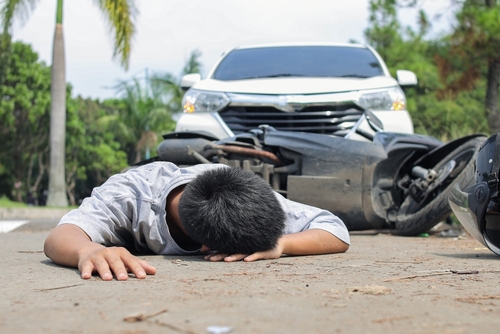
What Should a Motorcyclist Do Right After a Crash in Florida?
A motorcycle crash can leave you shaken, injured, and unsure of your next move. If you ride in Florida, knowing what to do in the minutes and hours after a collision can protect your health, preserve critical evidence, and strengthen any future injury claim. This guide walks you through the essential steps every rider should take after a motorcycle accident in Florida, from the scene of the wreck to the insurance process and beyond.
If you or a loved one was recently hurt in a motorcycle collision, Attorney Big Al at 1-800-HURT-123 is ready to help you understand your rights. Call 1-800-487-8123 or reach out online today to get started.
Prioritize Your Safety and Call for Help
The very first thing you should do after a motorcycle crash is assess yourself and anyone else involved for injuries. Move out of traffic if you can do so safely, but avoid shifting your motorcycle or other vehicles unless they pose immediate danger. Even at low speeds, motorcycle collisions can cause fractures, internal bleeding, or traumatic brain injuries that are not immediately obvious.
Call 911 immediately, regardless of how minor the crash may seem. Having law enforcement respond creates an official police report documenting the incident, including scene details, parties involved, and any citations issued. That report often becomes key evidence if you pursue an accident claim.
Get Medical Attention Without Delay
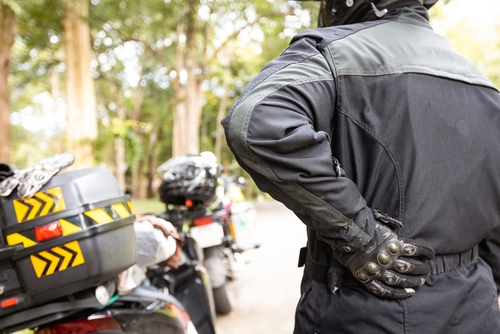
Seeking prompt medical attention is critical, even if you feel fine at the scene. Adrenaline can mask pain, and injuries such as concussions, soft tissue tears, or internal organ damage may not produce symptoms for hours or days. A medical evaluation right after the crash creates a crucial record linking your injuries directly to the accident.
Follow through on all recommended treatment and keep every medical record. Gaps in treatment can give insurance companies reason to argue your injuries were not serious or were caused by something other than the crash. Consistent documentation supports both the severity and cause of your damages.
💡 Pro Tip: Ask the emergency room or urgent care facility for copies of all imaging, discharge paperwork, and physician notes before you leave. Having your own records ensures nothing gets lost if you need to file a claim later.
Document the Scene Thoroughly
If your condition allows, gather as much evidence at the scene as possible. Take photos and videos of vehicle damage, road conditions, traffic signals, skid marks, debris, and visible injuries. Capture wide-angle shots of the intersection or roadway, plus close-ups of specific damage to your motorcycle and riding gear.
Exchange Information With All Parties
Collect the names, contact information, insurance details, and driver’s license numbers of every party involved. Write down or photograph each license plate number and vehicle details. If witnesses stopped, get their names and phone numbers, since independent witness testimony can be powerful evidence in disputed-fault situations.
Preserve Your Motorcycle and Gear
Do not repair or dispose of your motorcycle or riding equipment before consulting an attorney. Your bike and gear may contain key evidence for product liability claims involving defective parts, such as failed brake lines or defective tires. Preserving this evidence protects your ability to pursue every available avenue of compensation.
💡 Pro Tip: Store your helmet, gloves, jacket, and boots in a safe location and photograph them from multiple angles. Damage patterns on protective gear can help reconstruct how the crash occurred.
Understanding Florida’s Insurance Rules After a Motorcycle Crash
Florida’s insurance framework can be confusing for injured motorcyclists. Florida is a no-fault state, requiring drivers of cars and trucks to carry Personal Injury Protection (PIP) coverage for initial medical bills and lost wages. However, Florida law specifically excludes motorcycles from PIP requirements under F.S. §627.736, so motorcyclists cannot rely on PIP benefits after a crash. Instead, injured riders typically must file a liability claim against the at-fault driver’s insurance or rely on their own health insurance, medical payments (MedPay) coverage, or uninsured/underinsured motorist coverage.
Understanding your motorcycle accident rights under Florida law is essential before accepting any settlement or making recorded statements to an insurer.
| Step | What to Do | Why It Matters |
|---|---|---|
| 1. Report the crash | Notify your own insurer promptly | Triggers your policy benefits and preserves coverage |
| 2. Stick to the facts | Provide basic details only | Prevents statements that could be used against you |
| 3. Avoid admitting fault | Do not apologize or speculate about cause | Protects your claim under comparative negligence |
| 4. Decline recorded statements | Do not give one to the other driver’s insurer without legal counsel | Your words can be used to reduce or deny your claim |
| 5. Consult an attorney | Speak with a motorcycle injury lawyer before settling | Ensures you understand the full value of your case |
💡 Pro Tip: Florida follows a modified comparative negligence system under F.S. §768.81, as amended by HB 837 in 2023. Your compensation may be reduced by your percentage of fault, and if you are found more than 50 percent at fault, you may be barred from recovering damages entirely. Never volunteer opinions about who caused the crash to any insurance representative.
How Florida’s Helmet Law Can Affect Your Claim
Florida law allows motorcycle riders 21 and older who carry at least $10,000 in medical insurance coverage to ride without a helmet, per F.S. §316.211. While this gives adult riders a legal choice, that choice can carry consequences in civil litigation. Not wearing a helmet at the time of a crash can be raised as a defense by the opposing party, potentially reducing damages a motorcyclist recovers for head or brain injuries.
The helmet defense in Florida has been a significant issue in injury cases. Courts may consider whether the lack of a helmet contributed to or worsened specific injuries. If you were not wearing a helmet, an experienced motorcycle accident attorney can help you understand how this factor may influence your case.
💡 Pro Tip: Even if you were legally permitted to ride without a helmet, keep records of the helmet you typically use and any safety certifications it carries. This information may become relevant if helmet use is raised during litigation.
Protect Your Claim: What to Say and What to Avoid
Report the accident to your insurance company as soon as possible, but be strategic about what you share. Stick to basic facts: date, time, location, and vehicles involved. Avoid providing detailed recorded statements or admitting fault before speaking with an attorney, because insurance adjusters are trained to use your words to minimize payouts.
Be Cautious With the Other Driver’s Insurer
Avoid giving a recorded statement to the other driver’s insurance company without first consulting an attorney. Adjusters may sound friendly, but their goal is to protect their company’s bottom line. Your words can be used to argue that your injuries are less severe than claimed or that you share more fault than you actually do.
Don’t Rush Into a Settlement
Think carefully before accepting any early settlement offer, particularly if you are still receiving treatment. You may not yet know the full extent of your damages, including future surgeries, rehabilitation costs, or long-term lost earning capacity. Once you sign a release, you generally cannot go back and ask for more money, even if your condition worsens.
Why You Need a Motorcycle Accident Attorney in Florida
Motorcycle crash cases involve layers of complexity beyond a standard fender-bender. From Florida’s modified comparative negligence rules to the exclusion of motorcyclists from PIP coverage, the legal landscape demands careful navigation. An attorney with extensive experience handling motorcycle crash cases can investigate the facts, deal with insurance companies on your behalf, and help you pursue fair compensation for medical bills, lost wages, pain and suffering, and more.
💡 Pro Tip: Many riders do not realize they can pursue claims against multiple parties, including negligent drivers, vehicle manufacturers, and even government entities responsible for dangerous road conditions. A motorcycle injury lawyer in Florida can evaluate all potential sources of recovery for your situation.
Frequently Asked Questions
1. What are the first steps after a motorcycle crash in Florida?
Move to safety, call 911, and seek immediate medical attention. Document the scene by taking photos of vehicle damage, road conditions, and visible injuries. Exchange contact and insurance information with all parties, and collect witness information. Contact your own insurance company promptly, but avoid admitting fault or giving detailed statements before speaking with an attorney.
2. Can I still recover damages if I was not wearing a helmet in Florida?
Yes, but your compensation may be affected. Florida law permits riders 21 and older with at least $10,000 in medical insurance coverage to ride without a helmet. However, the opposing side can raise the lack of a helmet as a defense, and courts may reduce your damages if they find not wearing one contributed to injury severity.
3. Should I talk to the other driver’s insurance company after a motorcycle wreck?
You are not required to give a recorded statement to the other driver’s insurer. Consult with an attorney first, because adjusters may use your statements to undervalue your claim or shift blame. Let your attorney handle communications with opposing insurance companies whenever possible.
4. How long do I have to file a motorcycle accident claim in Florida?
As of 2023, Florida’s statute of limitations for most negligence-based personal injury lawsuits is two years from the date of injury, and missing this deadline can permanently bar your claim. The specific timeframe may depend on the facts of your case, including whether a government entity is involved. Consult an attorney as soon as possible to protect your rights.
5. Why is it important to preserve my motorcycle after a crash?
Your motorcycle and gear may contain critical evidence for your case. Defective components, such as brakes, tires, or lighting systems, could support a product liability claim against a manufacturer. Repairing or discarding your bike before inspection could destroy evidence that may significantly impact your claim.
Take Action to Protect Your Rights After a Florida Motorcycle Crash
Every decision you make after a motorcycle accident in Florida, from what you say to an insurance adjuster to how quickly you seek medical care, can shape the outcome of your claim. Document everything, follow your doctor’s orders, and avoid making binding decisions before you understand the full picture of your losses. The steps you take now lay the foundation for the compensation you may be entitled to receive.
Attorney Big Al at 1-800-HURT-123 has a proven track record of fighting for injured motorcyclists across South Florida. Call 1-800-487-8123 or contact us now for a conversation about your case and your options moving forward.
