
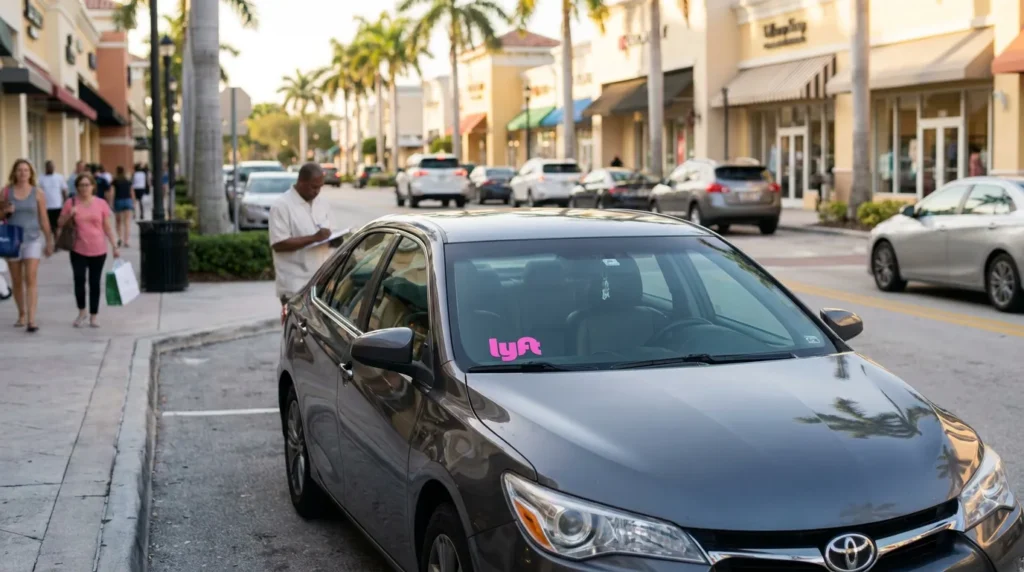
Untangling Fault and Insurance After a Florida Rideshare Collision
Key Takeaways: After a Florida rideshare crash, liability hinges on the driver’s app status at impact, which dictates whether personal policy, limited Period 1 coverage ($50k/$100k/$25k), or the $1 million active-ride tier applies. Florida law makes it difficult to hold Lyft vicariously liable because drivers are independent contractors, so claims typically focus on driver negligence and applicable insurance tiers. Personal auto insurers may legally exclude rideshare coverage, shifting the burden to the company’s TNC policy. Florida’s modified comparative fault system bars recovery if you are more than 50 percent at fault, making thorough documentation essential. Securing app log-on records is critical since those timestamps establish which coverage period was active. Acting promptly to preserve evidence and consulting counsel positions injured parties to pursue full compensation.
Liability is rarely simple because Florida’s rideshare statutes create layered insurance obligations and limit when the company can be held directly responsible. If you were hurt as a passenger, motorist, cyclist, or pedestrian, understanding these rules protects your right to recover. This guide breaks down how fault and coverage work for a potential lyft accident lawsuit.
If you have questions about your specific situation, reach out to Attorney Big Al at 1-800-HURT-123, call 1-800-487-8123 for a free consultation, or contact us now to discuss your next steps.
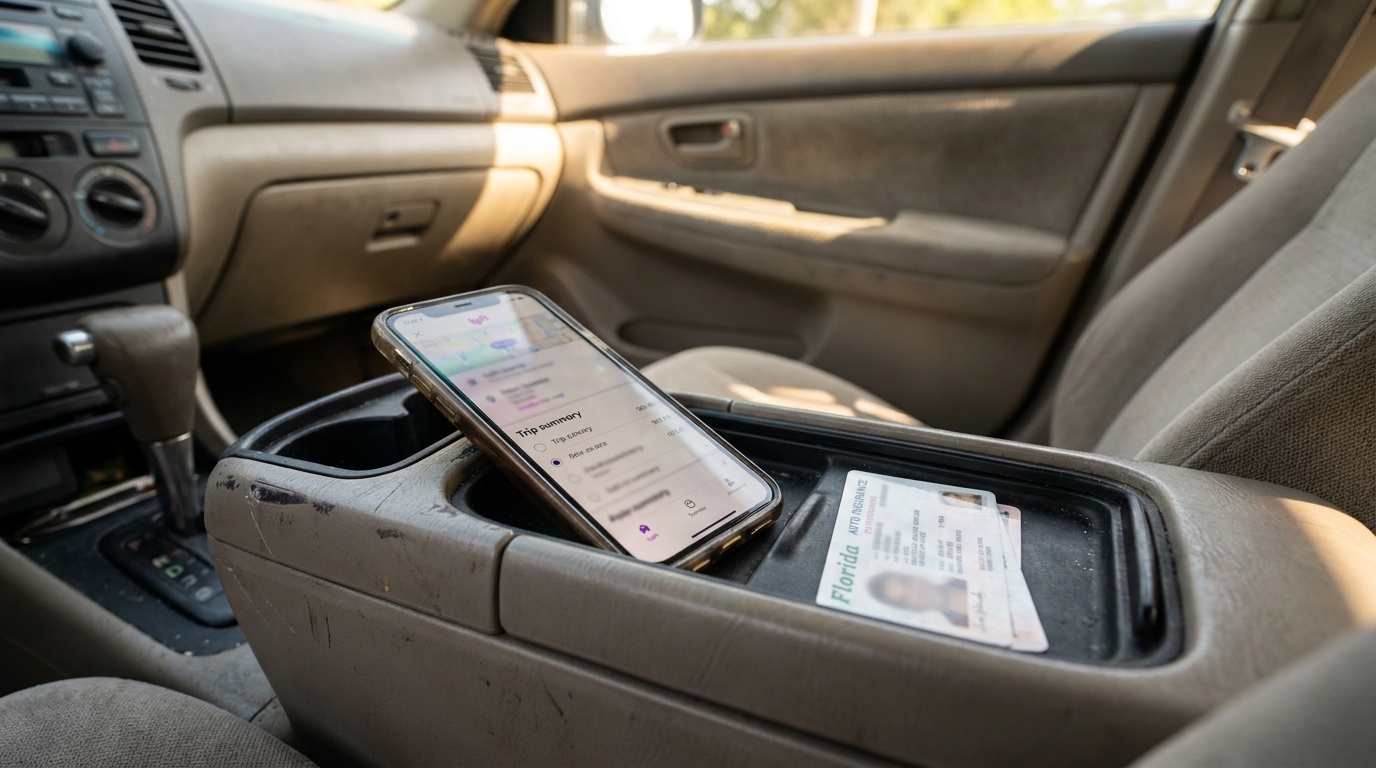
💡 Pro Tip: Screenshot the Lyft app, driver’s profile, and ride receipt immediately after a crash. This timestamped data establishes which insurance phase was active at collision.
Why the Driver’s App Status Controls Coverage
The single most important factor in any Florida rideshare crash lawsuit is what the driver was doing in the app at impact. Coverage shifts dramatically across three phases, and available insurance can change by hundreds of thousands of dollars depending on timing. Florida law divides rideshare driving into distinct periods, each with its own coverage rules.
These phases generally break down as follows:
- Offline: Driver not logged on, so only personal auto policy applies.
- Period 1 (app on, waiting for request): Limited rideshare coverage applies. Lyft provides up to $50,000 per person and $100,000 per accident for bodily injury, plus $25,000 for property damage.
- Periods 2 and 3 (ride accepted or passenger on board): Highest coverage tier applies.
Florida statute confirms these coverage minimums. Under Fla. Stat. § 627.748(7)(b)(1)(a), when a driver is logged on but not yet on a prearranged ride, the policy must provide at least $50,000 per person, $100,000 per incident, and $25,000 for property damage. Once a ride is accepted or in progress, Fla. Stat. § 627.748(7)(c)(1)(a) requires at least $1 million in primary liability coverage. These figures explain why pinning down driver status is central to any Lyft insurance claim in Florida.
When Personal Auto Insurance Disappears
Many crash victims are surprised to learn that a Lyft driver’s personal car insurance may provide nothing during a ride. Florida law expressly allows personal auto insurers to exclude rideshare coverage. Under Fla. Stat. § 627.748(8)(b)(1), an insurer may exclude any coverage under the policy for any loss that occurs while the driver is logged on or providing a prearranged ride. This means liability, uninsured motorist, PIP, and collision coverage can all vanish the moment the driver goes "on the clock."
When an insurer excludes rideshare coverage, Fla. Stat. § 627.748(8)(c)(1) provides it has no duty to defend or indemnify the excluded claim. The burden shifts to the rideshare company’s TNC policy. You can review the underlying framework in the Florida rideshare insurance law governing these arrangements.
💡 Pro Tip: Do not accept an early statement that "there is no coverage" at face value. Coverage gaps created by personal policy exclusions are often filled by the company’s higher-limit policy during active ride periods.
Is Lyft or the Driver Responsible in a Lyft Accident Lawsuit
Determining whether the company or driver bears responsibility turns on legal classification and activity scope. Florida law makes it harder to hold Lyft vicariously liable because of how the relationship is defined. Under Fla. Stat. § 627.748(1)(e), a transportation network company is not deemed to own, control, operate, or manage TNC vehicles or drivers that connect to its digital network, except where agreed by written contract. This limits vicarious liability claims, though it does not automatically bar direct-negligence theories such as negligent hiring.
Driver classification reinforces this limitation. Under Fla. Stat. § 627.748(9), a driver is treated as an independent contractor if the company does not prescribe specific hours, does not prohibit working for other rideshare apps, does not restrict other employment, and confirms independent contractor status in writing. A successful claim often focuses on driver negligence and the applicable insurance tier rather than direct corporate fault.
Important exceptions remain. If a personal policy lapses or fails to provide required coverage, Fla. Stat. § 627.748(7)(d) requires the company’s insurance to cover claims from the first dollar and defend the claim. This safety net matters when a rideshare driver’s negligence leaves an injured party without an obvious recovery source.
How Comparative Fault Can Reduce or Bar Recovery
Florida’s modified comparative fault system can significantly affect recovery. Your own share of responsibility reduces damages, and crossing a key threshold eliminates recovery entirely. Fla. Stat. § 768.81(6) provides that any party found greater than 50 percent at fault may not recover damages. This applies to negligence claims by passengers, other drivers, and third-party claimants. You can read broader negligence provisions within Florida’s statutory chapter on civil liability.
Careful documentation matters. Insurers frequently raise comparative fault to shrink payouts, so preserving evidence of the other party’s negligence protects your claim. Courts consider factors such as speed, distraction, and right-of-way when allocating fault.
💡 Pro Tip: Decline to give a recorded statement to an adjuster before speaking with counsel. Casual admissions can later inflate your share of comparative fault.
Why the App Log and Disclosure Records Matter
The data Lyft keeps about when a driver was logged on can make or break a rideshare crash lawsuit. This information determines which insurance tier applies. Under Fla. Stat. § 627.748(8)(d), in a claims coverage investigation the company must immediately provide, upon request by a directly involved party or any insurer of the TNC driver (if applicable), the precise times the driver logged on and off the digital network in the 12-hour period immediately preceding and in the 12-hour period immediately following the accident.
The law also requires written warnings to drivers. Before accepting a ride, Fla. Stat. § 627.748(8)(a) requires the company to disclose coverage types and limits it provides and warn that personal policies might not apply while logged on. Our Lyft accident settlement guide explains how these records influence claim value.
| App Status | Coverage Source | Approximate Limits |
|---|---|---|
| Offline | Personal auto policy | Policy-dependent |
| Period 1 (waiting) | TNC policy | $50k/$100k/$25k |
| Periods 2 & 3 (ride active) | TNC policy | $1 million |
Practical Steps to Protect Your Claim
Taking the right actions early preserves both evidence and leverage in a Lyft accident lawsuit. Florida’s rules reward those who document thoroughly and act promptly. Fla. Stat. § 768.091(1) limits employer liability for ridesharing arrangements unless the vehicle is employer-owned or the employee was acting within employment scope. A knowledgeable Lyft accident attorney Florida can evaluate which parties and policies may be liable.
Consider these protective measures after a crash: seek prompt medical care to document causation, photograph the scene and vehicles, gather witness contact information, and preserve every ride screenshot. These steps strengthen the damages record and help counter comparative fault arguments.
Frequently Asked Questions
1. Can I sue Lyft directly after a Florida crash?
Direct claims against Lyft are limited by statute. Under Fla. Stat. § 627.748(1)(e), the company generally is not deemed to control its drivers, restricting vicarious liability. Claims often focus on driver negligence and applicable insurance tiers, although direct-negligence theories like negligent hiring may be explored on the right facts.
2. What if the driver’s personal insurance denies my claim?
A denial is not the end. If a personal policy excludes rideshare activity or has lapsed, Fla. Stat. § 627.748(7)(d) may require the company’s policy to respond from the first dollar during covered periods.
3. How much insurance applies if the driver had a passenger?
The highest coverage tier applies during an active ride. Fla. Stat. § 627.748(7)(c)(1)(a) requires at least $1 million in primary liability coverage while a prearranged ride is in progress.
4. Will my own fault reduce my recovery?
Yes, and it may bar recovery entirely. Under Fla. Stat. § 768.81(6), a party found more than 50 percent at fault cannot recover damages, and lesser fault reduces the award proportionally.
5. Why does the app log-on time matter so much?
Those timestamps determine which insurance applies. Fla. Stat. § 627.748(8)(d) requires, in a claims coverage investigation and upon request by a directly involved party or any insurer of the TNC driver (if applicable), that the company provide the log-on and log-off times in the 12-hour periods immediately before and after the crash, clarifying whether corporate coverage was active.
Bringing the Pieces Together
Liability after a Florida rideshare crash depends on driver app status, applicable insurance tier, statutory limits on corporate responsibility, and comparative fault. In many cases, driver negligence and the company’s TNC policy drive recovery, while claims seeking to hold Lyft itself responsible face statutory hurdles. Because these rules are fact-sensitive, claim strength turns on careful documentation and understanding which coverage period applied.
You do not have to sort through these overlapping rules alone. For trusted guidance on your potential claim, reach out to Attorney Big Al at 1-800-HURT-123, call 1-800-487-8123 today, or schedule your free consultation to learn how to protect your right to recovery.
