

Understanding How Florida Regulators Protect Nursing Home Residents
Key Takeaways: The Agency for Health Care Administration (AHCA) licenses, inspects, and disciplines Florida nursing homes when families raise concerns about resident care. After a complaint, AHCA investigates facilities, conducts inspections under Section 400.19, and imposes penalties from fines to license revocation under FL §§ 400.102 and 400.121. Suspected abuse triggers mandatory reporting and a protective investigation beginning within 24 hours. The complaint process often starts with facility grievance procedures, though families can contact state authorities directly when safety is at risk. An AHCA administrative complaint and a civil personal injury claim under FL § 400.023 are separate paths that can run in parallel, since regulatory penalties do not compensate injured residents. Knowing these options, preserving evidence early, and acting promptly help families protect loved ones and demand accountability.
The Agency for Health Care Administration, known as AHCA, is the state body that licenses, inspects, and disciplines Florida nursing homes when residents or families raise concerns about care. When you file a grievance, AHCA investigates whether a facility violated state standards and can impose penalties ranging from fines to license revocation. For families in Hollywood and across Broward County, understanding AHCA’s role clarifies what happens after a complaint is filed and where a civil claim may fit. The administrative process and a personal injury lawsuit are distinct paths that can run in parallel.
Whether you suspect neglect, abuse, or unsafe conditions, knowing how nursing home complaints Florida regulators handle these matters can help protect a loved one. If you believe a resident has been harmed, Attorney Big Al at 1-800-HURT-123 is ready to listen. Call 1-800-487-8123 or reach out through our contact page to discuss your situation today.
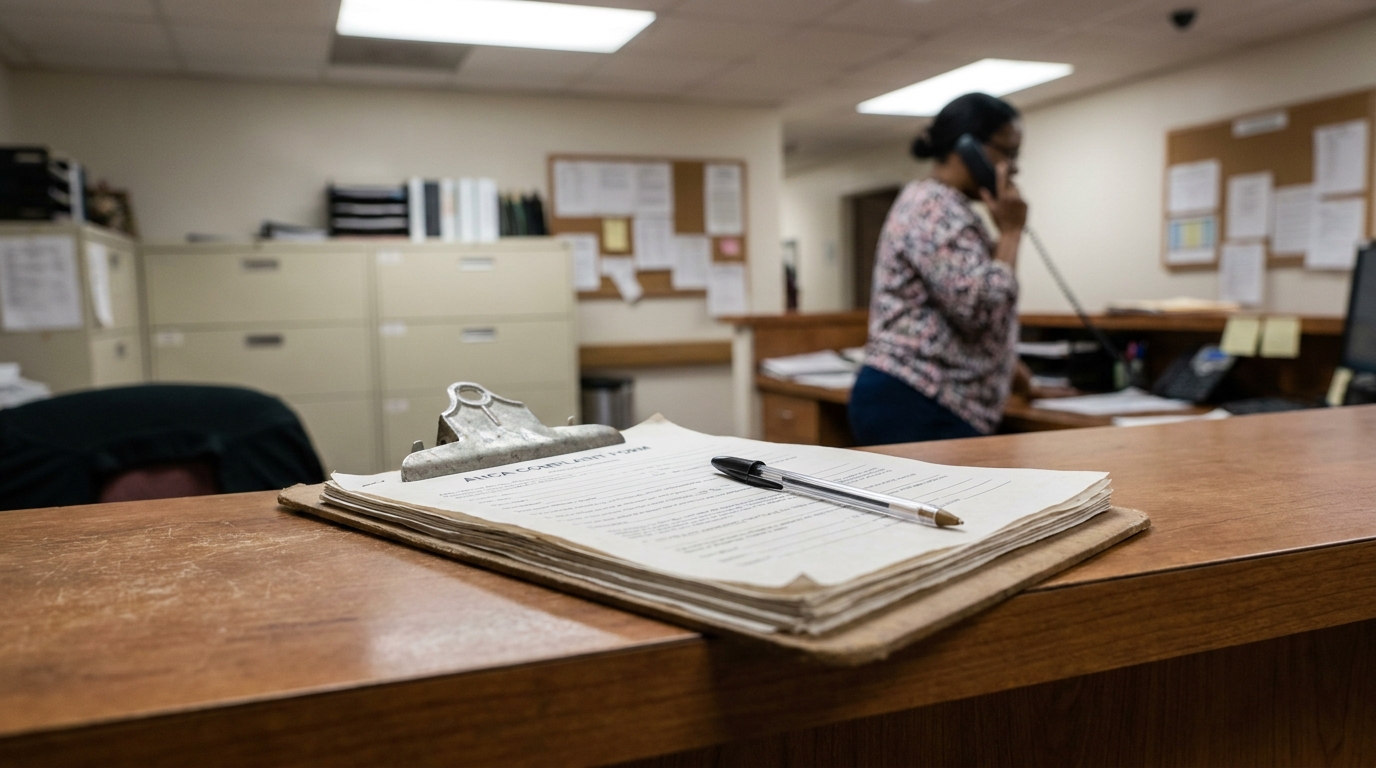
What AHCA Actually Does in the Complaint Process
AHCA serves as the primary regulator with broad authority over nursing home operations in Florida. Under state law, the agency adopts and enforces rules governing facility conditions, staffing qualifications, sanitation, equipment, resident care quality, and emergency planning. This power comes from FL § 400.23(2), Florida Statutes, which grants AHCA authority in consultation with the Department of Health and the Department of Elderly Affairs. A single complaint can trigger a wide-ranging review.
The agency holds enforcement tools that give investigations real consequences. AHCA can take action against a licensee under FL § 400.102 when deficiencies are found. It may deny, suspend, or revoke a license and impose administrative fines under FL § 400.121, including orders to increase staffing when statutory criteria are met. The full statutory framework appears in the Florida nursing home statutes in Chapter 400.
💡 Pro Tip: Keep a written timeline of dates, names, and specific incidents before you file. Detailed records generally make an AHCA complaint Florida investigation more focused and easier to substantiate.
How the Florida Nursing Home Complaint Process Begins
The Florida nursing home complaint process often starts internally before reaching a state agency. Section 400.1183 requires nursing homes to maintain resident grievance procedures, creating an internal resolution option before escalation. Many families begin there, but you are not required to do so and may contact state authorities directly, especially if the situation appears urgent or dangerous.
Florida law ensures residents know their rights and how to act on them. Under FL § 400.022(2), a facility must provide every resident or legal representative a written statement of rights at or before admission. That statement must note, in boldfaced type, that a resident may file a complaint with the agency or the state or local ombudsman council and must include contact details for the State Long-Term Care Ombudsman Program and the Elder Abuse Hotline.
Posting requirements reinforce transparency throughout the building. Under FL § 429.28(2), assisted living facilities (ALFs) must post in a prominent place a written notice that includes the statewide toll-free telephone number and e-mail address of the State Long-Term Care Ombudsman Program, the telephone number of the local ombudsman council, the Elder Abuse Hotline operated by the Department of Children and Families, and, if applicable, Disability Rights Florida. The anti-retaliation prohibition is set out in FL § 429.28(5); nursing home resident rights are primarily governed by FL § 400.022. If you suspect a facility is punishing a resident for speaking up, that conduct itself may violate Florida law.
For a detailed walkthrough of the steps involved, our guide on filing nursing home complaint Florida explains the process in plain language.
When Abuse Triggers a Mandatory State Investigation
Suspected abuse of a vulnerable adult sets off a faster, legally required response. Florida law mandates that nursing home staff, healthcare professionals, law enforcement, and social workers who know or reasonably suspect abuse, neglect, or exploitation immediately report it to the central abuse hotline under FL § 415.1034(1). This duty helps ensure serious concerns reach investigators quickly.
Once a report is received, the clock starts almost immediately. Under FL § 415.104(1), the Department of Children and Families must begin a protective investigation within 24 hours of receiving a report alleging abuse, neglect, or exploitation of a vulnerable adult. This strict timeline means families who report serious harm can generally expect prompt action from state agencies.
These investigations are directly linked to AHCA’s regulatory side. When a protective investigation gives reasonable cause to believe a facility employee is the alleged perpetrator, FL § 415.1055 requires the department to notify AHCA’s Division of Health Quality Assurance in writing. The relevant reporting duties appear in the Florida adult protective services statutes.
💡 Pro Tip: If you report suspected abuse, ask for a reference or case number when you call the hotline. Having that identifier can help you follow up and confirm that a Florida nursing home investigation is underway.
AHCA’s Inspection and Enforcement Powers
Right of entry is one of AHCA’s most important investigative tools. Section 400.19 grants AHCA the authority to enter and inspect nursing homes, which is the statutory basis for complaint-driven surveys and inspections. A complaint can lead to an unannounced visit where surveyors review records, observe care, and interview staff and residents.
The agency can also address building and safety hazards during these visits. Under FL § 400.23(2)(a), AHCA may enforce Florida Building Code and Fire Prevention Code special-occupancy provisions and require alterations when an existing condition constitutes a distinct hazard to life, health, or safety.
Here is a simplified look at how administrative and civil pathways compare:
| Feature | AHCA Administrative Process | Civil Personal Injury Claim |
|---|---|---|
| Governing authority | FL §§ 400.102, 400.121 | FL § 400.023 |
| Primary goal | Regulatory compliance and penalties | Compensation for the injured resident |
| Who acts | State agency | Resident or legal representative |
| Possible outcome | Fines, license action | Monetary damages, subject to proof |
Public resources can help you evaluate a facility before or after a complaint. Under FL § 400.191(2), AHCA publishes a Nursing Home Guide quarterly that includes a Watch List identifying facilities with conditional licensure status or operating under bankruptcy protection. The Watch List is posted online and the electronic data is updated daily.
Where a Civil Claim Fits Alongside AHCA
An AHCA complaint and a civil lawsuit are separate legal avenues that can move at the same time. Section 400.023 provides for civil enforcement of nursing home standards, offering a path beyond AHCA’s administrative complaint process. An administrative penalty against a facility does not directly compensate an injured resident, which is why many families also explore a civil claim.
Florida law requires coordination between the two tracks. Under FL § 400.023(8), a resident or legal representative must serve a copy of any complaint alleging a violation of resident rights on AHCA at the time of filing the initial complaint with the clerk of the court. For background on how these reforms shaped litigation, the analysis of Florida’s nursing home reform law offers helpful context.
Civil claims generally turn on proving negligence, causation, and damages. A nursing home abuse Florida attorney can evaluate whether a facility’s conduct fell below the standard of care and how that caused harm. Outcomes depend on the facts, evidence preserved, and applicable deadlines, so timing matters. A knowledgeable nursing home neglect lawyer Florida families trust can assess whether a claim is viable.
Common situations that lead families to pursue both paths include:
- Unexplained injuries, falls, or pressure wounds
- Signs of malnutrition, dehydration, or poor hygiene
- Medication errors or untreated infections
- Retaliation after a resident or family voiced concerns
💡 Pro Tip: Preserve photographs, care plans, and medical records as soon as you notice a problem. Evidence collected early is generally far stronger than recollections gathered months later.
Frequently Asked Questions
1. What does AHCA do after I file a complaint?
AHCA reviews the complaint and may investigate the facility. It can conduct inspections under Section 400.19 and, if violations are found, impose fines or license actions under FL §§ 400.102 and 400.121.
2. Is an AHCA complaint the same as a lawsuit?
No, these are distinct processes. An AHCA complaint is administrative and focuses on regulatory compliance, while a civil claim under FL § 400.023 seeks compensation for an injured resident. They can proceed simultaneously.
3. How quickly will the state respond to abuse reports?
Abuse reports trigger a fast statutory timeline. Under FL § 415.104(1), a protective investigation must begin within 24 hours of a report.
4. Can a facility retaliate against a resident who complains?
Florida law prohibits retaliation. Under FL § 429.28(5), assisted living facilities (ALFs) and their employees are prohibited from taking retaliatory action against any person who exercises any resident right set forth in that section; nursing home resident rights are primarily governed by FL § 400.022. If you suspect retaliation, document it and consider seeking legal guidance.
5. Do I have to use the facility’s internal grievance process first?
Not always. Section 400.1183 requires facilities to maintain grievance procedures, but you may contact state authorities directly when safety is at risk.
Protecting Your Loved One Starts With Knowing Your Options
AHCA plays a central role in licensing, inspecting, and disciplining facilities, but it is one part of a larger system. Between mandatory abuse reporting, 24-hour protective investigations, and the agency’s enforcement powers, Florida law gives families several tools to demand accountability. A civil claim under Section 400.023 may also provide a path to compensation when a resident is harmed. Prompt action and careful record-keeping generally make a meaningful difference.
If you are weighing your options after suspected neglect or abuse, you do not have to sort through it alone. Contact Attorney Big Al at 1-800-HURT-123 to discuss how nursing home complaints Florida residents file may relate to a potential injury claim. Call 1-800-487-8123 now or schedule a consultation online to protect your family’s rights today.
