
No Coverage, Still Hurt? Your Right to Recover in Florida
Key Takeaways: Even if you were uninsured, you can generally recover economic damages in Florida when another driver caused your crash, because your lack of insurance does not erase their negligence. Without Personal Injury Protection, your recovery shifts to the at-fault driver’s liability coverage through a tort claim, making documentation of fault and losses essential. Florida law defines recoverable economic damages under Fla. Stat. § 768.81(1)(b) to include medical expenses, lost income, property damage, and future care costs. Your recovery can be reduced or barred by comparative negligence, a victim found more than 50 percent at fault may recover nothing. Additional compensation may come from vehicle owners or lessors in rental situations, up to $500,000 in economic damages. Because firm filing deadlines apply, acting promptly protects your right to recover.
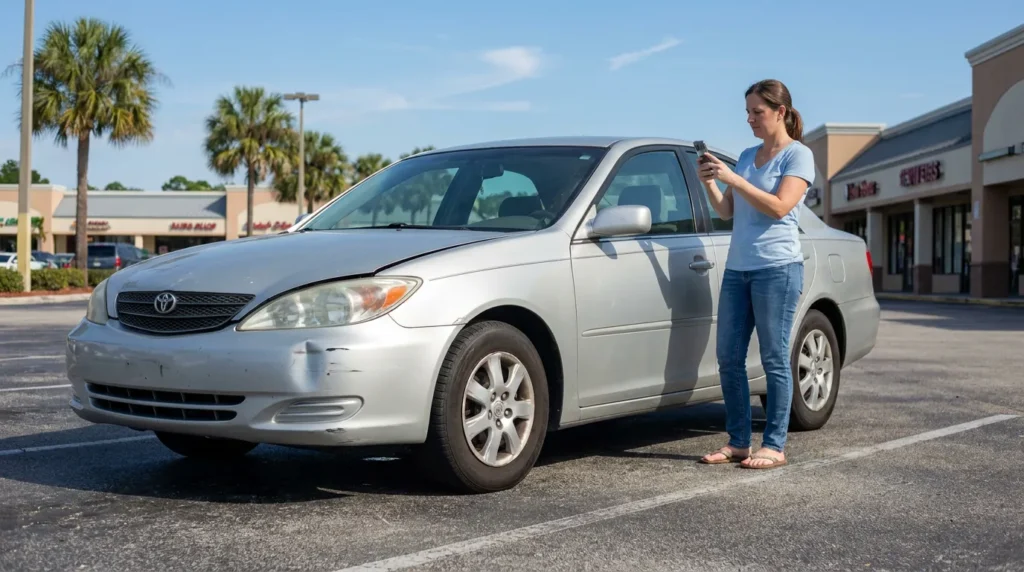
If you were driving without insurance and someone else caused your crash, you can generally still pursue compensation for your economic losses in Florida. Being uninsured does not strip you of the right to hold a negligent driver accountable. Your recovery shifts to the at-fault driver’s liability coverage through a tort claim.
Understanding your options early can make the difference between a denied claim and a fair result. If you are asking what happens if you have no insurance but the other driver was at fault, reach out to Attorney Big Al at 1-800-HURT-123, call 1-800-487-8123, or request your free consultation to learn how Florida law may apply to your situation.
What Happens If You Have No Insurance but the Other Driver Was at Fault
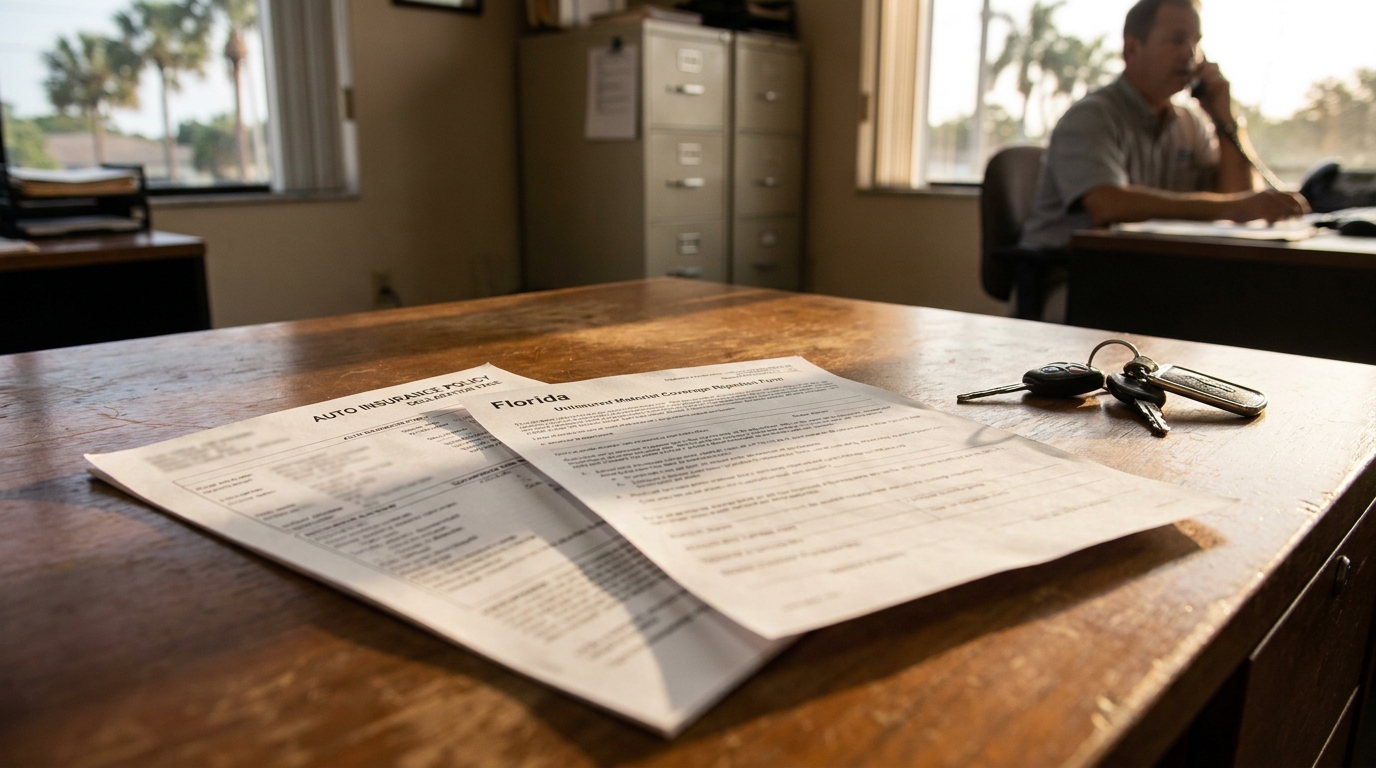
When another driver causes your crash, your lack of insurance does not erase their negligence. Florida operates under the Florida Motor Vehicle No-Fault Law, which requires every registered vehicle owner to carry Personal Injury Protection coverage. Without PIP, the State may suspend your license and vehicle registration.
Without PIP, you have no first-party coverage for initial medical bills, so your entire economic recovery burden shifts to the at-fault driver’s liability coverage through a tort claim. This makes documenting the other driver’s fault and your losses especially important. Administrative penalties for lacking PIP are handled separately from your civil injury lawsuit and do not bar that lawsuit.
💡 Pro Tip: Keep every crash-related document in one place, police report, medical records, repair estimates, and pay stubs. Clear documentation is the backbone of a strong Florida car crash claim.
The Tort Threshold and Your Economic Losses
Florida’s no-fault framework limits certain pain-and-suffering damages, but economic damages stand on separate footing. Under Fla. Stat. § 627.737(2), a person may recover noneconomic damages in tort against the at-fault driver only when the injury consists of significant and permanent loss of an important bodily function, permanent injury within a reasonable degree of medical probability, significant and permanent scarring or disfigurement, or death. That threshold applies to noneconomic damages, while economic damages such as medical bills and lost wages remain separately recoverable. For more on coverage layers, review this guide to uninsured motorist coverage in Florida.
Economic Damages Florida Law Lets You Claim
Florida provides a broad statutory definition of economic damages you may seek from an at-fault driver. Under Fla. Stat. § 768.81(1)(b), economic damages means past and future lost income, medical and funeral expenses, lost support and services, replacement value of lost personal property, loss of appraised fair market value of real property, costs of construction repairs, and any other economic loss that would not have occurred but for the injury. These categories, defined within Florida’s negligence damages law, cover much of what a crash victim actually loses.
Common economic damages in an auto crash claim include:
- Past and future medical expenses tied to your injuries
- Lost income and diminished future earning capacity, reduced to present value
- Replacement value of personal property, such as your vehicle’s contents
- Vehicle repair costs and related out-of-pocket expenses
- Lost support and services you can no longer perform
Florida also caps medical treatment recovery at amounts actually paid or genuinely owed. Under Fla. Stat. § 768.0427(4), recoverable medical damages may not exceed amounts actually paid by or on behalf of the claimant, amounts necessary to satisfy charges that are due and owing but not yet satisfied, and amounts necessary to provide for reasonable and necessary future medical treatment. Inflated or unpaid billed amounts beyond these limits generally are not recoverable.
💡 Pro Tip: Ask providers for itemized statements showing what was billed, paid, and still owed. These records help align your medical claim with Florida law.
How Itemized Verdicts Work
When a Florida jury awards damages, it must separate your losses into defined categories. Under Fla. Stat. § 768.77(1), the trier of fact shall itemize amounts awarded to the claimant into: economic losses, noneconomic losses, and punitive damages if applicable. This transparency shows exactly what your economic recovery reflects.
Punitive damages are treated differently and are rarely part of ordinary crash claims. Under Fla. Stat. § 768.72(2), a defendant may be held liable for punitive damages only if the trier of fact finds intentional misconduct or gross negligence based on clear and convincing evidence. Most negligence cases turn on compensatory economic and noneconomic losses.
How Fault Can Shrink or Erase Your Recovery
Florida’s modified comparative negligence rule is one of the most important limits for uninsured crash victims. Under Fla. Stat. § 768.81(6), any party found greater than 50 percent at fault for their own harm may not recover any damages. If you are found 51 percent or more responsible, you may be barred entirely.
If you share some blame but stay at or below that line, your damages are reduced rather than eliminated. Under Fla. Stat. § 768.81(2), contributory fault chargeable to the claimant diminishes proportionately the amount awarded as economic and noneconomic damages, but does not bar recovery, subject to subsection (6). A victim found 20 percent at fault may generally recover 80 percent of proven damages.
| Your Share of Fault | General Effect on Recovery |
|---|---|
| 0% to 50% | Damages reduced proportionally, recovery still allowed |
| 51% or more | Recovery generally barred entirely |
Collateral source rules can also affect the final amount you take home. Fla. Stat. § 768.76 addresses how certain outside sources of indemnity may be set off against an award, though sources with a right of subrogation or reimbursement are generally not deducted.
💡 Pro Tip: Avoid admitting fault at the scene or to an adjuster before speaking with counsel. Comparative fault arguments are a common defense tactic.
Extra Money From Vehicle Owners and Lessors
When a rented or loaned vehicle is involved, Florida may extend economic-damages liability to the vehicle’s owner or lessor. For short-term rentals under Fla. Stat. § 324.021(9)(b), if the lessee or operator is uninsured or has insurance with limits less than $500,000 combined property damage and bodily injury liability, the lessor shall be liable for up to an additional $500,000 in economic damages only arising out of the use of the motor vehicle. These vehicle owner liability rules can open an additional path to compensation. However, the federal Graves Amendment generally bars vicarious liability claims against commercial rental companies absent their own negligence.
A similar rule applies when a person loans a vehicle to an uninsured driver. In that situation, the owner shall be liable for up to an additional $500,000 in economic damages only. Any recovery is reduced by amounts already collected from the driver or their insurance. These caps limit only the owner’s vicarious liability and do not shield an owner from liability for their own negligence.
Deadlines and Documentation That Protect Your Claim
Timing matters, because Florida sets firm deadlines for filing negligence lawsuits. Missing the civil statute of limitations can end an otherwise strong case. For most auto-negligence claims accruing on or after March 24, 2023, that deadline is generally two years. Courts interpret extensions narrowly, so acting promptly is wise.
Wrongful death claims involve their own economic damage categories when a crash proves fatal. Under Fla. Stat. § 768.21, recoverable losses may include the value of lost support and services from the date of injury to death, with interest, and future loss of support and services reduced to present value. Survivors who paid medical or funeral costs, and the estate’s lost prospective net accumulations, may also be recoverable.
Because every crash is different, working with a plaintiff-focused team can help you document and pursue the full value of your losses. Learn more by visiting the firm’s page on Auto Accidents in Florida.
💡 Pro Tip: Do not wait for bills to pile up before seeking guidance. Early legal review helps preserve evidence.
Frequently Asked Questions
-
Can I recover anything if I had no insurance during the crash?
Generally, yes, if another driver was at fault. Your lack of insurance does not erase their negligence, though it may expose you to administrative penalties like license suspension, which are handled separately from your civil claim.
-
What economic damages are typically available to an uninsured victim?
Florida law recognizes medical expenses, lost income, property damage, and future care costs, subject to caps in Fla. Stat. § 768.0427(4). The exact amount depends on documented losses.
-
Does being partly at fault stop me from recovering?
Not unless you are more than 50 percent at fault. Under Fla. Stat. § 768.81(6), a victim found greater than 50 percent responsible may recover nothing. Below that line, damages are reduced proportionally.
-
Can I get money from the vehicle’s owner if the driver was uninsured?
Possibly, in rental and loaned-vehicle situations. Fla. Stat. § 324.021(9)(b) allows up to an additional $500,000 in economic damages from certain owners or lessors, though the federal Graves Amendment often limits claims against commercial rental companies.
-
How long do I have to file a claim in Florida?
Florida sets a civil statute of limitations for negligence claims, generally two years for auto claims accruing on or after March 24, 2023. Deadlines vary based on facts, so prompt action is important.
Turning a Tough Situation Into a Strong Claim
Being uninsured when another driver hurts you is stressful, but Florida law still offers meaningful paths to recover your economic losses. Between the statutory definition of economic damages, extended owner liability in rental situations, and comparative fault rules that reduce rather than always eliminate recovery, an uninsured victim often has more options than expected. The key is understanding what happens if you have no insurance but the other driver was at fault and building your claim on solid documentation.
You do not have to navigate these rules by yourself. Connect with Attorney Big Al at 1-800-HURT-123, call 1-800-487-8123, or contact the team today to discuss how Florida law may support your recovery after a crash.
