
Florida’s Slip and Fall Law May Still Protect You
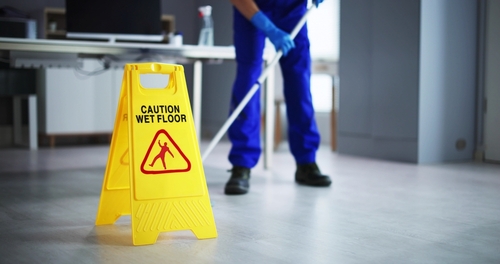
Slipping on a wet floor in a Florida store can leave you injured, overwhelmed, and wondering if you have any legal recourse – especially when the store claims they had no idea about the hazard. You might think your case is hopeless if the business says they didn’t know about the spill, but Florida law recognizes that stores can still be held responsible even without direct knowledge of the dangerous condition. Understanding how Florida’s premises liability statute works, particularly the concept of "constructive knowledge," could make the difference between recovering compensation for your injuries or walking away empty-handed.
???? Pro Tip: Document everything immediately after your fall – take photos of the spill, your injuries, and the surrounding area. Even if the store claims ignorance, this evidence can prove how long the hazard existed.
Turn the tide in your slip and fall case with the guidance of Attorney Big Al at 1-800-HURT-123. If you’ve been caught in the aftermath of an unnoticed spill, let us help you uncover the evidence needed to recover what you deserve. Don’t hesitate to reach out at +1 888-897-2108 or contact us today!
Understanding Your Legal Rights with a Premise Liability Attorney in Florida
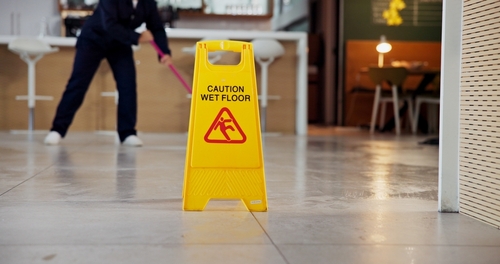
Under Florida Statute 768.0755, you don’t need to prove the store actually knew about the spill that caused your fall. The law allows you to establish "constructive knowledge" – meaning the store should have known about the dangerous condition based on how long it existed or how often similar conditions occur. A skilled premise liability attorney in Florida can help you gather the circumstantial evidence needed to prove your case, such as surveillance footage showing how long the spill was present, witness statements about the store’s cleaning practices, or evidence that spills happen regularly in that area of the store.
The burden of proof rests on you as the injured party, which means you’ll need to demonstrate that the business establishment had either actual or constructive knowledge of the dangerous condition. This legal standard, established in the Florida slip and fall statute 768.0755, doesn’t eliminate the common-law duties that businesses owe to their customers – it simply clarifies what you must prove to win your case. Many accident victims don’t realize they can still pursue compensation even when the store denies knowledge of the hazard.
???? Pro Tip: Look for security cameras near where you fell – most retail stores have extensive surveillance systems that can show how long a spill existed before your accident.
The Critical Timeline for Building Your Slip and Fall Case
Time is your enemy in slip and fall cases, both in terms of evidence preservation and legal deadlines. The sooner you act after your accident, the stronger your case becomes. Working with a premise liability attorney in Florida immediately after your fall ensures crucial evidence isn’t lost or destroyed, witnesses can be interviewed while memories are fresh, and your injuries are properly documented from the start. Here’s what typically happens in the days and weeks following your store slip and fall accident:
- Within 24-48 hours: Report the incident to store management and seek medical treatment, even for seemingly minor injuries that could worsen over time
- First week: Your attorney sends a preservation letter demanding the store save all surveillance footage, incident reports, and cleaning logs – critical evidence that stores often delete after 30 days
- First month: Witness statements are collected, including from other shoppers who saw the spill or employees who might have knowledge about cleaning schedules
- 2-6 months: Expert analysis of the evidence determines how long the spill existed and whether the store followed proper safety protocols
- Before two years: Your lawsuit must be filed due to Florida’s statute of limitations for negligence claims
???? Pro Tip: Request a copy of the store’s incident report before you leave the premises – some stores have policies requiring report completion within hours of an accident, and getting your copy ensures accuracy.
How Attorney Big Al Can Help Prove Your Florida Slip and Fall Case
Proving constructive knowledge requires more than just saying a spill existed – you need evidence showing the hazard was present long enough that reasonable store employees should have discovered and cleaned it. Attorney Big Al at 1-800-HURT-123 understands the specific evidence needed to meet Florida’s legal standards, including maintenance logs that reveal cleaning schedule gaps, testimony from former employees about inadequate safety procedures, and expert witnesses who can testify about industry standards for hazard detection and removal. The firm’s experience with retail store premises liability lawsuits means they know exactly where to look for the evidence that proves your case.
Many stores try to avoid liability by claiming they inspect floors regularly and had no knowledge of any spill. However, a thorough investigation often reveals a different story – perhaps security footage shows an employee walking past the spill without addressing it, or cleaning logs show extended gaps between floor inspections during busy shopping hours. By working with a premise liability attorney in Florida who knows how to uncover this evidence, you transform a seemingly impossible case into a winnable claim for compensation.
???? Pro Tip: Ask witnesses for their contact information at the scene – shoppers who saw you fall or noticed the spill earlier can provide crucial testimony about how long the hazard existed.
The Hidden Evidence That Wins "Unknown Spill" Cases
Successful slip and fall cases often hinge on evidence the store never expects you to find. When stores claim ignorance about spills, a premise liability attorney in Florida knows to dig deeper into operational records and patterns that reveal the truth. Shift change logs might show understaffing during your accident, making it impossible for employees to maintain safe conditions. Purchase records could reveal the store bought cheaper cleaning products that leave floors dangerously slick. Even employee training materials – or the lack thereof – can demonstrate the store’s failure to prepare staff for hazard prevention.
Technology That Captures What Stores Won’t Admit
Modern retail stores bristle with technology that can help or hurt your case. Beyond security cameras, many stores use "smart" floor mats that track foot traffic patterns, helping establish how many people walked through the spill area before your fall. Some stores even have moisture detection systems they’ve disabled to save money – a fact that only emerges through aggressive discovery. Point-of-sale data can show whether the store was too busy to maintain safe conditions, while employee badge swipes reveal whether anyone was assigned to floor safety during your accident.
???? Pro Tip: Check if the store has a mobile app – many retail apps track your location in-store and could provide timestamped proof of where and when your accident occurred.
Common Store Defenses and How to Overcome Them
Retail stores and their insurance companies have standard playbooks for defending against slip and fall claims, but understanding their tactics helps you and your attorney prepare winning counter-arguments. When stores claim they couldn’t have known about a spill, they’re often relying on incomplete or manipulated evidence. For instance, they might produce a cleaning log showing an inspection 30 minutes before your fall, conveniently ignoring that spills can occur anytime and that their inspection procedures may be inadequate for high-traffic areas where you’ll need to consult a lawyer experienced in challenging these defenses.
The "Open and Obvious" Defense Rarely Works in Spill Cases
Some stores try claiming the spill was "open and obvious" and you should have avoided it, but this defense typically fails for liquid spills that can be nearly invisible on certain flooring. Florida law recognizes that shoppers have a right to assume floors are safe for walking and shouldn’t have to constantly scan for hazards while shopping. Your premise liability attorney in Florida can effectively counter this defense by showing that even obvious spills create unreasonably dangerous conditions the store must address, regardless of visibility. The key is proving the store’s negligence in allowing the condition to exist, not whether a careful shopper might have spotted the danger.
???? Pro Tip: If the store claims you were distracted or not paying attention, remember that Florida law allows shoppers to look at merchandise while walking – you’re not required to stare at the floor constantly.
Frequently Asked Questions
Understanding Florida’s Slip and Fall Laws
Many Floridians injured in store slip and fall accidents have similar questions about their rights and the legal process. Understanding these common concerns helps you make informed decisions about your case.
???? Pro Tip: Write down your questions before meeting with an attorney – the stress of an accident can make it easy to forget important concerns during your consultation.
Taking Action After Your Store Accident
Knowing what steps to take after slipping in a store can significantly impact your ability to recover compensation. The decisions you make in the hours and days following your accident often determine the strength of your case.
???? Pro Tip: Keep all receipts related to your accident – medical bills, missed work, even transportation to doctor appointments can be part of your compensation claim.
1. What if the store cleaned up the spill before I could take pictures?
Quick cleanup is actually common and can work in your favor. The fact that employees immediately mopped suggests they recognized the hazard’s danger. Your Florida slip and fall attorney can subpoena surveillance footage showing the spill before cleanup and use witness testimony about what they saw. The store’s incident report should also describe the condition, and rushing to clean might indicate they knew about standard cleanup procedures they failed to follow earlier.
2. How long does a spill need to exist before a Florida store liability lawyer can prove constructive knowledge?
There’s no specific time requirement under Florida law – it depends on the circumstances. In busy areas, even 10-15 minutes might be enough if employees should be monitoring high-traffic zones. Factors include the spill’s location, store traffic patterns, staffing levels, and whether similar spills happen regularly. Your attorney will use evidence like footprints through the spill, shopping cart tracks, or witness observations to establish timeline.
3. Can I still file a Florida premises liability claim if I didn’t report the fall immediately?
Yes, though reporting immediately is always better for your case. Many people don’t realize they’re seriously injured until hours or days later when adrenaline wears off. As long as you file your lawsuit within Florida’s two-year statute of limitations and can provide evidence of when and where you fell, you maintain your right to compensation. However, delays in reporting give stores opportunity to claim your injuries happened elsewhere.
4. What damages can I recover in a Florida premises liability lawsuit against a retail store?
Florida law allows recovery for all losses caused by your slip and fall, including past and future medical expenses, lost wages and reduced earning capacity, pain and suffering, and loss of life enjoyment. If the store’s conduct was particularly negligent – like ignoring multiple complaints about spills in the same area – punitive damages might apply. Your attorney will document all damages to maximize your recovery.
5. Should I accept the store’s insurance company’s first settlement offer?
Never accept an insurance settlement without legal review. Initial offers typically represent a fraction of your case’s true value and come with releases preventing future claims. Insurance adjusters know unrepresented victims don’t understand their case value and exploit this knowledge. A Florida business negligence lawyer can evaluate whether an offer fairly compensates your injuries and negotiate for the full amount you deserve.
Work with a Trusted Premises Liability Lawyer
Proving a store should have known about a dangerous condition requires thorough investigation and understanding of Florida premises liability laws. The evidence needed to establish constructive knowledge often disappears quickly – surveillance footage gets overwritten, witnesses become hard to locate, and stores may alter their records. Working with an experienced attorney ensures your rights are protected from day one, evidence is properly preserved, and you receive fair compensation for your injuries. Don’t let stores escape responsibility simply because they claim ignorance of obvious hazards.
When life throws a curveball with unexpected slips and spills, navigating your path to justice need not be a solo journey. Partner with Attorney Big Al at 1-800-HURT-123 to explore your legal options and uncover the compensation you rightly deserve. For a helping hand, call us at +1 888-897-2108 or simply contact us today!
