

Finding Trusted Legal Help After an Injury in Hollywood
Key Takeaways: Choosing the right personal injury attorney in Hollywood, Florida requires matching a firm’s experience to Florida’s modified comparative fault system, shortened deadlines, and detailed damages requirements. Under modified comparative fault, being more than 50% at fault bars recovery entirely, while lesser fault reduces your award proportionally. Most negligence claims now carry a two-year filing deadline under 2023 tort reform, making prompt action critical. Strong candidates combine local Broward County familiarity, current statute knowledge, honest communication, and experience with your claim type. Florida requires juries to itemize economic and noneconomic damages separately, so thorough documentation directly affects recovery.
Choosing the right lawyer after an accident means finding counsel who understands Florida’s comparative fault system, shortened filing deadlines, and how damages must be documented. This guide walks you through the practical factors that separate strong representation from the rest.
If you need guidance now, reach Attorney Big Al at 1-800-HURT-123 for a conversation about your situation. Call 1-800-487-8123 or contact our team online to discuss your options. Acting early helps preserve evidence and protect your rights.
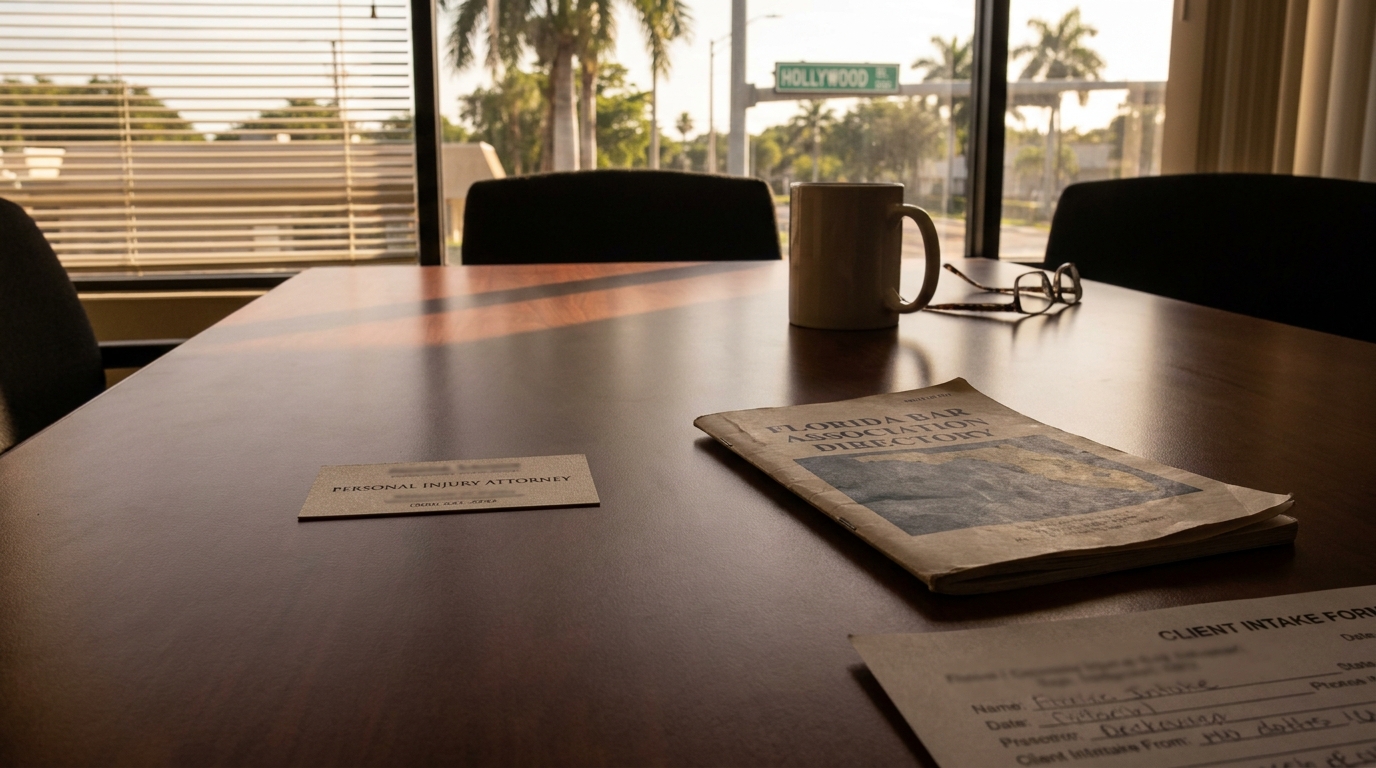
Why the Right Personal Injury Attorney Hollywood Florida Choice Matters
The lawyer you hire directly affects whether you recover anything under Florida law. Florida follows modified comparative fault, where being more than 50% at fault for your injury completely bars recovery. Below 50%, your award is reduced proportionally by your fault percentage. This makes an attorney’s ability to minimize assigned fault crucial.
Skilled advocacy goes beyond paperwork. Documentation, witness statements, and early investigation matter because they shape how fault is assigned. If you’re weighing options, read more about choosing injury lawyer Florida representation before signing anything.
💡 Pro Tip: Ask prospective lawyers how they approach fault disputes. A candidate who explains, in plain language, how they would counter a comparative negligence argument demonstrates the practical experience you need.
Understanding Florida’s Comparative Fault Framework
Florida reduces damages based on each party’s share of responsibility. Your own fault generally lowers your award proportionally but doesn’t eliminate it unless you exceed 50% fault. This doctrine shapes realistic expectations from the start.
Fault division among multiple parties matters equally. Florida allocates damages by each party’s percentage rather than using joint and several liability. Under Fla. Stat. § 768.81(3), judgment is entered based on each party’s fault percentage. Review the state’s official Florida torts statutes for context.
This modified standard is recent, making current knowledge essential. A March 2023 amendment (ch. 2023-15) replaced Florida’s prior pure comparative negligence system. One important carve-out: comparative fault doesn’t apply to medical negligence under Chapter 766, showing that attorney specialization matters.
Deadlines That Can Make or Break Your Claim
Missing a filing deadline permanently ends a claim, regardless of strength. Florida Statute 95.11 sets time limits for civil actions, and courts enforce them strictly.
The filing window shortened recently. Under 2023 tort reform (HB 837), the statute of limitations for negligence-based personal injury claims dropped from four years to two years, effective March 24, 2023. This means victims have only two years from the accident date to file, making prompt retention of a Hollywood, FL personal injury attorney essential.
Some deadlines can be extended in limited circumstances. The two-year period can be tolled when the defendant is absent from the state, conceals themselves, or when the injured party is a minor without a parent or guardian. Courts interpret exceptions narrowly.
Different claim types carry different deadlines. Because the statute defines multiple periods depending on claim type (negligence, product liability, medical malpractice, wrongful death, intentional torts), verifying that your attorney identifies the correct deadline is critical. Find these categories in the official Florida limitations statutes.
The table below shows how deadlines vary by claim type. Individual facts may change how these rules apply.
| Claim Type | General Limitations Period | Key Authority |
|---|---|---|
| Negligence-based injury | Two years from the incident | Fla. Stat. § 95.11(3)(a) |
| Wrongful death | Two years | Fla. Stat. § 95.11(5)(e) |
| Medical malpractice | Two years from incident or discovery, capped at four years | Fla. Stat. § 95.11 |
💡 Pro Tip: If you’re unsure when your deadline runs, treat the earliest possible date as your target. Waiting until time is running out leaves little room to investigate properly.
Qualities to Look for When Hiring a Lawyer in Hollywood
Strong candidates combine local familiarity with clear grasp of current Florida statutes. When hiring a lawyer in Hollywood, examine three key areas.
Depth of Relevant Experience
Experience with cases like yours predicts how smoothly your matter proceeds. A Broward County attorney who regularly handles car, truck, slip-and-fall, or nursing home claims will recognize common defense arguments early. Ask about case types the firm handles most and how they typically resolve them.
Clear Communication and Realistic Guidance
Trustworthy lawyers explain both strengths and risks. Be cautious of anyone guaranteeing specific results, because outcomes depend on facts. Look for counsel using conditional, honest language and acknowledging uncertainty where it exists.
Knowledge of Pleading and Procedural Rules
Florida imposes specific rules on complaint drafting. Florida law prohibits plaintiffs from stating specific dollar amounts for general (noneconomic) damages in personal injury or wrongful death complaints filed in circuit court, while special (economic) damages may be specifically pleaded. Under Fla. Stat. § 768.042, counsel familiar with these requirements helps frame your case correctly.
When comparing firms, evaluate candidates on:
- Familiarity with Florida’s modified comparative fault rules and recent amendments
- Track record handling your specific injury claim type
- Willingness to explain deadlines, exceptions, and risks plainly
- Accessibility and responsiveness
A qualified Hollywood personal injury attorney should address each point when you meet.
How Damages Are Calculated and Presented
Proper damage presentation significantly influences recovery. Florida requires juries to return itemized verdicts separating economic losses (medical bills, lost wages) from noneconomic losses (pain and suffering) and punitive damages. Knowledgeable attorneys ensure all categories are properly presented and documented to maximize recovery.
Economic and noneconomic losses receive different treatment. Under Fla. Stat. § 768.77(1), the trier of fact itemizes these amounts separately. A Florida accident attorney who documents each category carefully gives fact-finders a clearer picture of total harm.
💡 Pro Tip: Keep every receipt, medical record, and pay stub connected to your injury. Organized records make it easier for your legal team to present complete, persuasive damages.
Frequently Asked Questions
1. How long do I have to file a personal injury claim in Florida?
Most negligence-based claims carry a two-year deadline. Florida gives victims two years from the accident date to file negligence-based lawsuits; missing this deadline typically bars recovery. Certain claim types differ, so confirm your deadline with counsel promptly.
2. Can I still recover if I was partly at fault?
Often, yes, but recovery may be reduced. Florida’s comparative fault system means your own fault reduces damages proportionally but doesn’t completely bar recovery. However, being more than 50% at fault bars recovery entirely.
3. Do the same rules apply to medical malpractice cases?
No, medical negligence follows separate framework. The comparative fault statute doesn’t apply to medical negligence under Chapter 766. These matters also carry distinct deadlines, requiring specialized handling.
4. Can a filing deadline ever be extended?
In limited situations, deadlines may be paused. The statute of limitations can be tolled when the defendant is absent from the state, conceals themselves, or when the injured party is a minor without a parent or guardian. Courts interpret exceptions narrowly, so never assume tolling applies automatically.
5. Why does apportioning fault among parties matter?
It affects how much each responsible party pays. Florida allocates damages by each party’s fault percentage rather than joint and several liability. Thorough investigation helps ensure fault is fairly assigned.
Taking the Next Step Toward Recovery
Choosing the right injury lawyer in Florida means matching experience, communication, and current legal knowledge to your circumstances. Florida’s modified comparative fault rules, shortened two-year filing window, and detailed damages requirements reward careful, informed representation. The sooner you speak with qualified counsel, the more time you have to preserve evidence and protect your claim.
If you’re ready to move forward, Attorney Big Al at 1-800-HURT-123 is available to discuss your situation and explain your options. Call 1-800-487-8123 today or reach out through our contact page to get started. Taking that first step early can make a meaningful difference in protecting your rights.
