
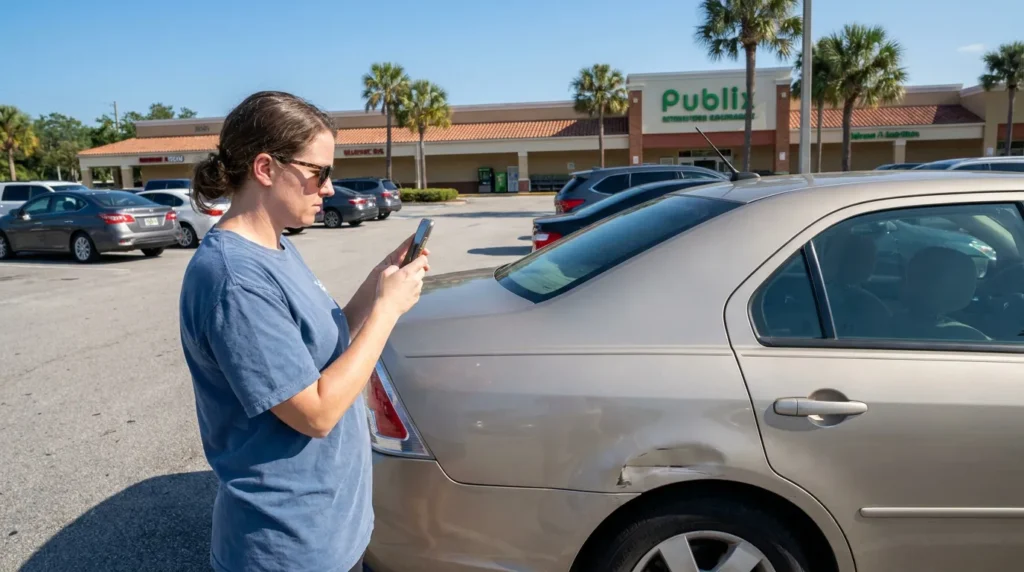
Why Careful Injury Documentation Protects Your Florida Claim
Key Takeaways: Documenting injuries after a minor car accident in Florida requires reporting the crash to law enforcement, seeking medical care within the 14-day PIP window, and preserving records linking injuries to the collision. Even low-speed crashes cause delayed injuries like whiplash, so never skip documentation. An officer-created Florida Traffic Crash Report, especially a Long Form triggered by pain complaints, carries greater evidentiary weight than self-reports. PIP covers up to $10,000 in medical and disability benefits at 80% of reasonable expenses regardless of fault. Gathering scene evidence, attending treatment consistently, and keeping a daily pain journal strengthen claims and guard against insurer challenges. The 2023 tort reform shortened the negligence deadline to two years, making early action essential.
Documenting injuries after a minor car accident in Florida starts with reporting the crash, seeking prompt medical care, and preserving records connecting your injuries to the collision. Even low-speed fender-benders can produce delayed symptoms like whiplash that surface days later. Building a clear, dated paper trail from the first moment protects both your health and any future car accident claim in Florida. This guide walks Broward County residents through the practical and legal steps that matter most.
If you have been hurt and feel unsure about your next move, reach out to Attorney Big Al at 1-800-HURT-123 for guidance. You can call 1-800-487-8123 any time or request a free consultation online to discuss how to preserve your claim.
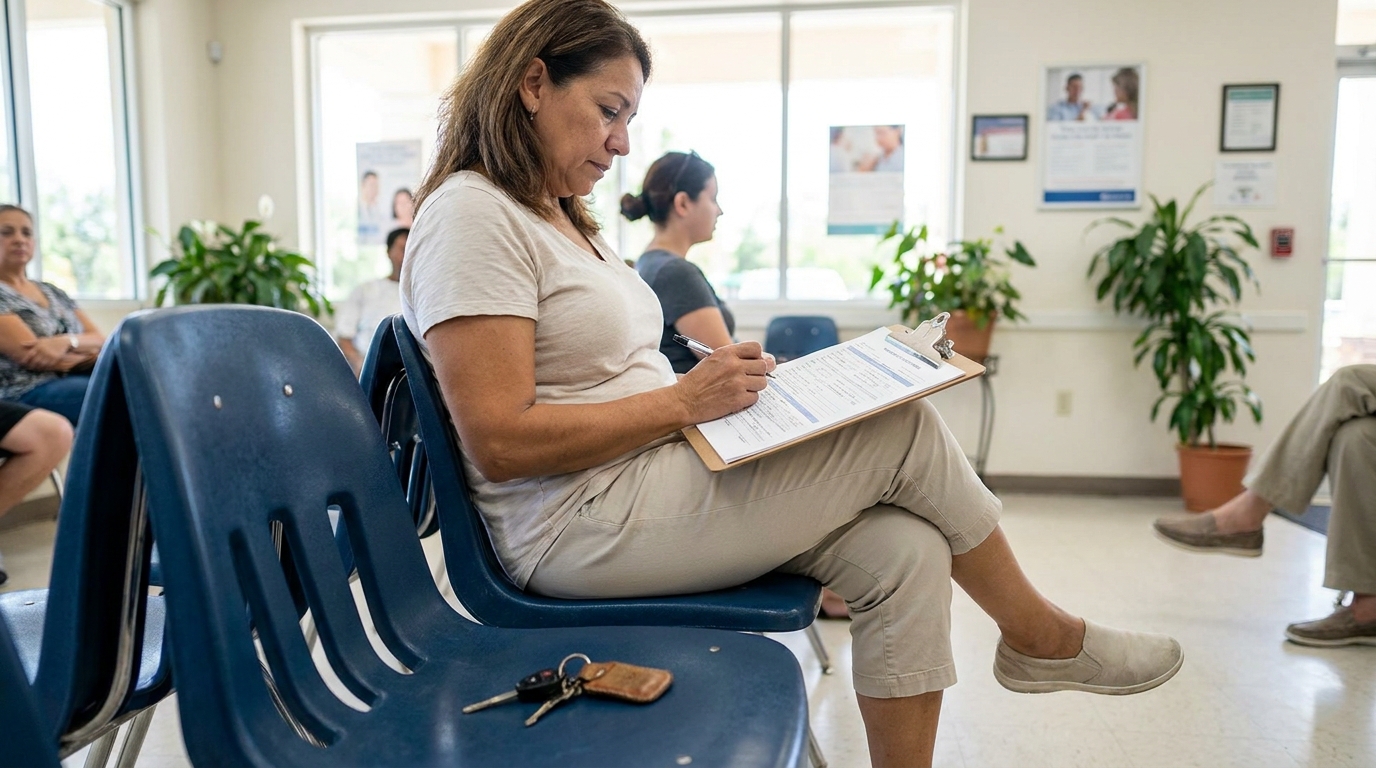
Report the Crash and Create an Official Record
Florida law generally requires drivers to notify law enforcement whenever a crash causes injury, death, or apparent property damage of at least $500. Under Fla. Stat. § 316.065(1), drivers must immediately give notice by the quickest means of communication. Because even modest bumper repairs reach that threshold, most minor crash victims must contact law enforcement and generate an official record.
That official record becomes one of your most valuable pieces of Florida crash evidence. Under Fla. Stat. § 316.066(1)(a), a Florida Traffic Crash Report, Long Form must be completed when a crash results in death, personal injury, or any indication of complaints of pain or discomfort by any party or passenger. This is critical: any complaint of pain, even if it seems small at the scene, can trigger the requirement for a full Long Form report. You can review the reporting duties in Florida’s motor vehicle crash statutes.
Investigating officers must complete and submit a Florida Traffic Crash Report (Long Form) within 10 days after completing the investigation under Fla. Stat. § 316.066(1)(a). Keep in mind that under Fla. Stat. § 316.066(4), a driver’s own crash report and statements made to officers for completing reports generally may not be used as evidence in civil or criminal trials, so officer-created reports carry more evidentiary weight.
💡 Pro Tip: If officers initially file only a short-form report because no injuries were noted, and you later develop symptoms, follow up promptly to request a Long Form report under Fla. Stat. § 316.066(1)(b) and (c).
Seek Prompt Medical Care Within Florida’s PIP Window
Getting examined quickly is both a health decision and a legal necessity in Florida’s no-fault system. Under Fla. Stat. § 627.736(1)(a), medical benefits generally apply only if you receive initial services and care within 14 days after the motor vehicle accident. Missing that window can jeopardize your Florida PIP claim entirely.
Where you go for that first visit matters under the statute. Fla. Stat. § 627.736(1)(a)(1) provides that qualifying initial care must generally be provided, supervised, ordered, or prescribed by a physician under chapters 458 or 459, a dentist, or a chiropractic physician, or be provided in a hospital or by emergency transport personnel. You can read the full no-fault provisions in the Florida PIP statute.
PIP coverage has defined limits that shape how you document expenses. Under Fla. Stat. § 627.736(1), Florida PIP provides up to $10,000 in medical and disability benefits and $5,000 in death benefits, covering 80% of reasonable, medically necessary expenses regardless of fault. Your own PIP policy is typically the first source of medical coverage under Fla. Stat. § 627.736(4), making thorough records of every bill and visit essential.
💡 Pro Tip: Delayed-onset injuries are common after minor collisions. Contemporaneous medical records showing exactly when symptoms appeared matter, because Fla. Stat. § 95.11 (2024) recognizes that certain limitation periods may run from when a claim is discovered or should have been discovered with due diligence.
Minor vs Moderate Car Accident: Why Documentation Still Matters
Understanding the difference between a minor vs moderate car accident helps you gauge how carefully to document. A minor crash often involves low speeds and light vehicle damage, while a moderate crash may involve airbag deployment, tow-away damage, or immediate injury. Yet the label at the scene does not always reflect injury severity, so the minor vs moderate car accident distinction should never lead you to skip documentation.
Soft-tissue and spinal injuries frequently hide behind a "minor" label. Whiplash and neck strain can take days to fully present, and delayed treatment can complicate both recovery and proof of causation.
| Factor | Minor Crash | Moderate Crash |
|---|---|---|
| Typical damage | Light, driveable | Airbag or tow-away |
| Injury onset | Often delayed | Frequently immediate |
| Documentation urgency | High | High |
| PIP relevance | Applies | Applies |
Regardless of category, the same core documentation steps apply. For a deeper checklist of what to collect, see this guide on Florida crash evidence. Whether your collision looks minor or moderate, preserving evidence early protects your ability to recover.
Gather and Preserve Evidence at the Scene
Collecting information at the scene is foundational to documenting injuries in Florida. Under Fla. Stat. § 316.066(1)(d), each party must provide the officer with proof of insurance, which must be documented in the crash report. Capturing that insurance information yourself adds an extra layer of protection.
Practical items to gather when it is safe to do so include:
- Photos of vehicle damage, license plates, road conditions, and visible injuries
- Names, addresses, and insurance company details for all parties and witnesses
- The responding officer’s name and the crash report number
- Notes describing how you feel, since symptoms may evolve over hours or days
Written self-reporting duties can also apply to very minor crashes. Under Fla. Stat. § 316.066(1)(e), a driver involved in a crash causing vehicle or property damage that does not require a law enforcement report must submit a written report to the department within 10 days. This helps ensure even minor incidents are officially documented.
💡 Pro Tip: Keep a simple daily journal of pain levels, missed work, and how injuries affect daily tasks. This contemporaneous record can support claims for lost wages and pain and suffering.
Attend Treatment Consistently to Protect Benefits
Consistent, well-documented treatment strengthens your Florida PIP claim and your overall case. Under Fla. Stat. § 627.736(7), an insurer may require you to submit to an independent medical examination, and unreasonable refusal or failure to appear at two examinations can end liability for further PIP benefits.
Gaps in treatment can be used to question whether injuries are serious or crash-related. Keeping appointments and following your provider’s plan demonstrates the ongoing nature of your injuries.
Deadlines for legal action add urgency to careful documentation. Fla. Stat. § 95.11 sets time limits for filing negligence-based personal injury lawsuits, and the 2023 tort reform under HB 837 shortened the negligence limitations period to two years. Because these deadlines are interpreted strictly and depend on your specific facts, prompt and dated documentation is important.
Frequently Asked Questions
1. Do I really need to report a minor fender-bender in Florida?
In many cases, yes. Under Fla. Stat. § 316.065(1), notice to law enforcement is generally required when a crash causes injury, death, or apparent damage of at least $500, a threshold minor crashes often meet.
2. How soon must I see a doctor after a crash?
Generally within 14 days. Fla. Stat. § 627.736(1)(a) provides that PIP medical benefits typically apply only if you receive initial care within 14 days of the accident, so prompt treatment is essential.
3. What if my injuries appear days after a minor collision?
Delayed symptoms are common and worth documenting immediately. Seek qualifying care right away and consider asking that a Long Form crash report be filed, since contemporaneous records help connect symptoms to the crash.
4. How much does PIP cover?
Up to defined statutory limits. Under Fla. Stat. § 627.736(1), PIP provides up to $10,000 in medical and disability benefits and $5,000 in death benefits, generally covering 80% of reasonable, medically necessary expenses regardless of fault.
5. Can I handle the documentation myself?
You can start the process yourself, but outcomes depend on your specific facts. A trusted Florida car accident lawyer can help you understand your options and preserve evidence properly.
Putting It All Together After a Florida Crash
Documenting injuries after a minor accident comes down to reporting promptly, seeking qualifying care within the PIP window, and preserving every record tying your injuries to the collision. Florida’s no-fault system under chapter 627, crash reporting duties under chapter 316, and the shortened negligence deadline under Fla. Stat. § 95.11 all reward victims who act early and keep thorough records. Whether your crash looks minor or moderate, careful documentation gives your car accident claim in Florida its strongest foundation.
If you were injured and want help protecting your rights, connect with a dedicated minor vs moderate car accident lawyer serving Hollywood and Broward County. Call Attorney Big Al at 1-800-HURT-123 today at 1-800-487-8123, or reach out through our contact page to discuss your minor crash injury in Florida and take the next step toward recovery.
