
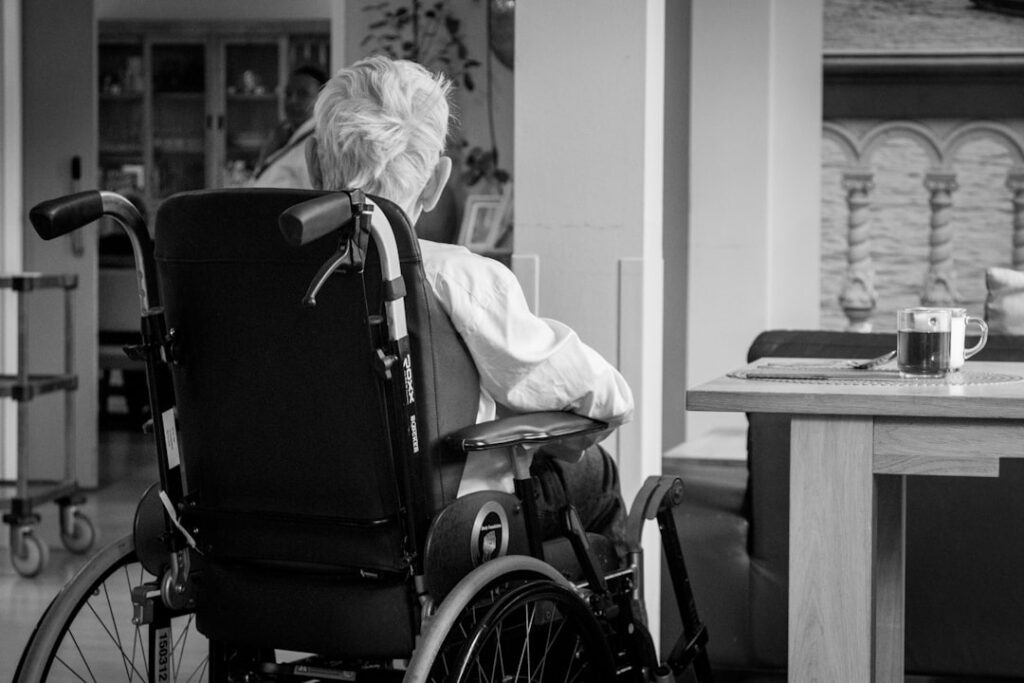
Nursing home abuse Florida 2025: Protect Elders
Why Reporting Nursing Home Abuse in Miami Matters
Nursing home abuse Florida cases are tragically common. If you suspect a loved one is being mistreated, you must act quickly. Here’s what to do:
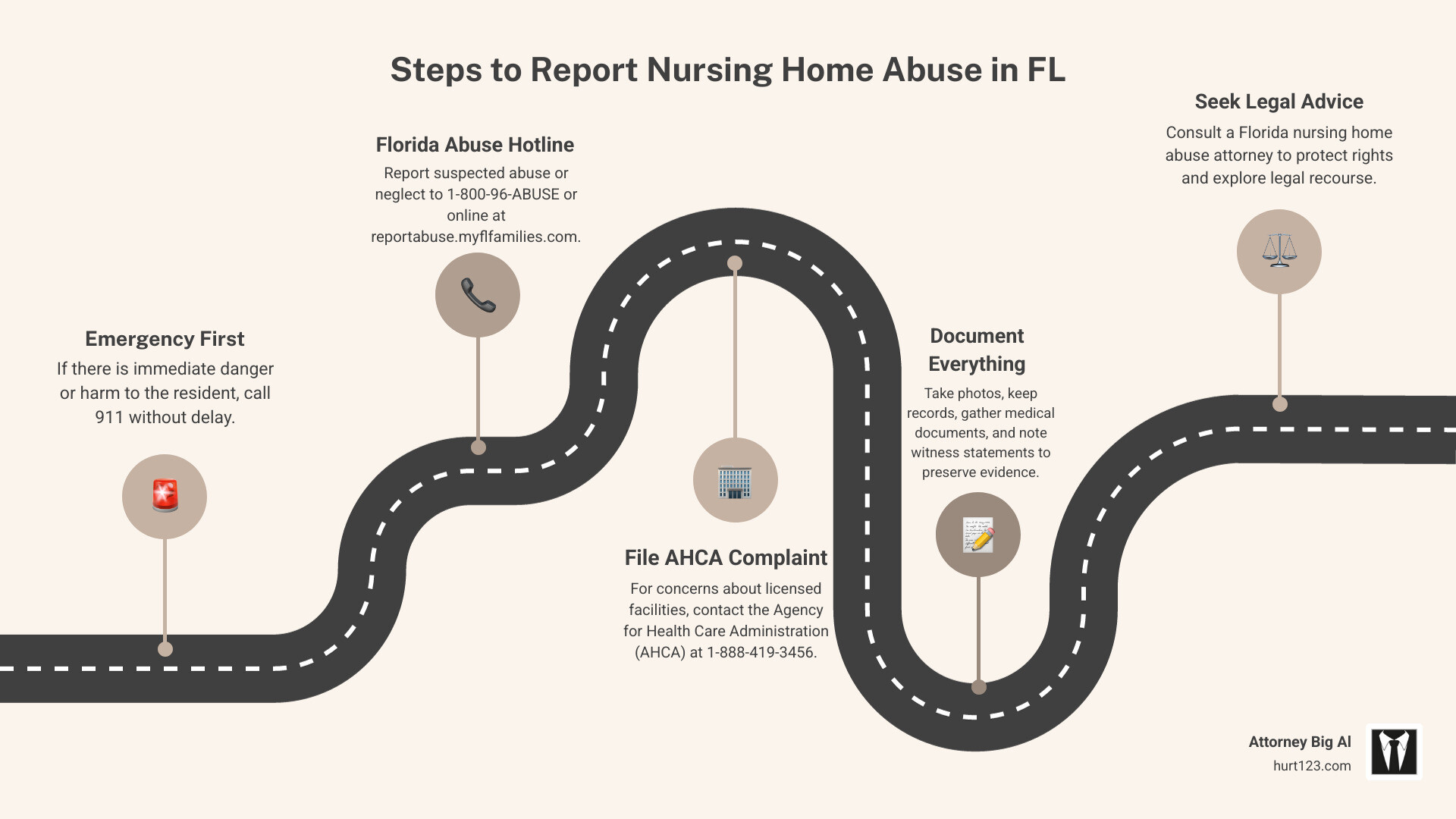
Quick Action Steps for Suspected Abuse:
- Emergency situations: Call 911 immediately
- Report abuse: Call Florida Abuse Hotline at 1-800-96-ABUSE (1-800-962-2873)
- Online reporting: Visit reportabuse.myflfamilies.com
- Healthcare facility complaints: Call AHCA at 1-888-419-3456
- Document everything: Take photos, keep records, preserve evidence
Florida’s large senior population makes this issue critical, as vulnerable adults depend on our vigilance to protect them from harm.
The statistics are sobering: only one out of every 14 cases of elder abuse gets reported. This means countless seniors in cities like Miami, Fort Lauderdale, and Boca Raton may be suffering in silence.
Under Florida law, you are legally required to report suspected abuse of vulnerable adults. Fortunately, the state provides immunity for those who report abuse in good faith, even if the report is unfounded.
This guide will explain how to recognize warning signs, understand your reporting duties, and take the right steps to protect your loved one while preserving your legal options.
Recognizing and Reporting Nursing Home Abuse in Fort Lauderdale
When you place a loved one in a nursing home, you trust that facility with their well-being. Unfortunately, that trust is sometimes broken. Recognizing nursing home abuse Florida cases requires knowing what to look for, as abuse often happens when families aren’t around.
Elder abuse exists in several forms, and it’s more common than most people realize. Let’s walk through what you need to know to protect your loved one.
Types of Abuse and Common Warning Signs

Abuse isn’t always obvious. Here are the main types you should watch for during your visits to nursing homes in Fort Lauderdale, Miami, or anywhere else in Florida.
Physical abuse involves deliberately causing injury or pain, such as hitting, slapping, or improperly using restraints. Look for unexplained bruises, cuts, or broken bones. Pay attention if your loved one flinches when touched or seems fearful around certain staff members.
Emotional abuse can be just as damaging. This includes verbal insults, threats, intimidation, or isolating residents. You might notice your loved one has become withdrawn, agitated, or depressed. They might refuse to speak when certain staff are present or show uncharacteristic mood swings.
Sexual abuse involves any non-consensual sexual contact. Warning signs include new onset of sexually transmitted diseases, difficulty walking or sitting, unexplained bruising near sexual areas, or sudden social withdrawal and panic attacks.
Financial exploitation occurs when someone improperly uses a resident’s money or assets. Watch for unexplained withdrawals from bank accounts, sudden changes in wills, missing personal property, or your loved one expressing concerns about missing money.
Neglect is the failure to provide essential care like food, medication, or hygiene. The warning signs are often easier to spot during visits. Bedsores are a major red flag, as these painful wounds develop when residents aren’t regularly repositioned. Other signs include unexplained weight loss, poor hygiene (unwashed clothing, matted hair, body odor), and untreated medical conditions.
Also, look for a sudden loss of mobility or if your loved one is left in bed for long periods. Fear of caregivers is another serious sign; if your loved one seems anxious around specific staff, trust your instincts.
We know spotting these signs can be challenging. For more detailed guidance, check out our resource on how to spot nursing home abuse with a loved one.
Florida’s Mandatory Reporting Laws
Florida doesn’t just encourage reporting elder abuse—it requires it by law. Understanding these requirements is crucial for protecting vulnerable adults in nursing homes throughout Boca Raton, Hollywood, and across the state.
In Florida, a vulnerable adult is anyone 18 or older whose ability to care for themselves is impaired. For elder abuse, the state considers anyone 60 or older a senior citizen.
Crucially, any person who knows or has reasonable cause to suspect abuse, neglect, or exploitation of a vulnerable adult must report it. This is a legal duty under Florida’s Adult Protective Services Act, Chapter 415 of Florida Statutes. While this includes healthcare professionals and nursing home staff, the law applies to everyone.
The good news is that Florida provides immunity for reporters who act in good faith. You are protected from civil or criminal liability as long as you reported without malice, even if the report is unfounded. This protection encourages reporting to keep vulnerable adults safe.
Step-by-Step: How to File a Report in Florida
If you suspect abuse at a nursing home in Florida, here’s what to do. Time is critical, so don’t hesitate.

If there’s immediate danger, call 911 right away. If you believe your loved one faces an immediate threat, emergency services must be contacted.
For other suspected abuse, neglect, or exploitation, contact the Florida Abuse Hotline. Call 1-800-96-ABUSE (1-800-962-2873) and press 2 to report suspected abuse of an elderly or vulnerable adult.
You can also report abuse online through Florida’s secure portal, managed by the Department of Children and Families.
For quality of care issues that may not be abuse but still violate standards, contact the Agency for Health Care Administration (AHCA). Call 1-888-419-3456 or use their Licensed Health Care Facility Complaint Form online. AHCA oversees the licensing and regulation of Florida nursing homes.
What information should you provide? The more details you share, the better. Include the nursing home’s name and location, your loved one’s full name, specific details about incidents (dates, times), names of staff involved, and descriptions of any injuries or signs of abuse. You can report anonymously, but providing contact information is helpful for investigators.
Your report will trigger an investigation to ensure the vulnerable adult is protected.
Legal Rights After Reporting Nursing Home Abuse in Boca Raton
Reporting suspected nursing home abuse Florida is a critical first step, but it’s often just the beginning. Families have legal rights to pursue justice and compensation for their loved ones. Our firm is dedicated to helping families steer these complex situations.
Understanding Your Legal Recourse for Nursing Home Abuse in Florida
When a loved one is harmed in a Florida nursing home, the legal system offers ways to hold responsible parties accountable through civil lawsuits or wrongful death claims.
- Civil Lawsuits: These lawsuits seek financial compensation for harm caused by abuse or neglect. To succeed, we must show that the nursing home or its staff acted negligently or intentionally, leading to injury. This could involve inadequate staffing, improper training, or direct abuse.
- Wrongful Death Claims: If abuse or neglect leads to a resident’s death, families may file a wrongful death claim. In Florida, the statute of limitations is typically two years from the date of death. These claims seek compensation for funeral expenses, medical costs, and the family’s loss.
- Statute of Limitations: Strict time limits apply. For personal injury from nursing home abuse, the statute of limitations is generally two years from when the abuse was or should have been finded. Acting quickly is essential to preserve your legal rights.
- Evidence Collection: A strong case requires comprehensive evidence, including:
- Medical Records
- Photographs of injuries or poor conditions
- Witness Statements
- Incident Reports from the facility
- Care Plans
- Your personal notes and observations
- Autopsy Reports (in wrongful death cases)
- Potential Compensation: Families may recover damages for:
- Medical Expenses
- Pain and Suffering
- Loss of Dignity and Enjoyment of Life
- Funeral and Burial Costs
- Loss of Companionship
- Punitive Damages (in cases of extreme misconduct)
Navigating these legal complexities requires guidance. Our team helps families in Boca Raton, Fort Lauderdale, Miami, and other Florida communities understand their options. For more information, see our article on why you should consider hiring a nursing home abuse lawyer in Florida.
The Long-Term Impact and How to Prevent Future Harm
The effects of nursing home abuse Florida extend far beyond physical injuries, casting a long shadow over a resident’s well-being.
- Long-Term Physical Effects: Injuries can lead to chronic pain, reduced mobility, and a decline in overall health. Malnutrition or untreated infections can cause severe complications or even premature death.
- Emotional and Psychological Trauma: Victims may experience fear, betrayal, and helplessness, leading to depression, anxiety, and PTSD. The World Health Organization highlights the significant psychological trauma like PTSD and depression that can result.
- Social Isolation and Loss of Trust: Abused residents often withdraw from social interactions, leading to isolation and loneliness. The betrayal of trust can make it difficult for them to accept help, even from family.

Prevention Strategies
Proactive steps can help minimize the risk of abuse and neglect.
- Regular Visits: Frequent, unannounced visits are one of the most effective deterrents.
- Open Communication: Talk regularly with your loved one, staff, and management.
- Researching Facilities: Before choosing a home, check its history, complaint records, and staffing levels.
- Advocacy: Be an active advocate. Attend care plan meetings and voice concerns promptly.
- Monitoring: Keep an eye on your loved one’s finances, health, and emotional state.
- Know the Staff: Get to know the caregivers who interact with your loved one daily.
When to Contact a Florida Nursing Home Abuse Attorney
If you suspect nursing home abuse Florida, contacting an attorney is a crucial step.
- Preserving Evidence: An attorney knows how to promptly gather and preserve critical evidence like medical records, witness statements, and surveillance footage before it is lost.
- Protecting Legal Rights: The legal landscape is complex. We can help you understand your rights and ensure all actions are taken within the required timeframes.
- Navigating the Legal System: We handle all aspects of the legal process, from investigations to negotiations and court trials, allowing you to focus on your loved one.
- Holding Facilities Accountable: Our firm is dedicated to holding negligent nursing homes accountable. We have the resources to challenge major insurance companies, seeking justice for your family and helping prevent future harm.
- Understanding Arbitration Clauses: Many nursing home contracts include arbitration clauses that limit your legal options. We can review these agreements and advise you on how to protect your rights.
If your loved one has suffered from nursing home abuse Florida, we are here to help. We offer free consultations to discuss your situation and explain your legal options. We have offices across Florida, serving communities in Boca Raton, Hollywood, Fort Lauderdale, Miami, Pembroke Pines, Sunrise, and West Palm Beach.
Don’t let your loved one suffer in silence. Contact a Boca Raton nursing home abuse lawyer for a free consultation or reach out to our nearest office. We are committed to fighting for the justice your family deserves.

