
How Comparative Fault Affects Your Florida Premises Liability Claim
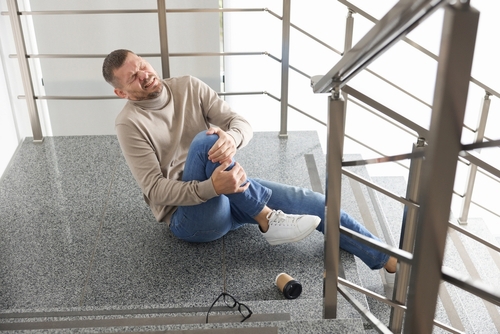
If you slipped on a wet floor in a grocery store or tripped over broken pavement at a hotel, you may wonder whether the property owner will try to blame you for your injuries. In Florida, comparative fault determines how much responsibility each party bears in a premises liability case. Under Florida’s modified comparative negligence system, your compensation is reduced by your percentage of fault, and if you are found more than 50% responsible, you lose your right to recover damages entirely. Understanding this system is essential for anyone pursuing a premises liability claim in Florida, because property owners’ insurance companies will almost certainly argue that you share some blame.
If you were hurt on someone else’s property and have questions about your case, Attorney Big Al at 1-800-HURT-123 can help you understand your options. Call 1-800-487-8123 or reach out online to get started.

What a Premise Liability Attorney in Florida Wants You to Know About Comparative Fault
Comparative fault is the method Florida courts use to assign a percentage of responsibility to each person involved in an accident. Rather than an all-or-nothing outcome, the jury evaluates what each party did or failed to do and assigns fault accordingly. For example, if a store failed to clean up a spill but you were distracted by your phone, the court may assign fault to both parties.
Florida Statute §768.81 governs how comparative fault applies in negligence actions. Courts apply the statute broadly to cover civil actions based on negligence, strict liability, products liability, and professional malpractice. However, it does not apply to intentional torts or certain causes governed by other specific chapters of Florida law. Premises liability claims, including slip-and-fall cases, fall squarely within this comparative fault framework. You can review the full text of §768.81 on the Florida Senate’s website.
💡 Pro Tip: After any injury on someone else’s property, take photos of the hazard, your injuries, and your surroundings immediately. This evidence can be critical when the property owner tries to shift blame onto you.
How Florida’s Modified Comparative Negligence System Works
Florida shifted from pure comparative negligence to a modified system when HB 837 took effect on March 24, 2023. Under the previous rule, an injured person could recover damages even if 99% at fault. That is no longer the case.
The 51% Fault Bar Rule
Under §768.81(6), any party found greater than 50% at fault for their own harm may not recover any damages. This is the 51 percent fault bar. If a jury decides you were 51% or more responsible for the accident causing your injuries, your claim is completely barred. This rule does not apply to medical negligence actions under Chapter 766, but applies to virtually all premises liability scenarios.
How Damages Are Reduced Below the 51% Threshold
If your share of fault is 50% or less, your damages are reduced proportionately. Under §768.81(2), contributory fault chargeable to the claimant diminishes the amount awarded for both economic and noneconomic damages in proportion to the claimant’s fault, but does not bar recovery. For instance, if your total damages equal $100,000 and you are 30% at fault, you would receive $70,000.
| Claimant’s Fault | Total Damages | Reduction | Amount Recovered |
|---|---|---|---|
| 10% | $100,000 | $10,000 | $90,000 |
| 30% | $100,000 | $30,000 | $70,000 |
| 50% | $100,000 | $50,000 | $50,000 |
| 51% or more | $100,000 | Full bar | $0 |
💡 Pro Tip: Even if you believe you were partially at fault, do not admit fault at the scene or to an insurance adjuster. Let the evidence tell the story, and allow your attorney to present the strongest case for minimizing your responsibility.
Why Property Owners Try to Blame You in a Florida Negligence Claim
Property owners and their insurance companies have a strong financial incentive to push as much fault onto you as possible. Under Florida’s several liability system established by §768.81(3), the court enters judgment against each party based on that party’s percentage of fault, not on joint and several liability. If a defendant can convince the jury you were largely at fault, their payout shrinks dramatically or they may owe nothing.
Common defense arguments in premises cases include claims that you were not paying attention, wore inappropriate footwear, ignored warning signs, or were in a restricted area. These arguments are designed to inflate your percentage of fault. A premises liability attorney in Florida can counter these arguments by gathering surveillance footage, maintenance logs, and witness statements demonstrating the property owner’s negligence.
💡 Pro Tip: Request a copy of the incident report before leaving the property. If the business refuses, document that refusal in writing. Incident reports sometimes disappear or get altered after the fact.
How Defendants Shift Fault to Nonparties
Florida law allows defendants to allocate fault not just to you, but also to people not even part of the lawsuit. Under §768.81, a defendant must affirmatively plead the fault of a nonparty and, absent good cause, identify the nonparty or describe them as specifically as practicable. The defendant must then prove that nonparty’s fault at trial by a preponderance of the evidence. This strategic tactic can further dilute your recovery.
What This Means for Your Recovery
If a defendant successfully proves that a nonparty, such as another business, contractor, or bystander, contributed to your injury, the total fault pie gets divided among more parties. Because Florida uses several liability under §768.81(3), you cannot collect the nonparty’s share from the named defendant. This makes identifying every potentially responsible party early critical so they can be named as defendants before the statute of limitations expires.
💡 Pro Tip: Keep a detailed journal of everything you remember about the accident, including who was present, what employees said, and any contractors or third parties working on the property. These details can help your attorney identify all responsible parties.
Proving Your Premises Liability Claim Under Florida Law
To succeed in a premises liability case, you must prove that the property owner owed you a duty of care, breached that duty, and that the breach caused your injuries. For cases involving transitory foreign substances like wet floors or spilled liquids, Florida’s premises liability statutes under §768.0755 impose specific requirements. You typically must show the business had actual or constructive knowledge of the dangerous condition.
Gathering the Right Evidence
Strong evidence is the foundation of any successful Florida negligence claim. Consider preserving:
- Photographs and video of the hazard, the surrounding area, and your injuries
- Contact information for any witnesses who saw the accident
- Medical records documenting your injuries, treatment, and prognosis
- Maintenance and inspection logs from the property
- Surveillance camera footage from the property
The sooner you begin collecting this evidence, the better. Surveillance footage is often overwritten within days, and witnesses’ memories fade quickly. Acting fast protects your ability to build a strong case.
What the 50% Fault Rule Could Mean for Your Slip-and-Fall Case
The modified comparative negligence framework created by HB 837 raises the stakes for every premise liability attorney in Florida and their clients. If you are even slightly over the 50% fault threshold, your entire claim disappears. This makes early case evaluation and thorough investigation more important than ever. You can learn more about how Florida’s 50% fault rule could block your recovery in a slip-and-fall case.
Insurance adjusters may use your own statements against you to argue you exceeded the 50% fault bar. That is why speaking with an attorney before giving any recorded statement or signing documents from the property owner’s insurance company is advisable.
💡 Pro Tip: If an insurance adjuster contacts you and asks for a recorded statement, you are not required to provide one. Politely decline and direct them to your attorney.
Frequently Asked Questions
1. Can I still recover damages if I was partially at fault for my Florida slip-and-fall accident?
Yes, but only if your share of fault is 50% or less. Under §768.81(6), any party found greater than 50% at fault for their own harm is barred from recovery. If your fault is at or below that threshold, your damages are reduced by your percentage of responsibility under §768.81(2).
2. What does "several liability" mean in a Florida premises case?
Several liability means each defendant pays only their own share of fault. Under §768.81(3), the court enters judgment against each party based solely on that party’s percentage of fault. You cannot collect one defendant’s share from another defendant.
3. Can the property owner blame someone else for my injuries?
Yes. Florida law under §768.81 allows defendants to affirmatively plead the fault of a nonparty, identify or describe that nonparty, and prove that fault at trial by a preponderance of the evidence. This can reduce the defendant’s percentage of liability and lower your recovery.
4. Does the 51% fault bar apply to all injury cases in Florida?
It applies to most negligence actions, but not all. Under §768.81(6), the bar does not apply to medical negligence actions under Chapter 766. The statute also excludes intentional torts and certain causes governed by specific Florida statutes. It does apply to premises liability, products liability, and other negligence-based claims.
5. What should I do immediately after a slip-and-fall on someone else’s property?
Seek medical attention first, then focus on preserving evidence. Take photos of the hazard, report the incident to the property manager, get witness contact information, and keep all medical records. Avoid admitting fault or giving recorded statements to the property owner’s insurance company before consulting an attorney.
Protecting Your Right to Fair Compensation in Florida
Comparative fault in a Florida premises case can significantly reduce or eliminate your recovery, making understanding this legal framework essential. Florida’s modified comparative negligence system under §768.81 requires careful attention to how fault is allocated among all parties, including nonparties the defendant may try to blame. Strong evidence, prompt action, and clear understanding of the 51 percent fault bar can make the difference between a successful claim and no recovery.
If you were injured on someone else’s property in Florida, Attorney Big Al at 1-800-HURT-123 is ready to help you evaluate your claim and fight for the compensation you deserve. Call 1-800-487-8123 or contact us today for a case review.
