
Nursing Home Neglect Lawyer: Best Justice 2025
Protecting Your Loved Ones in Fort Lauderdale: Why a Nursing Home Neglect Lawyer Matters
When you place a loved one in a nursing home, you trust they will receive excellent care. Sadly, this trust is often broken. A nursing home neglect lawyer helps families whose loved ones have suffered harm. Elder abuse is a serious problem. Studies show that at least one out of ten elderly adults in the United States suffers from some form of abuse every year. This guide will help you understand what to do if you suspect neglect.
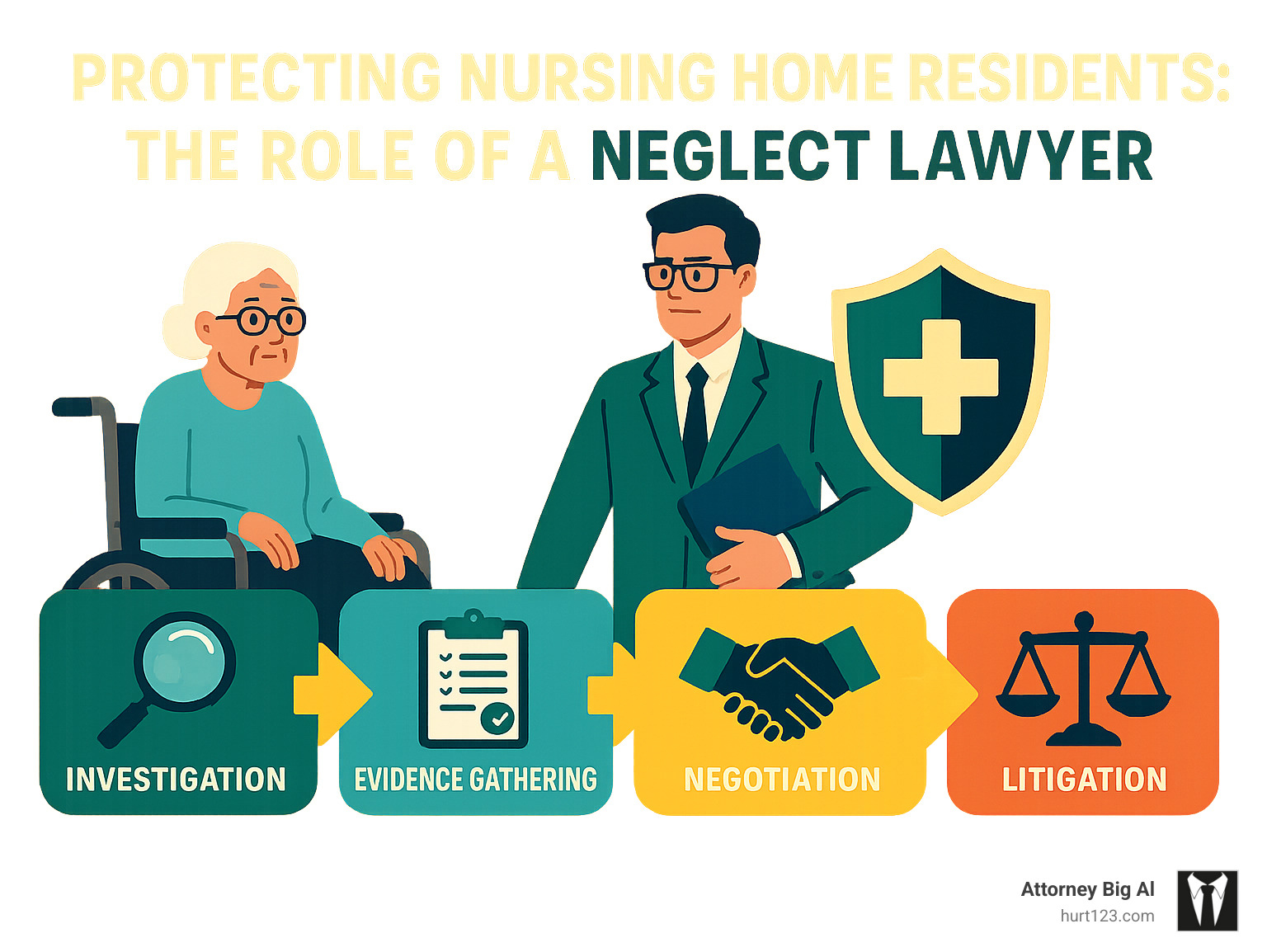
If you are searching for a nursing home neglect lawyer, here’s what they can do:
- Seek Compensation: They work to get financial compensation for medical bills, pain, and suffering.
- Investigate Claims: They dig deep to find out what happened, gathering important evidence.
- Gather Evidence: This includes medical records, facility reports, and witness statements.
- Represent Victims: They stand up for your loved one’s rights in negotiations or in court.
- Hold Facilities Accountable: Their goal is to make sure negligent nursing homes are held responsible.
Our population is aging, and more parents and grandparents spend part of their lives in care facilities. When the care falls short, it can lead to serious injury or even death. A jury recently ordered a Florida nursing home to pay $12.5 million because a woman died from severe bedsores. You don’t have to face this alone. A dedicated legal team can help you steer these tough times.
Key terms for nursing home neglect lawyer:
Understanding Nursing Home Neglect in Hollywood: When Care Becomes Harm
Placing your loved one in a nursing home is one of the hardest decisions you’ll ever make. You’re trusting complete strangers with someone precious to you, hoping they’ll provide the care and dignity your family member deserves. Unfortunately, that trust doesn’t always pay off.
Every nursing home has what’s called a duty of care. This means they’re legally required to keep residents safe, fed, clean, and healthy. They must provide medical care, help with daily activities, and treat everyone with respect. When they fail to do this, it becomes neglect.

The numbers are shocking. According to the National Council on Aging, one in ten adults over 60 experiences some form of elder abuse. That’s millions of seniors who aren’t getting the care they need and deserve.
Here’s something important to understand: neglect and abuse aren’t the same thing. Abuse usually means someone intentionally hurts a resident – hitting them, stealing from them, or threatening them. Neglect is different. It’s when caregivers fail to act. They don’t provide proper care, and residents suffer because of what doesn’t happen.
Both are serious problems that can destroy lives. But neglect is often harder to spot because it’s about what’s missing, not what’s obviously wrong.
What Constitutes Nursing Home Neglect?
Nursing home neglect happens when staff members simply don’t do their jobs. Sometimes it’s because they’re overwhelmed or undertrained. Other times, it’s because the facility is trying to cut costs by hiring fewer people. Either way, residents pay the price.
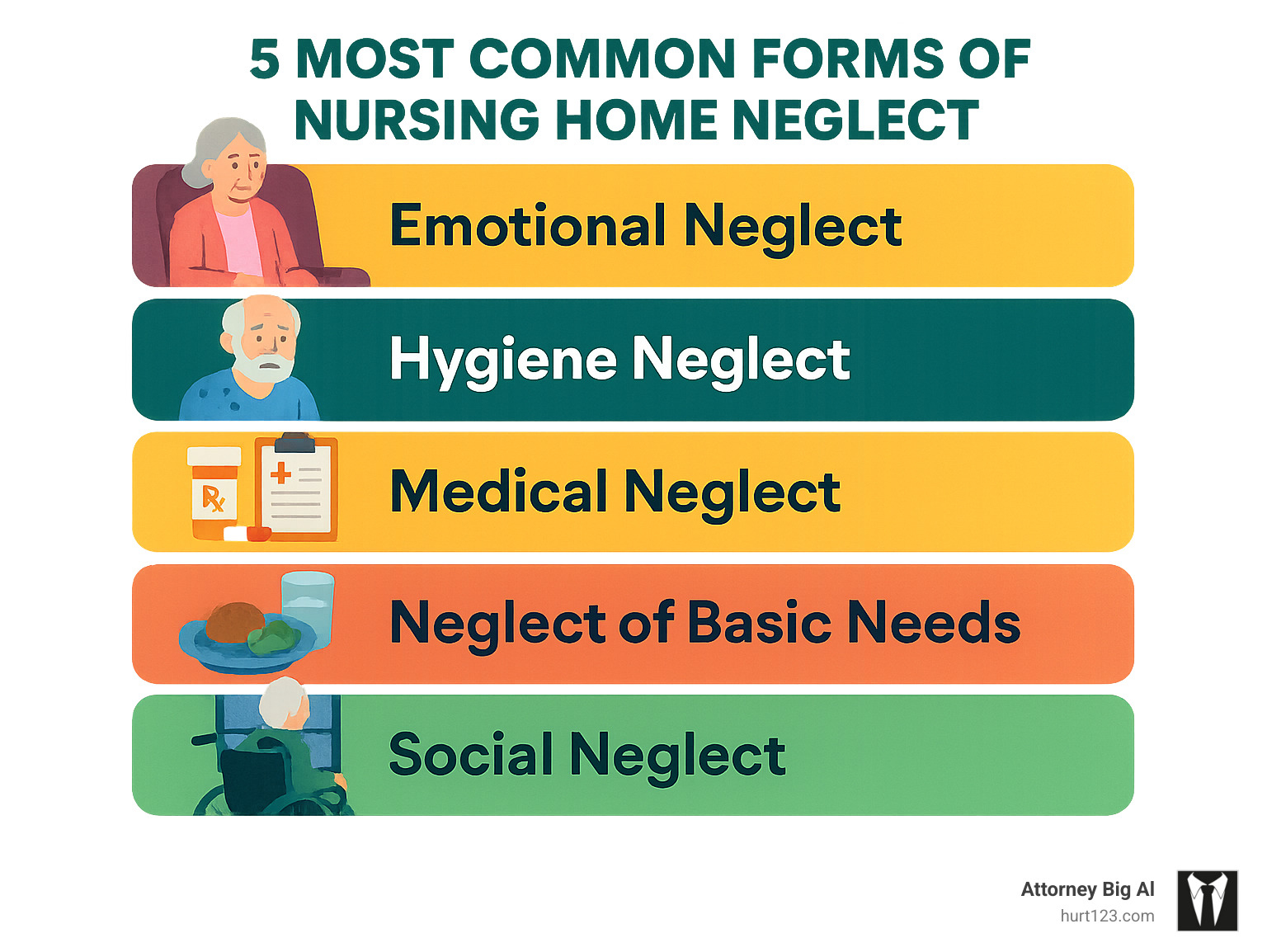
Failure to provide basic needs is the most common form of neglect. Your loved one might not get enough food or water. They might sit in dirty clothes for hours. Their room might be filthy, or they might not have clean bedding. These aren’t small problems – they can lead to serious health issues.
Medical neglect is equally dangerous. This happens when staff ignore symptoms, forget to give medications, or don’t call a doctor when someone is clearly sick. Imagine having chest pain and being told to “walk it off,” or developing an infection that goes untreated for days.
Personal hygiene neglect might seem less serious, but it’s not. When residents aren’t helped with bathing, brushing teeth, or changing clothes, they can develop painful skin conditions, infections, or lose their sense of dignity and self-worth.
Don’t overlook emotional and social neglect either. Humans need connection and kindness to thrive. When staff members ignore residents, never talk to them, or treat them like objects instead of people, it can cause depression and anxiety that’s just as harmful as physical injuries.
Safety hazards are everywhere when facilities don’t maintain proper care. Wet floors cause falls. Broken equipment leads to injuries. Poor supervision means residents can wander off and get lost or hurt.
The root cause of most neglect? Understaffing. When there aren’t enough caregivers, everyone suffers. Medications get missed, calls for help go unanswered, and residents don’t get the attention they need to stay healthy and safe.
Common Signs of Nursing Home Neglect
Spotting neglect isn’t always easy, especially since your loved one might not be able to tell you what’s happening. But there are warning signs that should make you ask questions.
Unexplained injuries are huge red flags. If your family member has bruises, cuts, or broken bones that staff can’t explain, something’s wrong. Accidents happen, but patterns of injuries suggest neglect or worse.
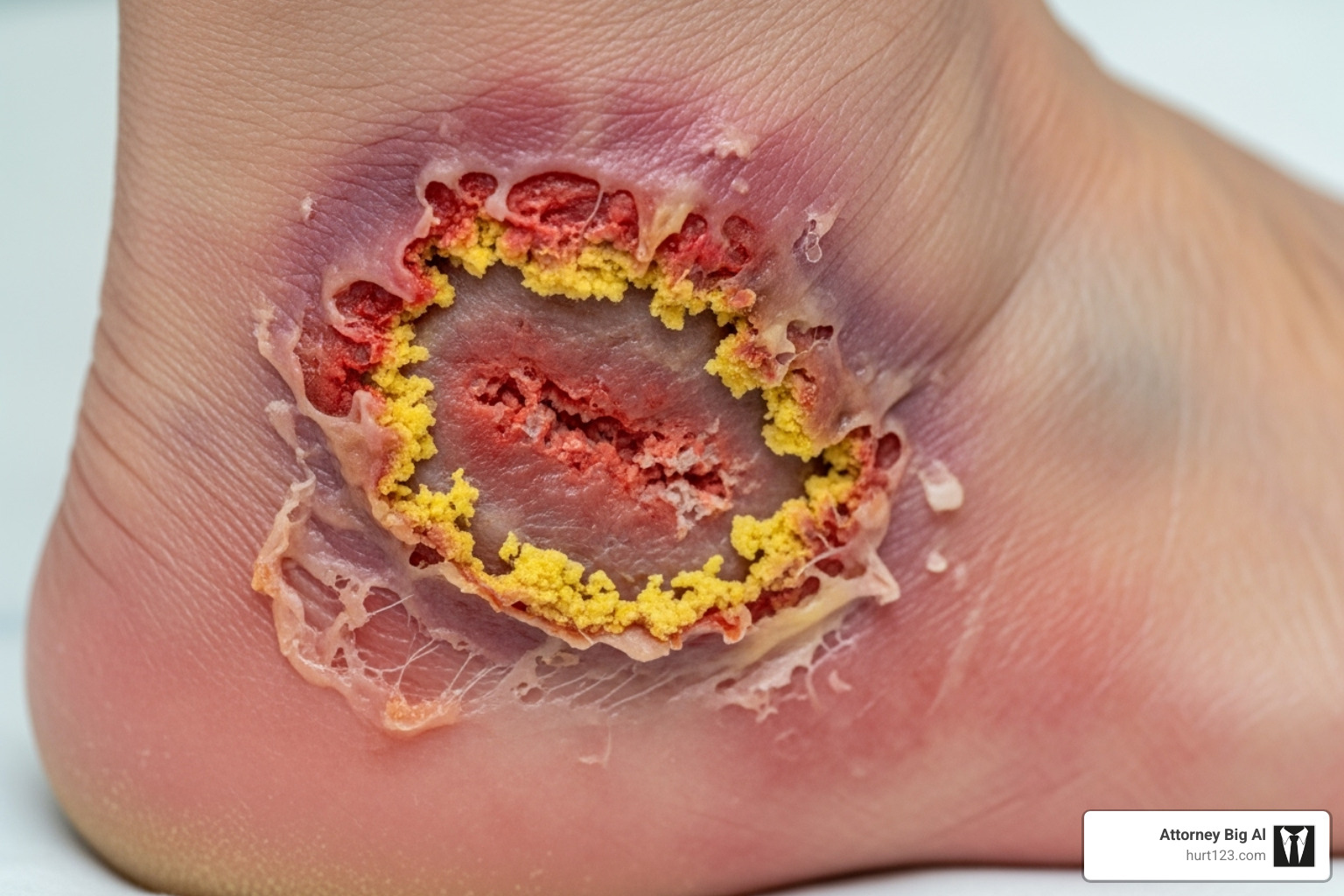
Bedsores are perhaps the most telling sign of neglect. These painful wounds develop when someone stays in the same position too long without being moved. They start as red spots but can become deep, infected wounds that are extremely painful. A Florida jury recently awarded $12.5 million to a family whose loved one died from severe bedsores – that’s how serious these can be.
Dehydration and malnutrition show up in many ways. Sudden weight loss, dry mouth, confusion, or weakness can all signal that your loved one isn’t getting proper nutrition or enough fluids.
Poor hygiene is obvious when you visit. If your family member smells bad, has dirty clothes, or their room is messy and unclean, they’re not getting basic care.
Watch for behavioral changes too. If someone who was normally happy becomes withdrawn, anxious, or fearful, they might be experiencing neglect or abuse. Sometimes the emotional signs appear before the physical ones.
Be suspicious if staff members discourage visits or seem uncomfortable when you’re around. Good facilities welcome family involvement. When they don’t, they might be hiding something.
For more detailed guidance on recognizing these warning signs, check out our article on How to Spot Nursing Home Abuse With a Loved One.
If you’re seeing these signs, don’t ignore them. Trust your instincts. A nursing home neglect lawyer can help you understand your options and protect your loved one from further harm.
The Devastating Consequences of Neglect in Miami
It’s truly heartbreaking to learn that someone you love, entrusted to a nursing home’s care, has suffered because of neglect. The impact of such neglect isn’t just a small bump in the road; it can be profound and leave lasting scars on everyone involved. What might seem like minor oversights can, sadly, build up into serious health problems and deep emotional pain.
The consequences are wide-ranging. We often see severe physical injuries, from simple bruises to serious broken bones from falls that should have been prevented. Untreated wounds can lead to dangerous infections like sepsis, a life-threatening condition. Existing health issues, like diabetes or heart disease, can get much worse if they’re not properly managed.
Beyond the physical, there’s significant emotional trauma. Residents can become withdrawn, scared, or deeply depressed. Imagine losing your independence and dignity because the people meant to care for you have failed. This loss of dignity is a silent but powerful consequence.
And sadly, in the most tragic cases, severe neglect can even lead to wrongful death. We’ve seen devastating situations where people have died from severe bedsores or untreated infections. While not always direct neglect, sometimes financial exploitation can also happen when vulnerable residents are neglected and aren’t properly supervised.
Types of Injuries Resulting from Neglect
When a nursing home fails to meet its basic duty of care, residents can suffer a wide range of preventable injuries. These injuries often serve as clear warning signs that something is terribly wrong with the care being provided.
One of the most common and telling signs of neglect are bedsores, also known as pressure ulcers. These painful wounds happen when a resident isn’t moved often enough, cutting off blood flow to certain areas of the skin. If not treated quickly, they can become very deep, infected, and incredibly dangerous.
Falls are another big concern. When staff don’t supervise residents properly or help them move around, broken bones from falls can happen. These can be hip fractures, arm breaks, or other serious injuries. Sometimes, falls or even physical abuse can cause traumatic brain injury (TBI), which can permanently affect how a person thinks and functions.
Poor nutrition is also a form of neglect. Malnutrition-related illnesses can weaken a resident’s immune system, slow down healing, and make them more likely to get sick. Similarly, if residents don’t get enough water, they can suffer from dehydration and kidney failure, which are serious and preventable.
When wounds aren’t cared for properly or hygiene is poor, serious infections can take hold. These can include anything from skin infections to the life-threatening sepsis. And sometimes, mistakes with medicine can be very harmful. Overmedication or medication errors – giving the wrong dose, missing a dose, or giving the wrong drug – can have severe, even fatal, results.
Finally, the emotional toll is real. Living in fear or experiencing constant emotional neglect can lead to deep psychological harm, like anxiety, depression, or even PTSD.
What to Do if You Suspect Neglect in a Hollywood, Florida Facility
Finding that your loved one might be suffering from neglect in a nursing home is incredibly upsetting. But remember, taking quick and firm action is key to keeping them safe and protecting their rights. If you suspect neglect in a Hollywood, Florida, facility or anywhere else, here are the steps we recommend:
- Document Everything: Start a detailed record. Write down dates, times, specific incidents, the names of any staff members involved, and every conversation you have with the nursing home administration. This paper trail is vital.
- Take Photos of Injuries and Conditions: A picture is worth a thousand words, especially when it comes to evidence. If your loved one has unexplained bruises, bedsores, or if their living area is unclean, take clear photographs. These images can be incredibly powerful if you need to take legal action later.
- Speak with Your Loved One Privately: If you can, have a quiet, private chat with your family member. They might be scared to speak up or fear consequences. Reassure them that you are there to support them and help them.
- Report to Facility Administration: Don’t hesitate to take your concerns straight to the nursing home’s management. Talk to the director of nursing and the administrator. Clearly explain what you’ve seen and what your worries are, and ask them for a plan to fix things. Make sure to follow up your conversation with a written summary.
- File a Formal Complaint: Beyond the facility itself, there are official channels to report neglect. In Florida, you can file a complaint with the Agency for Health Care Administration (AHCA). This agency is responsible for licensing and regulating nursing homes. For more details on how to do this, check out our guide: How to File a Complaint Against a Nursing Home: A Step-by-Step Guide in Hollywood, Florida.
- Contact Adult Protective Services (APS): If you believe your loved one is in immediate danger or if the neglect is severe, reach out to your local Adult Protective Services (APS) agency. They can investigate quickly and intervene to ensure safety.
Taking swift action can truly make all the difference for your loved one. If you’ve taken these steps and still feel helpless, know that a nursing home neglect lawyer can guide you through the process and help you fight for justice.
Taking Legal Action with a Fort Lauderdale Nursing Home Neglect Lawyer
When a nursing home fails to provide the basic care your loved one deserves, and that failure leads to harm, taking legal action might be the best way to get justice. It’s about more than just money; it’s about holding facilities accountable for their actions. It ensures they improve their standards, protecting others in the future.
Navigating the legal system can feel overwhelming, especially when your family is already going through so much. But with the right nursing home neglect lawyer by your side, you don’t have to face it alone. We can guide you through every step, protecting your loved one’s rights and seeking the compensation they deserve.

While the idea of a lawsuit can seem scary, it’s a powerful tool. It allows us to file a lawsuit that clearly states the problems and demands change. Our team is skilled at negotiation and settlement, often reaching agreements outside of court that provide fair compensation. If a fair agreement isn’t possible, we are fully prepared for trial representation. We have the resources and dedication to challenge even the biggest nursing home corporations in court.
If you are considering legal action in Fort Lauderdale, our team is ready to help. Learn more about our services: Nursing Home Abuse Lawyer in Fort Lauderdale.
How a Lawyer Helps Your Family
When you’re up against large nursing home chains with their own legal teams, it can feel like an unfair fight. Hiring a nursing home neglect lawyer can truly level the playing field. When you work with us, we take on the heavy lifting of the legal process. This frees you up to focus on what matters most: your loved one’s recovery and well-being.
So, what exactly does a dedicated lawyer do for your family? We start by investigating the claim thoroughly. This means digging deep into facility records, staff schedules, incident reports, and any past complaints against the nursing home. We also look for bigger issues, like understaffing, which is sadly a common problem.
Next, we focus on gathering evidence. This can include getting all medical records, photos or videos of injuries, and statements from witnesses – sometimes even current or former staff. We also believe in hiring medical professionals who can clearly explain how the neglect harmed your loved one and what the long-term effects might be.
We then work to calculate damages. This means figuring out the full cost of the harm suffered, from medical bills and therapy to the pain and emotional distress your loved one has endured. We aim to get compensation that truly reflects the impact of the neglect. Plus, we take on the task of communicating with insurance companies, handling all the calls and negotiations so you don’t have to.
Finally, we handle filing all legal paperwork. The legal process has lots of forms and strict deadlines, but our team ensures everything is submitted correctly and on time. All of this combined helps in providing peace of mind during a very difficult time. You can rest easy knowing that experienced professionals are fighting for your loved one.
Choosing to pursue legal action can be a tough decision, but it’s often vital to get justice and ensure accountability. For more reasons why legal representation is crucial, see Why You Should Consider Hiring a Nursing Home Abuse Lawyer in Florida.
Why You Need a Nursing Home Neglect Lawyer in Florida
Nursing home neglect cases are rarely simple. They involve tricky legal and medical details, and the facilities often have a lot of money to spend on defending themselves. That’s why having a specialized nursing home neglect lawyer in Florida is so important.
Our legal team has a deep understanding of complex state and federal laws that govern nursing homes. These rules are like a big web, but knowing them inside and out is key to showing when a facility has failed its duty. This knowledge helps us level the playing field against corporate legal teams who are trying to deny or minimize claims. Without your own lawyer, you could be at a big disadvantage.
We also focus on maximizing compensation. An attorney can truly see the whole picture of what’s been lost, including future medical costs and the pain and suffering your loved one has endured. Studies often show that victims who hire lawyers tend to get better results and larger payouts. We also make sure to meet strict deadlines. Every state has a time limit for filing a lawsuit, and missing it means you lose your chance to seek compensation forever. We make sure all actions are taken on time.
Most importantly, we are skilled at proving liability and causation. This means showing that the nursing home’s actions – or lack of action – directly caused your loved one’s injuries. It takes careful gathering of medical evidence and sometimes testimony from medical professionals to make that clear link.
If you’re in Florida and suspect neglect, don’t hesitate to reach out. Visit our page: Nursing Home Abuse Lawyer in Miami.
Building Your Case in Boca Raton: Proving Neglect and Recovering Damages
When you’re dealing with the pain of a loved one suffering from neglect, the idea of legal action can feel overwhelming. But building a case isn’t about complexity; it’s about finding the truth and holding those responsible accountable. At its heart, proving nursing home neglect means showing that the facility failed in its duty to care for your loved one, and that failure directly led to harm.
Our job as your nursing home neglect lawyer is to gather all the pieces of the puzzle. This often involves a deep dive into your loved one’s medical records. These records can tell a powerful story, sometimes revealing a decline in health that lines up precisely with the neglect they endured. We also look for witness testimony – perhaps from current or former staff members, other residents, or even visitors who noticed something wasn’t right. Plus, we dig into facility inspection reports and any past complaints. These can sometimes show a pattern of neglect, indicating that this wasn’t just an isolated incident.
It’s also important to remember that there are specific time limits, called “statutes of limitations,” for filing a lawsuit in Florida. That’s why acting quickly is so important – it helps preserve evidence and ensures you don’t miss your chance to seek justice.
Key Elements Needed to Prove a Case
To successfully prove a nursing home neglect claim, we generally need to establish four main things. Think of them as the four pillars holding up your case. These are: duty, breach, causation, and damages.
- Duty: First, we need to show that the nursing home had a legal obligation, or “duty of care,” to your loved one. This is usually straightforward, as nursing homes are always expected to provide safe and appropriate care to their residents. They must meet certain standards, often called the “standard of care,” which outlines what a reasonable and prudent nursing home would do in similar circumstances.
- Breach: Next, we must prove that the nursing home failed to meet that duty. This is the “breach” – they didn’t provide the care they were supposed to. For example, if they didn’t reposition a resident regularly, leading to bedsores, that’s a breach.
- Causation: This is about showing a clear link. We need to demonstrate that the nursing home’s breach of duty directly caused your loved one’s injuries or worsening condition. In other words, if they hadn’t been negligent, the harm wouldn’t have happened. Sometimes, this involves bringing in medical professionals who can explain how the neglect led to the specific injuries.
- Damages: Finally, we prove that your loved one suffered actual harm or losses because of the neglect. These “damages” can be physical, emotional, or financial.
Here’s a simple way to look at these elements:
| Element | What it Means | Example in Neglect Case |
|---|---|---|
| Duty | The nursing home had a legal responsibility to provide good care. | A nursing home has a duty to provide proper nutrition and hydration to its residents. |
| Breach | The nursing home failed to meet that responsibility. | The nursing home staff consistently failed to ensure a resident was adequately fed and given water, despite their clear needs. |
| Causation | The failure directly led to your loved one’s injury or worsening condition. | As a direct result of the lack of food and water, the resident developed severe malnutrition and dehydration, leading to kidney issues. |
| Damages | Your loved one suffered actual harm or loss because of the injury. | The resident required hospitalization for IV fluids and nutritional support, suffered pain, and experienced a significant decline in their health. |
Understanding these elements is key to building a strong case. For a deeper dive into how elder mistreatment is defined, you can check the Definition of elder mistreatment by the National Center On Elder Abuse.
Types of Damages You Can Recover
When a loved one suffers from nursing home neglect, the impact goes far beyond just physical pain. A successful legal case aims to recover compensation for all the ways this neglect has harmed your family. These are broadly categorized into economic and non-economic damages, and sometimes punitive damages.
-
Economic Damages: These are the clear, measurable financial losses. They can include:
- Medical Bills: This covers all past and future costs related to treating the injuries caused by neglect. Think hospital stays, doctor visits, medications, and rehabilitation.
- Lost Wages: While less common for nursing home residents, if the neglect caused a family member to miss work to care for their loved one, these lost earnings could be included.
-
Non-Economic Damages: These are harder to put a price tag on but are incredibly important. They account for the non-financial suffering your loved one endured.
- Pain and Suffering: This compensates for the physical pain and discomfort caused by the neglect and injuries.
- Emotional Distress: This covers the psychological toll, such as anxiety, depression, fear, and humiliation that your loved one experienced.
- Loss of Enjoyment of Life: When neglect severely impacts a person’s ability to participate in activities they once loved, or simply enjoy their daily life, this accounts for that loss.
-
Punitive Damages: In some cases, if the nursing home’s actions were exceptionally reckless, malicious, or showed gross negligence, the court might award punitive damages. These aren’t meant to compensate for losses but rather to punish the facility and deter similar behavior in the future.
-
Wrongful Death Damages: If, tragically, the neglect leads to the death of your loved one, a different set of damages may be sought through a wrongful death claim. These can include funeral and burial expenses, the loss of companionship, and the pain and suffering of the surviving family members.
Our goal as your nursing home neglect lawyer is to ensure that all these damages are fully accounted for, so your family can receive the compensation needed to move forward.
