
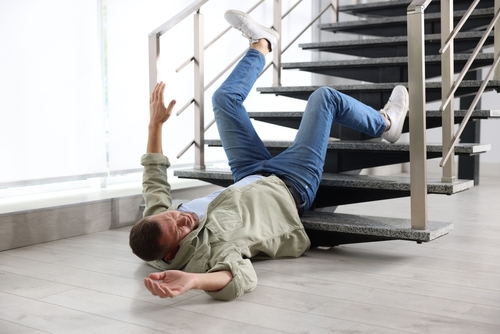
When a Fall in Your Condo Building Turns Your Life Upside Down
You’re carrying groceries through your condominium’s lobby when suddenly your feet slip on a wet floor with no warning sign. In seconds, you’re on the ground with throbbing hip pain, wondering who’s responsible for this dangerous condition. This scenario plays out thousands of times across Florida condominiums, leaving injured residents confused about who maintains these shared spaces and who should pay for medical bills.
Understanding responsibility for common area maintenance in Florida condominiums can mean the difference between recovering fair compensation and being left with mounting medical expenses. When accidents happen in hallways, lobbies, pool areas, or parking lots, determining liability requires understanding complex Florida laws governing condominium associations and their maintenance duties.
???? Pro Tip: Document everything immediately after a fall – take photos of the hazard, get witness contact information, and report the incident to both the property manager and board of directors in writing within 24 hours.
Don’t let a slip in your condo take a slip on your wallet. Reach out to Attorney Big Al at 1-800-HURT-123 and ensure you get the compensation you deserve. Call us at 1-800-487-8123 or contact us today for a helping hand.
Your Rights When Injured in Florida Condo Common Areas
Under the Florida Condominium Act (Chapter 718), maintenance of common elements is the association’s responsibility, not individual unit owners. When you slip and fall in a hallway, stairwell, or other shared space, the condominium association typically bears responsibility for dangerous conditions that caused your injury. Working with a slip and fall attorney in Florida helps ensure these legal responsibilities are properly enforced.
The Florida Civil Jury Instructions provide standardized guidance on how negligence and comparative negligence apply to these cases, meaning juries receive specific instructions about duty, breach, causation, and fault allocation in premises liability cases throughout Florida.
Common elements include all condominium property not within individual units – lobbies, hallways, stairwells, elevators, pools, fitness centers, parking areas, and walkways. The association’s duty to maintain these areas safely creates a legal obligation that, when breached, can result in liability for injuries.
???? Pro Tip: Review your condominium’s declaration documents to understand exactly which areas are designated as common elements versus limited common elements, as this distinction affects maintenance responsibility.
The Path from Injury to Resolution in Condo Slip and Fall Cases
Understanding the timeline of a condominium slip and fall case helps injured victims know what to expect. Florida law imposes strict deadlines, and missing them can eliminate your right to compensation. Here’s what typically unfolds after a common area accident:
- Immediate Response (0-48 hours): Seek medical treatment, document the scene, and formally notify the association – prompt notice strengthens claims significantly
- Investigation Phase (Weeks 1-4): The association’s insurance company begins investigating while you should consult with a slip and fall attorney in Florida
- Medical Documentation (Ongoing): Continue treatment while maintaining detailed records for determining damages
- Demand and Negotiation (Months 2-6): Your attorney presents evidence of the association’s negligence and your damages to seek fair settlement
- Litigation if Necessary (6+ months): If settlement fails, filing suit must occur within Florida’s two-year statute of limitations
???? Pro Tip: Never accept a quick settlement from the association’s insurance company without legal consultation – initial offers rarely reflect the true value of your claim, especially if you’re still treating for injuries.
Getting Justice with Help from a Florida Slip and Fall Attorney
Successfully resolving a condominium slip and fall case requires proving the association knew or should have known about the dangerous condition and failed to address it. Under Florida law, associations must perform required maintenance and obtain proper protocols from licensed professionals. When they fail in these duties, victims deserve compensation. Attorney Big Al at 1-800-487-8123 understands how to build strong cases by gathering maintenance records, inspection reports, and prior complaint documentation.
Florida’s comparative negligence rules mean that if you are 50% or less at fault for your fall, you can still recover damages reduced by your percentage of fault; however, if you are found to be more than 50% at fault, you cannot recover any damages under Florida’s modified comparative negligence system enacted in March 2023. For instance, if a jury finds you 20% at fault for not watching where you were walking, but the association 80% at fault for leaving a hazard unmarked, you’d recover 80% of your total damages. An experienced condominium accident lawyer in Florida knows how to minimize your fault percentage while maximizing the association’s responsibility.
???? Pro Tip: Request copies of all maintenance logs, inspection reports, and board meeting minutes discussing the area where you fell – these records often contain admissions of known hazards.
Understanding Florida’s Common Element Categories and Maintenance Standards
Florida law creates distinct categories of condominium property that determine maintenance responsibility. Common elements encompass all property not within units, while limited common elements serve particular units but remain collectively owned. This distinction matters because while associations maintain most common areas, declarations can assign limited common element maintenance to specific unit owners – creating potential confusion when accidents occur.
Special Rules for Safety Equipment and Building Features
The Florida Condominium Act includes provisions in Section 718.113 regarding hurricane shutters and hurricane protection systems. Association responsibility for maintaining, repairing, and replacing such hurricane protection depends on what is specified in the declaration of condominium — the association is responsible only if that responsibility is assigned to the association pursuant to the declaration. The statute addresses hurricane protection (for example, shutters, impact-resistant glass, and code-compliant windows and doors) rather than a broad category of "safety equipment." When associations fail to maintain storm protection devices or allow them to create hazards, they may face liability under general premises liability principles. A slip and fall attorney in Florida can investigate whether improper maintenance of those features contributed to your accident, as these violations often demonstrate negligence.
???? Pro Tip: Check if your accident involved any building code violations – associations must ensure all common area modifications comply with current codes, and violations create strong evidence of negligence.
Building Your Strongest Case Through Evidence and Expert Analysis
Successful condominium slip and fall cases rely on comprehensive evidence showing how the association’s negligence caused your injuries. Strong cases often include surveillance footage from common area cameras, maintenance company records showing delayed repairs, and testimony from other residents about ongoing hazards. The Florida Civil Jury Instructions emphasize that associations must use reasonable care to maintain premises in a reasonably safe condition.
The Role of Property Management Companies
Many Florida condominiums hire management companies to handle daily operations and maintenance. These companies may share liability when their negligence contributes to dangerous conditions. Understanding contractual relationships between associations, management companies, and maintenance contractors helps identify all potentially responsible parties. Your slip and fall lawyer in Florida should investigate these relationships to ensure all liable parties contribute to your compensation.
???? Pro Tip: Request the association’s budget and financial statements – chronic underfunding of maintenance reserves often indicates deferred maintenance that strengthens negligence claims.
Frequently Asked Questions
Common Concerns About Condo Slip and Fall Cases
Many injured residents hesitate to pursue claims against their condominium associations, worrying about retaliation or increased assessments. Understanding your rights and the legal process helps alleviate these concerns while protecting your interests.
???? Pro Tip: Document all communications with board members or property managers about your accident in writing – verbal conversations often get disputed later.
Understanding the Legal Process and Next Steps
The path forward after a condominium slip and fall involves strategic decisions about medical treatment, evidence preservation, and legal representation. Making informed choices early protects your rights and strengthens your eventual claim.
???? Pro Tip: Keep a daily journal documenting your pain levels, mobility limitations, and how injuries affect your daily activities – this personal record provides powerful evidence of your damages.
1. What qualifies as a common element where the association bears responsibility?
Under Florida Statutes Chapter 718, common elements include all condominium property not within individual units – lobbies, hallways, stairwells, elevators, roofs, pools, parking areas, and walkways. The association must maintain these areas unless the declaration specifically assigns limited common elements to individual owners.
2. How long do I have to file a slip and fall lawsuit against my condo association in Florida?
Florida’s statute of limitations gives you two years from the date of your slip and fall to file a lawsuit. However, acting quickly is crucial – evidence disappears, witnesses forget details, and surveillance footage gets overwritten. Consulting with a Florida slip and fall attorney immediately protects your rights.
3. Can I still recover damages if I was partially at fault for my fall?
Yes, Florida follows comparative negligence rules. As long as you’re not more than 50% at fault, you can recover damages reduced by your fault percentage. If you’re 30% at fault for texting while walking, you’d still recover 70% of your total damages.
4. What if the dangerous condition was caused by another resident or contractor?
The association may still bear responsibility if they knew or should have known about the hazard and failed to address it. Associations can also be liable for negligently hiring or supervising contractors. Your condominium accident lawyer in Florida will investigate all potentially responsible parties.
5. Will pursuing a claim increase my condo assessments or cause retaliation?
Associations carry liability insurance specifically for these situations, and claims are typically paid by insurance rather than special assessments. Florida Statute 83.64 prohibits landlords from retaliating against tenants under the Florida Residential Landlord Tenant Act; condominium unit owners have similar statutory anti-retaliation protections under Florida Statute 718.1224, which prohibits associations from retaliating against unit owners who exercise their rights, file complaints, or make public statements critical of association management. An experienced attorney ensures your rights are protected throughout the process.
Work with a Trusted Slip and Fall Lawyer
When condominium associations fail to maintain safe common areas, innocent residents suffer serious injuries that disrupt their lives and finances. Understanding your rights under Florida’s complex condominium laws requires guidance from attorneys who handle these specific cases regularly. The intersection of premises liability law and condominium governance creates unique challenges that general practice attorneys may not fully understand.
If you’ve been injured in a slip and fall accident in your condominium’s common areas, don’t let the association’s insurance company minimize your claim or blame you for their negligence. Attorney Big Al at 1-800-487-8123 has extensive experience holding condominium associations accountable for dangerous conditions. Contact us today for a free consultation to understand your rights and explore your options for recovering the compensation you deserve.
Don’t let a slip-up in your condo upend your life and finances. Connect with Attorney Big Al at 1-800-HURT-123 for support in navigating this challenging time. Reach out now at 1-800-487-8123 or contact us to explore your path to compensation.
