

Building the Case: How Florida Injury Lawyers Establish Who Is at Fault
Key Takeaways: A personal injury lawyer in Florida proves fault by establishing negligence under Chapter 768, then identifying responsible parties and assigning fault percentages under the state’s modified comparative fault system. Because Florida no longer follows joint and several liability, courts enter judgment against each party based on their share of blame, and anyone found more than 50 percent at fault cannot recover damages. Lawyers build the case with liability evidence such as crash reports, photos, witness statements, and medical records, while anticipating attempts to shift blame onto nonparties. Special procedural rules and damage caps apply when a government entity is involved, and strict deadlines, generally two years from the date of injury, can permanently bar a claim if missed. Proving fault requires investigation, statutory knowledge, and early documentation to protect your right to fair compensation.
When you are hurt because someone else was careless, the central question becomes proving that their negligence caused your harm. In Florida, a personal injury lawyer identifies every responsible party, gathers liability evidence, and assigns a percentage of fault to each under the state’s comparative fault framework. This process matters because Florida law ties your recovery directly to how fault is apportioned, so building a clear, well-documented case is essential from day one.
📞 If you were injured in Broward County and need clear guidance, reach out to Attorney Big Al at 1-800-HURT-123 today. You can call 1-800-487-8123 for a free consultation or contact our team online to discuss your next steps.
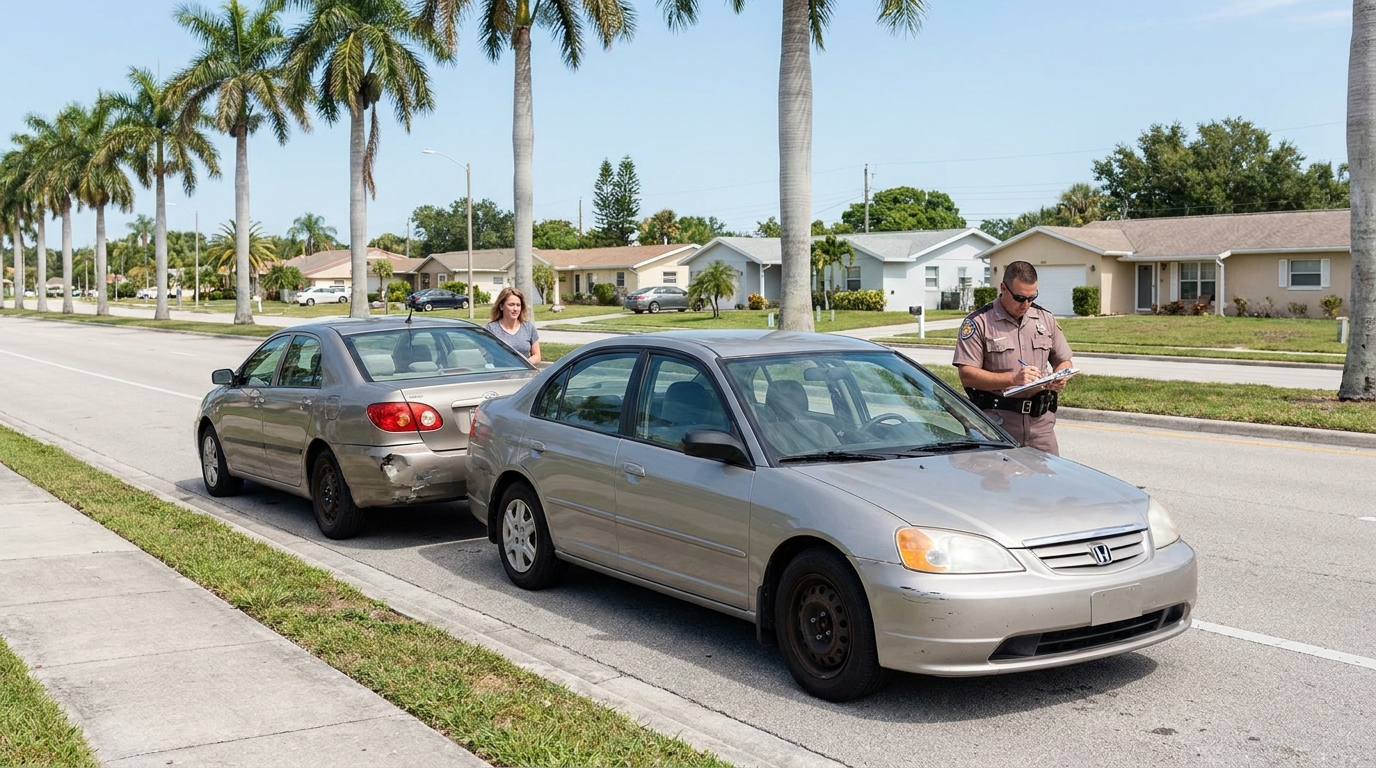
The Foundation: What Does a Personal Injury Lawyer Do to Establish Negligence?
Proving fault begins with establishing negligence, the legal backbone of nearly every Florida injury claim. A lawyer must show that a negligent or wrongful act or omission caused the injury. Under F.S. 768.28(1), tort recovery is allowed for injury caused by the negligent or wrongful act or omission of any employee acting within the scope of employment, where a private person would be liable.
Understanding what does a personal injury lawyer do at this stage helps you see why documentation is so important. Florida’s method for allocating fault is codified in Statute 768.81, titled Comparative fault, within Chapter 768 (Negligence) of the Florida Statutes. You can review Florida’s negligence statutes, which set out how courts treat these cases. A knowledgeable Florida negligence attorney uses this framework to frame the entire claim.
💡 Pro Tip: The sooner you preserve photos, witness contact information, and medical records, the stronger your liability evidence in Florida will be. Memories fade and physical evidence disappears quickly after an accident.
Apportioning Blame: How Fault Percentages Shape Your Claim
Florida does not follow the doctrine of joint and several liability in negligence actions. Instead, the court enters judgment against each party liable on the basis of that party’s percentage of fault. This means a lawyer must carefully identify and assign fault percentages to every responsible party, including people or companies who were never formally named in the lawsuit.
Shifting blame onto a nonparty is not automatic and requires proof. Under Florida law, a defendant must prove at trial, by a preponderance of the evidence, the fault of the nonparty in causing the plaintiff’s injuries. A plaintiff’s lawyer must anticipate this tactic and be ready to rebut attempts to point fingers at absent parties. The comparative fault rules apply broadly to negligence, strict liability, products liability, and professional malpractice, whether couched in terms of contract or tort.
The 50 Percent Threshold Under Florida’s Modified Comparative Fault
Florida uses a modified comparative fault system that can significantly reduce or eliminate recovery. Under Chapter 2023-15, the 2023 tort reform legislation, any party found to be greater than 50 percent at fault for his or her own harm may not recover any damages. If you are found 50 percent or less at fault, you may still recover, but your award is reduced in proportion to your share of the blame.
This threshold is why aggressive, accurate fault-building is so critical to your outcome. Chapter 2023-15 (HB 837) directly governs how comparative negligence and liability standards are used to prove and apportion fault, and it applies to negligence actions filed on or after its March 24, 2023 effective date. This bar does not apply to medical malpractice actions brought under Chapter 766, which remain governed by pure comparative negligence.
💡 Pro Tip: Avoid giving recorded statements to an insurance adjuster before speaking with counsel. Insurers may use your own words to push your fault percentage above the 50 percent line.
Here is a simplified look at how comparative fault can affect a hypothetical claim:
| Plaintiff’s Fault | Effect on Recovery |
|---|---|
| 0% | Full recoverable damages |
| 25% | Award reduced by 25% |
| 50% | Award reduced by 50% |
| 51% or more | Barred from recovering damages |
Gathering the Proof: Evidence That Supports a Fault Case
Strong liability evidence is what separates a persuasive claim from a disputed one. A lawyer builds the record using several categories of proof, each helping to establish who caused the Florida accident and to what degree. Preserving crucial details early can protect your rights.
Commonly used forms of proof in a Florida accident fault investigation include:
- Police or crash reports and official incident documentation
- Photographs and video of the scene, vehicles, and injuries
- Witness statements and contact information
- Medical records connecting the injury to the incident
- Surveillance footage, phone records, or maintenance logs
For crash cases in particular, knowing what to collect at the scene makes a measurable difference. Our guide on evidence to gather after a car crash walks through practical steps that support proving fault in Florida.
💡 Pro Tip: Follow through with all recommended medical treatment. Gaps in care are frequently used to argue that an injury was minor or unrelated to the crash.
Special Rules When a Government Entity Is Involved
Claims against a city, county, or state agency follow additional procedural requirements. When your injury involves a public bus, a state-owned vehicle, or a poorly maintained public road, an action may not be instituted against the state or one of its agencies unless the claimant presents the claim in writing to the appropriate agency within 3 years after the claim accrues, and wrongful death claims must be presented within 2 years. These administrative claim deadlines are separate from the civil lawsuit timeline and must be handled correctly.
Government defendants are held to the same fault standard as private individuals, but recovery may be capped. Under F.S. 768.28, the state and its subdivisions waive sovereign immunity only to the extent specified in the statute, permitting an action when the state or such agency or subdivision, if a private person, would be liable to the claimant. However, F.S. 768.28(5) limits payment to $200,000 per person and $300,000 per incident, with any excess recoverable only through a legislative claim bill. An officer, employee, or agent of the state may not be held personally liable in tort for acts within the scope of employment unless the person acted in bad faith, with malicious purpose, or with wanton and willful disregard of human rights, safety, or property.
Deadlines That Can Make or Break Your Injury Claim
Time limits are among the most unforgiving rules in Florida injury law. Generally, for negligence claims accruing on or after March 24, 2023, an injured person has only two years from the date of the injury to file a personal injury lawsuit founded on negligence, and a two-year window also applies to wrongful death claims, measured from the date of death. Missing this deadline typically results in the permanent loss of the right to sue. You can review the controlling text through Florida’s limitations statutes.
Extensions of these deadlines are limited and interpreted narrowly by courts. Florida law provides that a disability or other reason does not toll the running of any statute of limitations except those specified in the statute. Enumerated tolling events include absence from the state, use of a false name, concealment to avoid service, and adjudicated incapacity. Tolling does not apply automatically, so you should never assume your deadline has been extended. Working with a trusted Florida negligence attorney who understands local courts can help protect your claim.
Frequently Asked Questions
1. What does a personal injury lawyer do first in a Florida fault case?
A lawyer generally begins by investigating the incident and preserving evidence. This includes gathering reports, photos, and witness accounts to establish negligence and causation. The goal is to build a documented record before evidence disappears and before any applicable deadline approaches.
2. How does comparative negligence in Florida affect my recovery?
Your recovery may be reduced by your own percentage of fault. If you are found 50 percent or less at fault, your award is reduced proportionally. If you are more than 50 percent at fault, you may be barred from recovering damages under Chapter 2023-15, unless your case is a medical malpractice claim under Chapter 766, which remains under pure comparative negligence.
3. Can I still sue if a government vehicle caused my injury?
You may, but additional procedural rules apply. You generally must present a written claim to the appropriate agency within the statutory period before filing suit, and recovery may be capped. These government administrative deadlines are separate from the standard civil lawsuit timeline.
4. How long do I have to file an injury claim in Florida?
In many cases, you have two years from the date of the injury. This two-year deadline applies to general negligence claims accruing on or after March 24, 2023, as well as wrongful death actions, though the wrongful death period runs from the date of death. Because exceptions are interpreted narrowly, you should confirm your specific deadline promptly.
5. What if the other side blames someone who was not sued?
A defendant may attempt to assign fault to a nonparty. To do so, they must affirmatively plead and prove that person’s fault by a preponderance of the evidence at trial. A plaintiff’s lawyer prepares to challenge this strategy directly.
Protecting Your Right to Fair Compensation
Proving fault in Florida is a detailed process that blends investigation, statutory knowledge, and careful strategy. From establishing negligence under Chapter 768 to navigating comparative fault, government claim rules, and strict filing deadlines, each step influences whether and how much you can recover. Understanding your options early gives you the strongest footing.
📞 Do not let a missed deadline or an unfair fault percentage cost you the compensation you deserve. Contact Attorney Big Al at 1-800-HURT-123 by calling 1-800-487-8123 or reaching out through our contact page to discuss how we can help you pursue your Florida injury claim.
