
Wet Floors Cause Over Half of All Falls: What Florida Victims Need to Know
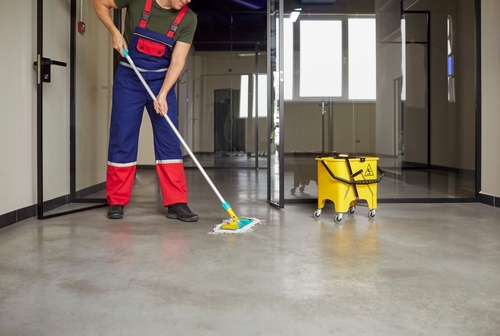
Wet floors account for roughly 55% of all fall-related incidents, making them one of the most common hazards in grocery stores, restaurants, and commercial spaces across Florida. If you slipped on a wet surface and suffered injuries, you may be facing medical bills, lost wages, and uncertainty about your legal options. Florida law provides important protections for slip and fall victims, but recovering compensation requires understanding premises liability, what evidence to preserve, and how property owners may try to deny your claim. Knowing your slip and fall rights in Florida can make the difference between a successful claim and a denied one.
If you were hurt in a wet floor accident in Florida, Attorney Big Al at 1-800-HURT-123 is ready to help. Call 1-800-487-8123 or reach out online today to discuss your case.
How Premises Liability Protects Slip and Fall Victims in Florida
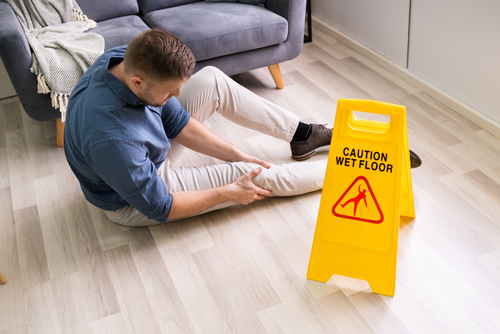
Premises liability is the legal framework that holds property controllers accountable when hazardous conditions on their property cause harm to visitors. To succeed in a wet floor slip and fall case, you must prove four elements: the property owner owed you a duty of care, they breached that duty, the breach caused your fall, and you suffered actual damages.
Your status as a visitor plays a critical role in determining your legal protections. Florida law recognizes three categories: invitees, licensees, and trespassers. Customers shopping in a store or dining in a restaurant are typically classified as invitees under premises liability law, receiving the highest level of protection. Property owners owe invitees a duty to inspect the premises, repair known hazards, and warn of dangerous conditions they know about or should reasonably discover.
💡 Pro Tip: If you were a paying customer or invited guest when you fell, you are likely classified as an invitee, which means the property owner owed you the highest standard of care under Florida law.
Florida’s Transitory Foreign Substance Rule: Proving the Business Knew
One of the biggest hurdles in a wet floor negligence case is proving the business knew about the hazard. Under Florida Statute §768.0755, if you slip on a transitory foreign substance in a business establishment, you must prove the business had actual or constructive knowledge of the dangerous condition and should have taken action to remedy it.
Constructive knowledge can be established in two key ways. First, you may show the dangerous condition existed long enough that the business should have known about it through ordinary care. Second, you can demonstrate the condition occurred with regularity and was therefore foreseeable. For example, if a grocery store consistently has water pooling near its produce section, that pattern may establish constructive knowledge. Learn more about Florida’s transitory foreign substance rule.
💡 Pro Tip: Dirt tracks through a puddle, dried edges, or lack of "wet floor" signage can serve as evidence that the business should have discovered and addressed the hazard.
What to Do Immediately After a Slip and Fall on a Wet Floor
The steps you take after a fall can significantly strengthen or weaken your claim. Here is what you should do:
- Seek medical attention immediately, even if injuries seem minor. Some conditions like concussions may not present symptoms right away.
- Report the incident to the property owner or manager and request a written incident report.
- Document the scene by photographing the hazard from multiple angles, the surrounding area, lighting conditions, and any lack of warning signs.
- Collect witness information, including names and phone numbers of anyone who saw the fall or hazardous condition.
- Preserve your footwear from the incident, as opposing parties may argue your shoes contributed to the fall.
Be cautious with insurance adjusters. Most premises liability claims are covered by the property owner’s insurance policy. Insurance adjusters may request recorded statements early in the process, but providing one without legal counsel can jeopardize your claim.
💡 Pro Tip: Do not post about your fall or injuries on social media. Insurance companies routinely monitor claimants’ accounts to find posts that could minimize or deny your claim.
Defenses Property Owners Use Against Wet Floor Slip and Fall Claims
Property owners and their insurers rely on several common defenses to reduce or eliminate liability. Understanding these tactics helps you anticipate challenges. The table below outlines the most frequently raised defenses in slip and fall cases.
| Defense | What It Means | How It May Affect Your Claim |
|---|---|---|
| Open and Obvious Danger | The hazard was visible enough that a reasonable person would have noticed and avoided it | May reduce or eliminate the property owner’s liability |
| Comparative Negligence | You were partially at fault for the accident (e.g., texting while walking) | Your compensation is reduced by your percentage of fault, and if you are found more than 50% at fault, you are barred from recovering any damages |
| Lack of Notice | The property owner claims they did not know and had no reason to know about the hazard | May defeat your claim if you cannot prove actual or constructive knowledge |
| Pre-existing Condition | The defense argues your injuries existed before the fall | May reduce damages if medical records are not clear |
The Open and Obvious Hazard Defense
This defense argues that a reasonable person would have noticed the dangerous condition and avoided it. For example, a large, clearly visible puddle in a well-lit area might be considered open and obvious. However, factors like poor lighting, distractions, or the business environment can work in your favor.
Comparative Negligence in Florida
Florida follows a modified comparative negligence system under Florida Statute §768.81, as amended by HB 837 in 2023. If you are found 50% or less at fault, your financial recovery is reduced by your percentage of fault. However, if you are found more than 50% at fault, you are completely barred from recovering any damages. For instance, if a jury determines you were 20% responsible for not noticing a wet floor, your compensation is reduced by 20%, but if you were 51% at fault, you recover nothing. This makes it critical to work with a slip and fall attorney in Florida who can help minimize fault assigned to you.
Pre-existing Conditions as a Defense Tactic
Insurers often argue that your injuries resulted from a pre-existing medical condition rather than the fall. This is why thorough medical documentation immediately after your accident is essential. Medical records that clearly link your injuries to the fall help counter this defense.
💡 Pro Tip: Be transparent with your doctor about your medical history and current symptoms. Accurate records showing how the fall aggravated a pre-existing condition or caused new injuries can neutralize this defense.
How a Slip and Fall Attorney in Florida Protects Your Rights
Navigating a wet surface fall injury claim on your own puts you at a significant disadvantage. A Florida fall accident lawyer can investigate the scene, gather surveillance footage before it is overwritten, identify witnesses, and build a case establishing the property owner’s negligence. Your attorney also handles communications with insurers so you avoid damaging statements.
Time is critical in any slip and fall claim. Under Florida Statute §95.11, as amended by HB 837 in 2023, the statute of limitations for negligence-based personal injury cases is two years from the date of injury. Filing deadlines are strict, and exceptions are interpreted narrowly. Acting promptly protects both your evidence and your legal rights.
💡 Pro Tip: Surveillance footage is often recorded over within days or weeks. Contacting an attorney quickly increases the chance of preserving this key evidence.
Frequently Asked Questions
1. What do I need to prove in a wet floor slip and fall case in Florida?
Under Florida Statute §768.0755, you must prove the business had actual or constructive knowledge of the dangerous condition and should have remedied it. You also need to establish the standard elements of negligence: duty of care, breach, causation, and damages.
2. Can I still recover compensation if I was partially at fault for my fall?
Florida uses a modified comparative negligence system with a 51% bar. If you are found 50% or less at fault, your recovery is reduced by your percentage of fault. If you are more than 50% at fault, you are barred from recovering any damages.
3. How long do I have to file a slip and fall lawsuit in Florida?
The statute of limitations for negligence-based personal injury claims, including slip and falls, is two years from the date of injury. Courts interpret tolling exceptions narrowly, so consult with a slip and fall attorney in Florida as soon as possible to protect your right to file.
4. What if the property owner says the wet floor was obvious and I should have seen it?
The open and obvious defense does not automatically bar your claim. Courts consider factors such as lighting, distractions, whether warning signs were posted, and whether the business took reasonable steps to address the hazard.
5. Why do insurance companies ask about my pre-existing medical conditions?
Insurers use pre-existing conditions to argue your injuries were not caused by the fall. Detailed medical records from immediately after the incident help demonstrate the connection between the accident and your injuries.
Take Action to Protect Your Slip and Fall Rights in Florida
Wet floor accidents can leave you dealing with serious injuries, unexpected expenses, and a complicated legal process. Florida law provides meaningful protections for slip and fall victims, but successfully pursuing a claim requires prompt action, thorough evidence, and understanding how property owners and insurers may challenge your case. Every detail matters, from the photos you take at the scene to the medical records you compile.
Do not face this process alone. Attorney Big Al at 1-800-HURT-123 has extensive experience helping Hollywood FL slip and fall victims recover the compensation they deserve. Call 1-800-487-8123 or contact us now for a free consultation about your case.
