

Are lawyer fees negotiable? 5 Smart Steps
Are Lawyer Fees Negotiable? The Quick Answer
Hiring a lawyer can feel like a big step, and if you’re wondering are lawyer fees negotiable, the good news is yes, often they are. Don’t let the thought of high legal costs stop you from getting the help you need.
Here’s the quick truth:
- Most lawyer fees are negotiable.
- This includes hourly rates, flat fees, and even the percentages for contingency fees.
- Your ability to negotiate depends on many things, like your case, the lawyer’s workload, and how you approach the talk.
- Many lawyers are open to discounts, payment plans, or changing how they charge.
It’s natural to feel worried about legal costs. Many people do. But keeping quiet about money can mean you pay more than you need to. You’re hiring a service, and it’s okay to discuss prices and find a fair deal.
This guide will show you how to talk about fees like a pro. We’ll help you understand your options and how to ask for what you need.
Understanding the Bill: Common Fee Structures in Florida
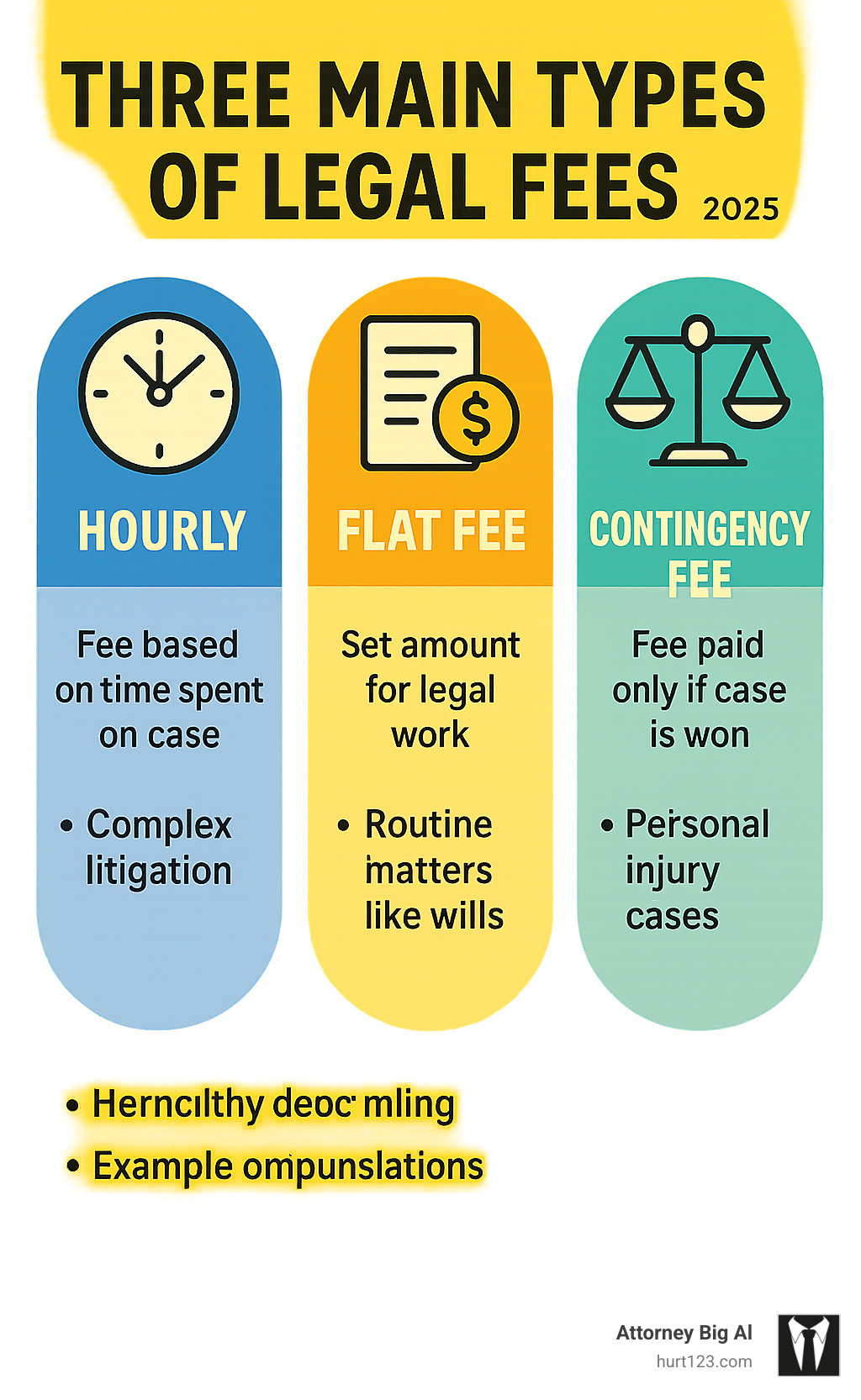
Before we dive into how to talk about money with a lawyer, let’s get clear on how they usually charge for their services. Knowing these different ways will give you a strong start for any discussions. In Florida, just like in most places, lawyers use a few main ways to bill their clients.
Understanding these fee structures helps you know what to expect before you even start negotiating. It takes away some of the mystery around legal costs, making you feel more in control.
The Hourly Rate: Paying for Time
The hourly rate is a very common way lawyers bill clients. It means you pay for every hour, or even part of an hour, that the lawyer and their team spend working on your case. These rates can change a lot, but for many types of cases, they typically range from $125 to $350 per hour.
When you talk about hourly rates, it’s super important to ask about billing increments. Some lawyers might charge in 15-minute intervals. This means if you have a quick 5-minute phone call, you could still be charged for a full 15 minutes. But if they charge in 6-minute intervals, that same call costs much less. Over a longer case, these small differences can really add up!
Billable hours cover a lot of different tasks. This includes things like legal research, writing documents, phone calls, emails, going to court, and even travel time. Make sure to ask what’s included in the hourly rate. Also, find out if other team members, like paralegals, will work on your case and what their rates are. Often, using team members with lower hourly rates for certain tasks can help keep your overall bill down.
The Flat Fee: One Price for a Specific Service
A flat fee is just what it sounds like: a set price for a specific legal service. This amount doesn’t change, no matter how long the lawyer spends on your case. This setup usually works best for routine legal matters where the work involved is clear and predictable.
Think about simple tasks like:
- Drafting a will
- Real estate closings
- Uncontested divorce
When you consider a flat fee, always clarify exactly what services are included. Ask if things like filing fees or other paperwork costs are part of the flat fee, or if they will be added later. It’s always a good idea to compare flat fees from a few different lawyers for the same service to make sure you’re getting a fair price.
The Contingency Fee: Paying Only if You Win
For personal injury cases, especially those involving car accidents, the contingency fee is a huge help. This means you don’t pay any money upfront. The lawyer only gets paid if they successfully win your case, either through a settlement or a court award. Their payment is a percentage of the money you receive, usually somewhere between 33% to 40%. This way, your lawyer’s success is tied directly to yours – they only win when you win!
In Florida, the Florida Bar has rules about what is a reasonable contingency fee. For personal injury cases, it’s often one-third (33.3%) if your case settles before a lawsuit is filed. If it goes to court, or after a lawsuit is filed, it’s typically 40% for the first $1,000,000 recovered. Percentages might go down for amounts over that. You can read more about what the Florida Bar considers a reasonable fee on their website.
A really important question to ask your lawyer is whether their percentage is calculated before or after case expenses are taken out. This can make a big difference in how much money you actually receive. For example, if you win $100,000 and have $20,000 in expenses, the difference could be thousands of dollars! Always make sure this is clearly written in your agreement.
Retainers, Costs, and Expenses: The Other Charges on Your Bill
Besides the main fee structure, there are other financial details to understand:
-
Retainer fee explained: Think of a retainer fee as an upfront down payment you give to your lawyer. It’s like a deposit account that the lawyer bills their time and services against as they work on your case. Once this fund gets low, you’ll usually need to add more money to it, or you’ll start paying your bills directly. This is common for ongoing legal needs.
-
Case-related expenses: These are separate from your lawyer’s fee. They cover the direct costs of handling your case. These can include:
- Filing fees: What the court charges to file paperwork.
- Expert witness fees: Costs for specialists (like doctors) who might need to give a statement or testify. These can be quite high.
- Deposition costs: Fees for court reporters and video services when talking to witnesses before a trial.
- Postage and copying: Basic office costs for sending and duplicating documents.
- Travel expenses: If the lawyer needs to travel for your case.
It’s crucial to know which of these expenses you’ll be responsible for. Especially in contingency fee cases, you might still owe these expenses even if your lawyer doesn’t get paid their fee because the case didn’t win. Being clear about this upfront avoids surprises later.
So, Are Lawyer Fees Negotiable in Fort Lauderdale? The Definitive Answer
Yes, in many cases, lawyer fees are lawyer fees negotiable! It’s a common misconception that legal fees are set in stone. Even if a lawyer doesn’t explicitly advertise negotiation, many are quite flexible. This applies to various fee structures, whether it’s an hourly rate, a flat fee for a specific service, or even the percentage for contingency fees. The real trick is to approach the discussion smartly and understand where you have the most sway.
Factors That Influence a Lawyer’s Willingness to Negotiate
A few things can really make a difference in how open a lawyer is to adjusting their fees:
First off, consider your case strength and value. If you have a strong case that looks likely to succeed, especially one with a potentially large settlement (like a significant car accident claim), a lawyer might be more willing to negotiate their percentage or hourly rate. A high-value case can definitely give you a strong position.
Your client preparedness also plays a big role. When you come to that first chat with your documents neatly organized and a clear understanding of your situation, it shows the lawyer that your case might require less legwork on their part. This can make them more open to a reduced fee.
Think about the lawyer’s workload and the firm’s needs, too. If a law firm is actively looking to take on more cases, or if they’re relatively new to an area like Fort Lauderdale, they might be more flexible with their fees to build up their client base.
Even a lawyer’s experience and reputation can factor in. While highly experienced attorneys with great reputations often have higher standard fees, even they might be open to negotiation for a truly compelling case. Newer attorneys, or those aiming to grow their practice, might naturally offer more competitive pricing as they establish themselves.
Finally, geographical location matters. Legal fees can vary quite a bit from one city to another. For example, you might find that legal fees in a big city like Miami are different from those in a smaller one like Sunrise, or even places like Hollywood or Boca Raton. It’s always a good idea to do a little research on average rates in your specific area.
What Are ‘Unbundled’ Legal Services?

Sometimes, you don’t need a lawyer to handle your entire case from start to finish. This is where ‘unbundled’ legal services, also known as limited scope representation, come in handy. It means you hire a lawyer for just specific tasks, which can be a fantastic way to save money.
For instance, instead of full representation for a car accident claim, you might only need a car accident lawyer to:
- Draft a specific legal document, like a settlement proposal.
- Provide legal coaching or advice on a particular issue you’re facing.
- Review documents you’ve prepared before you file them yourself.
- Represent you for just one specific hearing or mediation session.
While some lawyers might hesitate to offer these “a la carte” services, it’s always worth asking if certain tasks can be unbundled to better fit your budget. For example, if you’re dealing with debt negotiation, an unbundled service might mean the lawyer drafts a settlement proposal, and you handle the rest of the negotiation directly with your creditors.
Are lawyer fees negotiable in every situation?
While the answer to “are lawyer fees negotiable” is often yes, there are a few situations where a lawyer’s flexibility might be limited:
Sometimes, statutory fees apply. This means that in very rare cases, legal fees are actually set by law, and there’s no room for negotiation.
If you’re assigned a lawyer by the court, say in certain criminal cases where you can’t afford one, their fees are generally not negotiable by you. These are known as court-appointed cases.
Highly specialized law firms that are very busy, perhaps because they’re in high demand, might have less reason to negotiate their standard rates. They’re often called high-demand law firms.
And while flat fees are generally negotiable, some fixed-fee advertisements for very routine matters might have less wiggle room. This is because these fees are often already set at a very competitive rate.
Even in these situations, it’s almost always worth having an open chat about your financial situation. You might be pleasantly surprised by the options available, such as payment plans or other alternative arrangements that can still help you get the legal support you need.
Your Step-by-Step Guide to Negotiating Legal Fees in Hollywood
Negotiating legal fees doesn’t have to be intimidating. By following these steps, you can approach the conversation with confidence and professionalism, increasing your chances of securing a favorable arrangement.
Step 1: Do Your Homework Before the Consultation
Frequently Asked Questions About Negotiating Lawyer Fees
It’s completely normal to have more questions when thinking about legal costs. Let’s tackle some common concerns you might have about working with a lawyer and discussing fees.
What if I can’t afford a lawyer even after negotiating?
Sometimes, even after talking about fees, the cost of legal help might still feel out of reach. But don’t give up! You still have options to get the legal support you need.
Many non-profit groups offer legal aid services, providing free or very low-cost help to people with limited incomes. It’s worth looking into these organizations in your area. Also, many dedicated lawyers offer their time through pro bono services, meaning they help for free. You can often find information about these programs through your local bar association. Some government-sponsored programs also offer legal help for specific issues, like housing or family matters.
And here’s a big one: many law firms are open to payment plans or installment plans. This means you can spread out the cost over time, making it much more manageable. For cases like personal injury, especially those involving car accidents, the contingency fee model is a true lifesaver. You pay nothing upfront, and your lawyer only gets paid if they win your case. This setup helps make sure everyone, no matter their financial situation, can seek justice.
Does negotiating a lower fee mean I’ll get lower quality service?
This is a common worry, and it’s a great question to ask. The short answer is: No, negotiating a lower fee absolutely does not mean you’ll get lower quality service.
Think of it this way: you’re not asking for less work, you’re just discussing the best way to pay for it. A lawyer’s core duty is to provide excellent, ethical representation. That commitment doesn’t change based on how the fee is structured or negotiated. In fact, having an open and honest conversation about fees can actually build a stronger, more trusting relationship between you and your lawyer. It shows transparency and a commitment to finding a solution that works for everyone.
It’s about finding a mutually agreeable rate that feels fair and aligns with your budget, not about cutting corners on the quality of your legal representation. When you negotiate, you’re simply working to ensure fair compensation that fits your situation.
Can I negotiate fees after I’ve already signed a contract?
Ideally, you want to nail down all fee discussions before you sign on the dotted line. Once you’ve signed a fee agreement, it becomes a legally binding contract. This means changing it afterward can be more challenging.
However, life happens, and sometimes circumstances change. If there are significant changes in your case’s situation, or if you feel there are unexpected deductions or that the fee doesn’t quite match the actual work (especially if your case settled much faster than expected), it’s always worth having a respectful conversation with your lawyer.
Many lawyers value client satisfaction and long-term relationships. They might be open to discussing adjustments, especially if they understand your concerns. Just remember to approach the discussion with clear reasons and an open mind. If you had a contingency fee agreement, and your car accident lawyer did the work to win your case, they are generally within their rights to stick to the agreed-upon percentage. If you’re truly confused or feel the bill is unfair after talking with your lawyer, you can reach out to your state’s bar association for guidance.
