
Hotel Slip and Fall Liability in Florida: What Injured Guests Need to Know
Key Takeaways: If you slip and fall at a Florida hotel, the hotel may be liable if it had actual or constructive knowledge of the hazardous condition. Under Florida Statute §768.0755, you must prove the hotel knew or should have known about the danger. Florida’s modified comparative negligence system under §768.81 may reduce your recovery if you share fault, and you cannot recover if found more than 50% at fault. Preserving evidence immediately after a fall is critical. An experienced slip and fall attorney in Florida can help you navigate these requirements and pursue compensation.
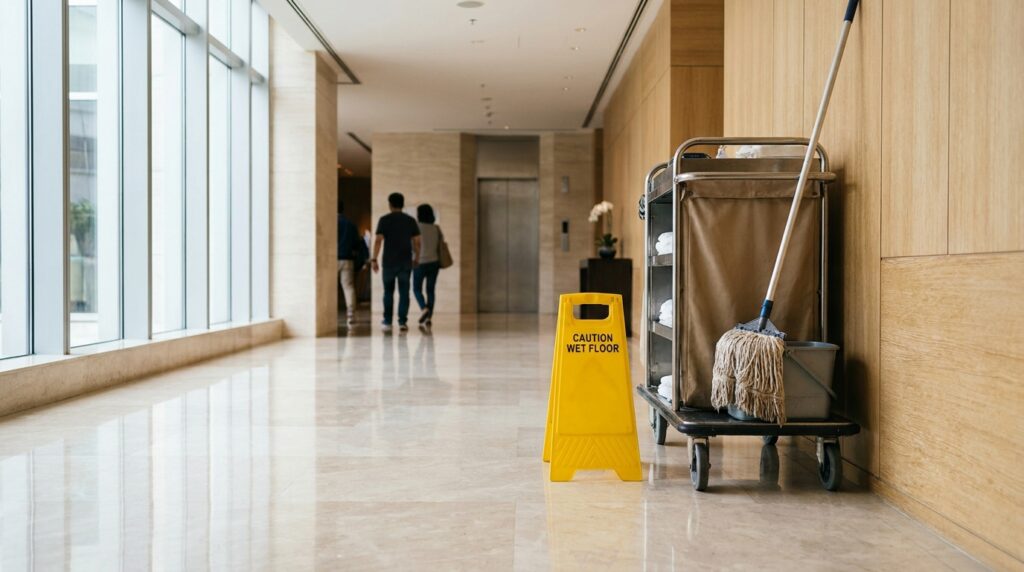
Yes, a hotel can be held liable for a slip and fall in Florida, but the injured guest carries a specific burden of proof. Whether you slipped on a wet pool deck, tripped over torn carpet, or fell on a mopped lobby floor, Florida law provides a pathway to seek compensation. However, winning requires more than showing you fell on the property. You must demonstrate the hotel knew about the dangerous condition or should have known about it through reasonable care.
If you were hurt in a hotel slip and fall in Florida, Attorney Big Al at 1-800-HURT-123 can help you understand your options. Call 1-800-487-8123 or reach out online today to discuss your case.
The Core Statute Governing Hotel Slip and Fall Cases
Florida Statute §768.0755 is the cornerstone legal provision for slip and fall cases involving transitory foreign substances in business establishments, including hotels. Under this statute, if a person slips and falls on a transitory foreign substance, the injured person must prove the business had actual or constructive knowledge of the dangerous condition and should have taken action to remedy it. A "transitory foreign substance" includes spilled liquids, tracked-in rainwater, food debris, or any temporary hazard on a walking surface.
Hotels qualify as business establishments under this law. As a paying guest, you are classified as an "invitee," meaning the hotel owes you the highest duty of care under Florida common law. The hotel must exercise reasonable care to maintain safe premises, inspect for hazards, and warn guests of known dangers. Section 768.0755(2) states that the statute does not affect any common-law duty of care, meaning it works alongside traditional legal obligations.
💡 Pro Tip: After any fall at a hotel, ask management to create a written incident report immediately. Request a copy for your records before leaving, as this document can become key evidence later.
Proving the Hotel Knew About the Hazard
Actual vs. Constructive Knowledge
To hold a hotel liable, you must establish it had either actual or constructive knowledge of the dangerous condition. Actual knowledge means hotel staff directly knew about the hazard, perhaps because a guest reported a spill or an employee created the condition. Constructive knowledge is more nuanced and often more relevant.
Under §768.0755(1)(a)-(b), constructive knowledge can be proven two ways:
- The dangerous condition existed long enough that, in the exercise of ordinary care, the hotel should have known of it.
- The condition occurred with regularity and was therefore foreseeable.
For example, if a leaking ice machine routinely creates puddles in a corridor, that recurring hazard may establish constructive knowledge even without a specific complaint on the day of your fall. Similarly, if witnesses or surveillance footage show a spill sat on a lobby floor for 30 minutes with no cleanup effort, that duration may satisfy the "length of time" standard. Learn more about proving a business knew about a hazard and what evidence strengthens these claims.
💡 Pro Tip: Take photos and videos of the hazard, your injuries, and the surrounding area immediately. Look for nearby surveillance cameras and note their locations, as footage may be overwritten within days if not preserved.
Evidence That Can Support Your Claim
Building a strong premises liability hotel Florida case depends on gathering the right evidence quickly. The following documentation may help establish the hotel’s knowledge or negligence:
- Surveillance footage from hotel cameras
- Maintenance logs and inspection records
- Incident reports filed with hotel management
- Witness statements from other guests or employees
- Photographs of the hazardous condition and your injuries
- Medical records documenting the timing and nature of injuries
| Type of Evidence | What It May Prove | Where to Obtain It |
|---|---|---|
| Surveillance video | How long the hazard existed before the fall | Hotel security or management |
| Maintenance/inspection logs | Whether staff followed routine safety checks | Discovery during litigation |
| Incident report | Hotel’s awareness of the fall and conditions | Hotel front desk or manager |
| Medical records | Causation and extent of injuries | Your treating physicians |
| Witness statements | Condition of the area before and after the fall | Other guests or hotel staff |
💡 Pro Tip: Seek medical attention the same day as your fall, even if injuries seem minor. Delayed treatment creates gaps that insurance companies may use to argue your injuries were not caused by the incident.
Florida’s Comparative Negligence Rule and Your Recovery
Florida follows a modified comparative negligence system under §768.81, which directly affects your compensation. Under this framework, your damages are reduced by your percentage of fault. If a court determines you were 20% responsible for your fall, your total recovery is reduced by 20%. More critically, under §768.81(6), if you are found more than 50% at fault, you cannot recover damages.
Hotels and their insurers frequently argue comparative fault to reduce payouts. They may claim you were distracted by your phone, wearing inappropriate footwear, or ignored visible warning signs. Documenting that you were walking carefully and that no warnings were posted can help minimize fault assigned to you.
Additional Florida Statutes That May Affect Your Hotel Fall Claim
Criminal Acts by Third Parties on Hotel Premises
If your injury involved a criminal act by a third party, a separate statute may apply. Under Florida Statute §768.0701, the trier of fact must consider the fault of all persons who contributed to the injury. If a third party’s criminal conduct contributed to your fall, the hotel’s share of liability may be weighed against the third party’s fault. These cases involve complex allocation-of-fault questions requiring experienced legal guidance.
Trespassers vs. Invited Guests
Florida Statute §768.075 provides hotels with limited liability protections for injuries to trespassers. This distinction matters because the high duty of care applies specifically to lawful guests and invitees. If you were a registered guest or authorized visitor at the time of your fall, you are entitled to the full protections of Florida premises liability law.
💡 Pro Tip: Keep your hotel reservation confirmation, room key card, and receipts. These documents help establish your status as a paying guest and invitee, which entitles you to the highest standard of care.
What to Do After a Slip and Fall at a Florida Hotel
Taking the right steps immediately after a fall can significantly strengthen your ability to pursue a claim. Report the incident to hotel management and insist on a written report. Photograph everything, including the hazard, surrounding area, footwear, and your injuries. Get contact information from witnesses. Seek medical treatment promptly and follow through with recommended care. Avoid giving recorded statements to the hotel’s insurance company without first speaking to a slip and fall attorney in Florida.
💡 Pro Tip: Do not post about your accident on social media. Insurance adjusters routinely monitor claimants’ social accounts for posts that could dispute the severity of your injuries or argue you were at fault.
Frequently Asked Questions
1. Do I have to prove the hotel knew about the wet floor before my fall?
Yes. Under Florida Statute §768.0755(1), you must prove the hotel had actual or constructive knowledge of the dangerous condition. You can satisfy this with circumstantial evidence showing the hazard existed long enough that the hotel should have found it, or that similar conditions occurred regularly.
2. What if I was partially at fault for my fall at a hotel in Florida?
Under Florida’s modified comparative negligence system in §768.81, your compensation is reduced by your percentage of fault. If you are found more than 50% at fault, you cannot recover damages. A slip and fall lawyer in Hollywood, FL can help you build a case that minimizes fault assigned to you.
3. What types of damages can I recover from a hotel fall claim in Florida?
You may recover economic damages such as medical bills and lost wages, as well as noneconomic damages like pain and suffering. Florida does not impose a general statutory cap on noneconomic damages in standard negligence cases. However, other limitations may apply depending on circumstances, such as claims involving government-owned properties subject to sovereign immunity caps under §768.28.
4. Does the hotel owe me a duty of care beyond what the slip and fall statute requires?
Yes. Florida Statute §768.0755(2) expressly preserves all common-law duties of care owed by a business to its guests. Hotels must exercise reasonable care to maintain safe premises, conduct inspections, and warn invitees of known dangers.
5. How long do I have to file a hotel slip and fall lawsuit in Florida?
Florida imposes a statute of limitations on negligence claims, and missing the deadline can permanently bar your case. Because deadlines vary and exceptions are interpreted narrowly by courts, consulting with an attorney promptly after your injury is strongly recommended.
Protecting Your Rights After a Hotel Fall in Florida
A slip and fall at a Florida hotel can leave you facing serious injuries, mounting medical expenses, and uncertainty about your legal options. Florida law provides a path forward for injured guests, but it requires proving the hotel had knowledge of the hazardous condition and failed to act. The sooner you preserve evidence and understand the legal framework under statutes like §768.0755 and §768.81, the stronger your position may be.
If you or a loved one was injured in a fall at a Florida hotel, Attorney Big Al at 1-800-HURT-123 is ready to help. Call 1-800-487-8123 to discuss your case, or contact us online to get started today.
