
Understanding Phantom Vehicle Accidents on Florida Roads
Key Takeaways: A phantom vehicle claim enables injured Floridians to recover compensation when an unidentified driver causes a crash and flees. Because there’s no at-fault driver to sue, recovery comes through your uninsured motorist (UM) coverage under Fla. Stat. § 627.727, which treats the phantom driver as uninsured. UM coverage is required in Florida auto policies unless rejected in writing. No-contact cases require corroborating evidence like witness statements or dashcam footage, as insurers scrutinize them closely. Coverage limits, stacking rules, and statutory injury thresholds all affect recovery amounts, and even pedestrians or cyclists may qualify. Prompt medical care, timely reporting, and early legal guidance are essential.
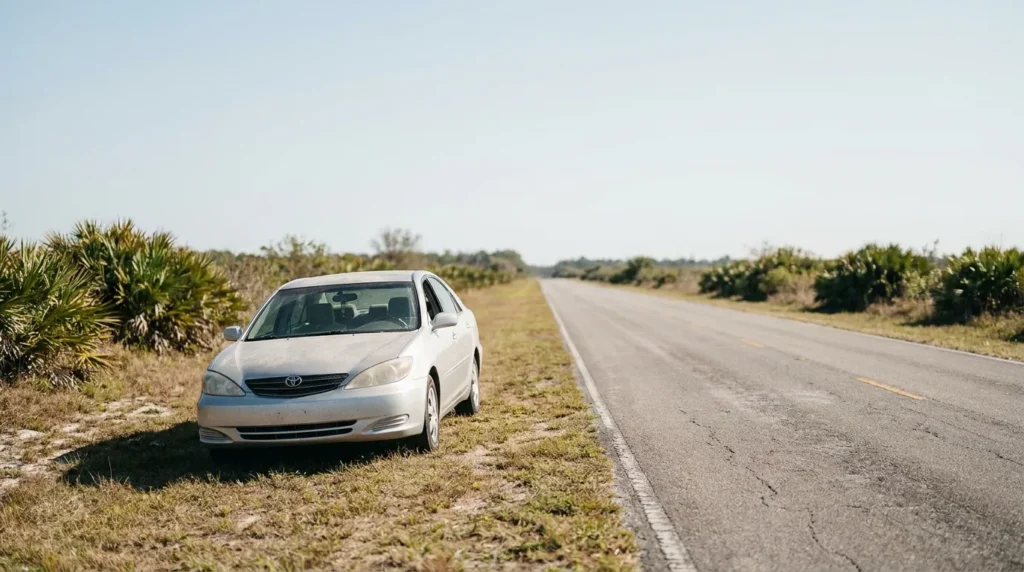
A phantom vehicle claim is how injured Floridians seek compensation when an unidentified driver causes a crash and disappears before they can be identified. Picture a car that swerves into your lane, forces you off the road, and speeds away without making contact or leaving a license plate. Because there’s no at-fault driver to sue, Florida law allows you to turn to your own uninsured motorist (UM) coverage to recover damages. This makes a florida phantom vehicle claim one of the most important tools for victims of hit-and-run and no-contact collisions.
If you were hurt by a driver who cannot be found, reach out to Attorney Big Al at 1-800-HURT-123 by calling 1-800-487-8123 or through the firm’s online case review form.
How a Florida Phantom Vehicle Claim Works
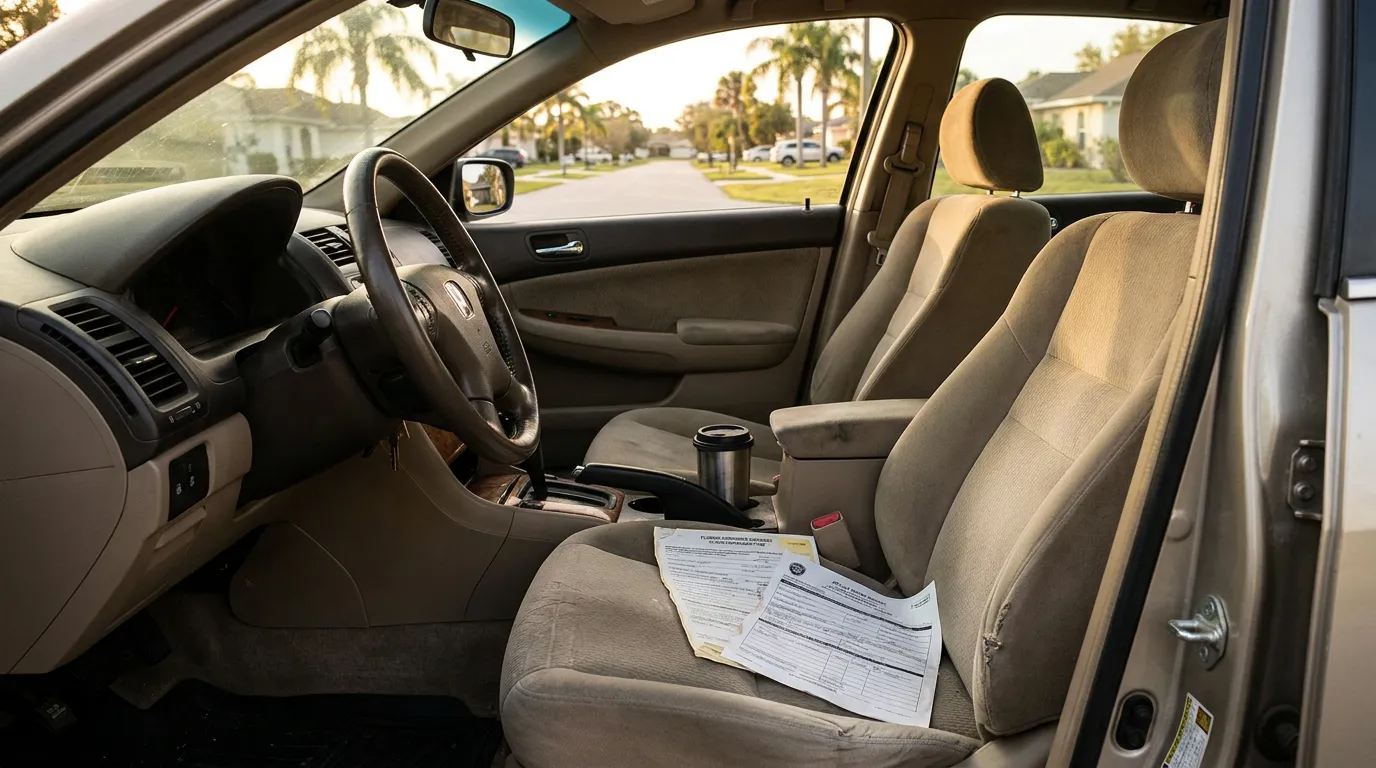
A phantom vehicle claim is built on Florida’s uninsured motorist statute, not a lawsuit against the unknown driver. Because the fleeing motorist cannot be located, you recover through the UM coverage on your own auto policy. Florida’s framework is governed by Fla. Stat. § 627.727. You can review the full statutory chapter through the Florida Senate’s motor vehicle insurance laws.
The statute requires UM coverage to protect people legally entitled to recover from uninsured drivers. Under Fla. Stat. § 627.727(1), coverage must be provided "for the protection of persons insured thereunder who are legally entitled to recover damages from owners or operators of uninsured motor vehicles because of bodily injury, sickness, or disease, including death." A phantom driver who cannot be identified is treated as an uninsured driver, provided the claim is corroborated by evidence other than the injured person’s testimony.
Why "No Contact" Cases Are Different
A phantom vehicle case often involves no physical contact between vehicles, creating a unique evidentiary challenge. In many hit-and-run situations, there’s at least paint transfer or debris. In a true no-contact phantom driver Florida scenario, Florida law requires corroborating evidence beyond the claimant’s testimony that another vehicle caused the crash. Courts and insurers scrutinize these claims closely, so independent proof such as witness statements or dashcam footage is significant.
💡 Pro Tip: If a phantom vehicle forces you off the road, note the direction it fled, look for nearby traffic cameras, and ask witnesses for contact information before they leave.
The Role of Uninsured Motorist Coverage in Florida
Uninsured motorist coverage is the foundation of nearly every phantom vehicle accident Florida claim. Florida law requires UM coverage be offered with every auto bodily injury liability policy unless the insured rejects it in writing. Under Fla. Stat. § 627.727(1), no bodily injury liability policy may be issued in Florida "unless uninsured motor vehicle coverage is provided therein" for at least the bodily injury liability limits, unless the insured rejects coverage or selects lower limits in writing.
Coverage can be waived, directly affecting potential recovery. The statute provides that UM coverage "is not applicable when, or to the extent that, an insured named in the policy makes a written rejection of the coverage on behalf of all insureds" on an approved form. Whether you previously accepted, reduced, or rejected UM coverage often determines the ceiling on your recovery. For more explanation, see this guide on understanding uninsured and underinsured motorist coverage.
Uninsured drivers remain a real problem on Florida roads. The Florida Highway Safety and Motor Vehicles agency tracks unregistered vehicles without required insurance on the state’s uninsured motorist rate page. Because many drivers lack adequate coverage, your own UM policy is frequently the most reliable path to compensation.
What You Can Recover After a Phantom Driver Crash
UM coverage fills the gap between other available benefits and your actual damages. Under Fla. Stat. § 627.727(1), UM coverage "shall be over and above, but shall not duplicate" benefits such as personal injury protection, and it "shall cover the difference, if any, between the sum of such benefits and the damages sustained, up to the maximum amount of such coverage." Importantly, coverage "shall not be reduced by a setoff against any coverage, including liability insurance."
Florida’s No-Fault system provides baseline benefits that UM coverage builds upon. According to FLHSMV, Florida’s No-Fault Law requires registered vehicles to carry at least $10,000 in personal injury protection and $10,000 in property damage liability coverage. In a phantom vehicle scenario, PIP typically responds first for medical bills, and UM coverage addresses remaining losses. Common recoverable damages include:
- Medical expenses beyond PIP limits, including future treatment
- Lost wages and diminished earning capacity
- Pain, suffering, and inconvenience, subject to statutory thresholds
- Costs tied to permanent injury or disability
Recovery for non-economic harm is limited unless your injury meets a statutory threshold. Under Fla. Stat. § 627.727(7), a UM insurer’s liability "does not include damages in tort for pain, suffering, mental anguish, and inconvenience unless the injury or disease is described in one or more of paragraphs (a)-(d) of s. 627.737(2)."
Coverage Limits, Stacking, and Setoffs
How much UM coverage applies depends on where you were and how your policies are structured. These limitations apply when an insured has accepted non-stacked coverage under Fla. Stat. § 627.727(9). If you’re occupying a motor vehicle, "the uninsured motorist coverage available to her or him is the coverage available as to that motor vehicle." If you were not in a vehicle, such as a pedestrian or cyclist, § 627.727(9)(e) allows you to "select any one limit of uninsured motorist coverage for any one vehicle afforded by a policy under which she or he is insured."
Florida law permits stacked UM coverage by default, but a non-stacking election changes how limits apply. For non-stacked policies, under Fla. Stat. § 627.727(8)(a), coverage on two or more vehicles "shall not be added together to determine the limit of insurance coverage available to an injured person for any one accident, except as provided in paragraph (c)." That exception grants a person occupying a non-owned vehicle "the highest limits of uninsured motorist coverage afforded for any one vehicle as to which she or he is a named insured or insured family member" as excess coverage.
| Situation | Generally Available UM Coverage (Non-Stacked Policies) |
|---|---|
| Occupying your own insured vehicle | Coverage on that vehicle (Fla. Stat. § 627.727(9)(b)) |
| Occupying a non-owned vehicle | Highest limit among your policies, as excess (§ 627.727(9)(c)) |
| Not in any vehicle (pedestrian/cyclist) | Select one limit from a policy insuring you (§ 627.727(9)(e)) |
Coverage disputes often turn on policy definitions and exclusions, so outcomes depend heavily on specific facts and exact policy language.
Deadlines and Practical Steps for Your Florida Crash Claim
Acting quickly protects both your health and legal rights after a phantom vehicle accident. Prompt medical care creates documentation linking injuries to the crash. Reporting the incident to law enforcement and your insurer promptly helps counter arguments that the phantom driver didn’t exist. A knowledgeable Florida car accident attorney can help gather evidence before it disappears.
Time limits apply, and courts generally interpret exceptions narrowly. A UM claim is a contract claim against your own insurer and is generally governed by a different limitations period than a negligence action. While certain discovery or tolling doctrines may apply in limited circumstances, they’re not automatic. Because these rules are fact-sensitive, confirming your specific deadline early is the safest approach.
💡 Pro Tip: Notify your insurer of a potential UM claim in writing and keep copies of every communication, since delays in notice can become a dispute point.
Frequently Asked Questions
1. Is a phantom vehicle claim the same as a hit-and-run claim in Florida?
They overlap but aren’t identical. A hit-and-run claim Florida scenario usually involves physical contact, while a phantom vehicle claim can arise with no contact. Both generally rely on uninsured motorist coverage when the responsible driver cannot be identified.
2. Do I need physical contact to file a phantom vehicle claim?
Not necessarily, but corroboration is required. Florida allows no-contact claims, but requires independent evidence beyond your testimony that another vehicle caused the crash. Witnesses, video footage, and physical evidence strengthen your position.
3. What if I rejected uninsured motorist coverage?
Your recovery options may be limited. Under Fla. Stat. § 627.727(1), a valid written rejection on an approved form can reduce or eliminate UM coverage. Whether a prior rejection is enforceable is worth reviewing with a Florida auto accident lawyer.
4. Can a pedestrian or cyclist file a phantom vehicle claim?
Yes, in many cases. Under Fla. Stat. § 627.727(9)(e), a person not occupying a vehicle who has non-stacked coverage may select one UM limit from a policy under which they’re insured, providing a path to recovery even without owning the vehicle involved.
5. Does PIP cover everything after a phantom driver crash?
Usually not. PIP provides baseline medical and wage benefits, but serious injuries often exceed those limits. UM coverage addresses the difference, subject to policy limits and statutory thresholds.
Protecting Your Right to Compensation After a Phantom Crash
A phantom vehicle claim gives injured Floridians a real avenue to recover when a driver flees. By combining PIP, UM coverage, and the protections in Fla. Stat. § 627.727, victims can pursue medical costs, lost income, and other damages even when the at-fault driver is never identified. Because coverage limits, stacking rules, and injury thresholds all shape the outcome, careful documentation and timely action are essential. Working with a dedicated florida phantom vehicle claim lawyer can help you understand how these rules apply to your situation.
You deserve clear answers and a strong advocate after a confusing crash. If a phantom driver left you injured, connect with Attorney Big Al at 1-800-HURT-123 by calling 1-800-487-8123 or by starting your free consultation request today.
