
Understanding Fatal Elevator Accidents on Commercial Property
Key Takeaways: When a fatal elevator accident occurs on Florida commercial property, liability typically falls on the party whose negligence caused the failure, the property owner, maintenance contractor, or manufacturer. Florida’s comparative fault system can divide responsibility among multiple defendants, making it crucial to identify all at-fault parties. The Florida Wrongful Death Act (Fla. Stat. §§ 768.16, 768.26) provides the foundation for these claims, shifting losses onto the wrongdoer rather than survivors. Qualifying survivors under Fla. Stat. § 768.18(1) may recover damages including lost support, companionship, mental pain and suffering, and medical expenses. Settling with one party doesn’t automatically release others, and strict deadlines apply, including a two-year written-claim requirement for government buildings. Timely investigation and legal guidance are essential to protecting your family’s rights.
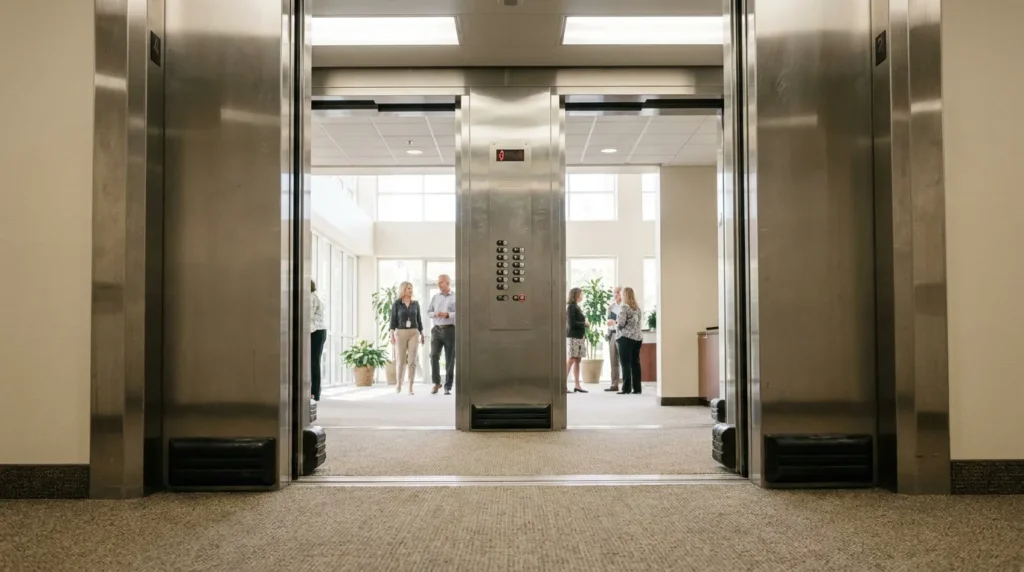
When a loved one dies in an elevator accident inside a store, hotel, office building, or apartment complex, Florida law allows families to hold responsible parties accountable. Liability for elevator deaths on commercial property usually falls on the party whose negligence caused the failure, the property owner, maintenance contractor, or equipment manufacturer. Because multiple parties can share blame, identifying every responsible defendant is key to full recovery.
If your family is facing this loss, reach out to Attorney Big Al at 1-800-HURT-123 for guidance, call 1-800-487-8123 to speak with someone today, or contact our team now to learn how Florida law may protect your rights.
What the Numbers Reveal: Elevator Death Statistics and Risks
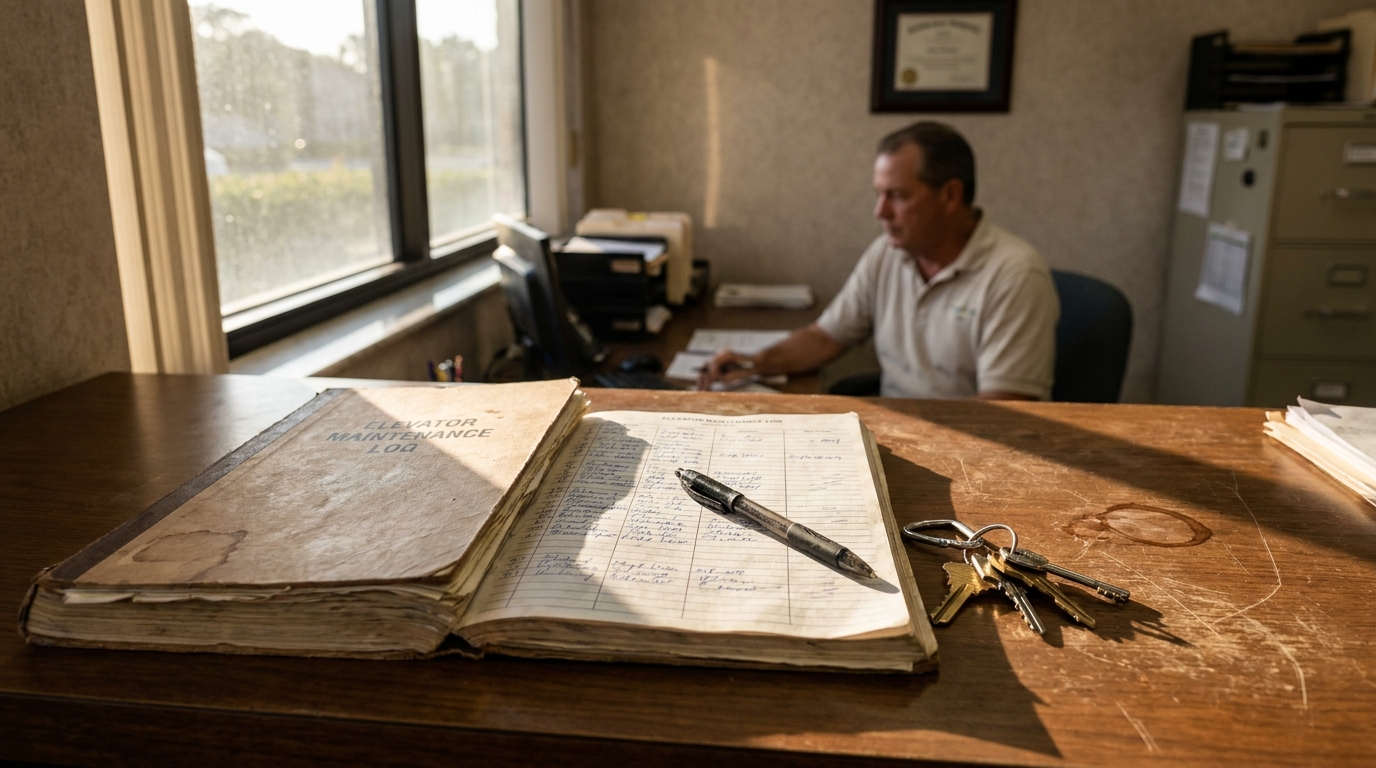
Elevator death statistics show these accidents, while rare, are frequently severe and often preventable. National data indicates elevators cause dozens of fatalities annually, with maintenance and mechanical failures ranking among leading causes. In commercial settings, patterns point toward inadequate inspection, deferred repairs, and defective components rather than user error. These trends matter because they establish foreseeability, a central element in Florida premises liability claims.
Understanding elevator death statistics helps families recognize fatal accidents are rarely freak occurrences. Often, the same hazard that caused death had shown warning signs a diligent owner or contractor could have addressed.
💡 Pro Tip: If possible, photograph the elevator, its inspection certificate, and any visible defects before the property owner makes repairs. Evidence often disappears quickly after serious incidents.
Who Can Be Held Responsible for a Fatal Elevator Accident
Liability in Florida elevator death cases may extend to several parties, with fault divided among them. Florida’s comparative fault system allows juries to assign responsibility percentages to each party, meaning a single fatal accident can support claims against multiple defendants simultaneously.
The Commercial Property Owner
Commercial property owners owe the highest duty of care to invitees, including shoppers, tenants, hotel guests, and office visitors. This duty arises from Florida common law and general Chapter 768 premises liability principles; Fla. Stat. § 768.075 is a trespasser-immunity statute that defines ‘invitation’ for purposes of determining trespasser status rather than as the source of invitee protections. For lawful visitors, ordinary negligence in failing to maintain or inspect an elevator can impose liability.
Even trespassers retain limited protections. Under Fla. Stat. § 768.075(1), owners aren’t immune when gross negligence or intentional misconduct proximately causes death or injury.
The Elevator Maintenance Contractor
Elevator maintenance negligence is among the most common sources of liability in fatal elevator accidents. Many building owners contract with outside companies to inspect, service, and repair elevators. When contractors skip inspections, ignore service warnings, or perform faulty repairs, their conduct may proximately cause death. Maintenance companies can be named as defendants alongside property owners.
The Elevator Manufacturer
Defective elevator components can make manufacturers liable under Florida’s negligence framework. Under Fla. Stat. § 768.81(1)(c), "negligence action" includes, without limitation, civil actions based upon a theory of negligence, strict liability, products liability, professional malpractice (whether couched in terms of contract or tort), or breach of warranty and like theories. Families may pursue property owner negligence Florida claims and product defect claims within the same statutory framework. Review the broader statutory scheme through the official Florida Chapter 768 statutes maintained by the state legislature.
💡 Pro Tip: Document the elevator’s brand, model, and service stickers. This information helps determine whether a manufacturer or service contractor may share responsibility.
How Florida’s Legal Framework Governs Elevator Death Claims
The Florida Wrongful Death Act provides the statutory foundation for elevator liability Florida claims. Under Fla. Stat. § 768.16, Sections 768.16 through 768.26 constitute the "Florida Wrongful Death Act." The Act establishes a clear right to sue when death results from wrongful act, negligence, default, or breach of warranty, per Fla. Stat. § 768.19. These provisions apply to fatal elevator accident Florida families face on commercial property.
Florida’s public policy strongly favors survivors. Under Fla. Stat. § 768.17, state policy shifts losses from wrongful death from survivors onto the wrongdoer, with remedial provisions liberally construed. This directive can influence how courts interpret close questions. Elevator accident claims sit within Florida’s general negligence framework under Title XLV, Chapter 768, Part I.
Comparative fault plays a decisive role in recovery. Under Fla. Stat. § 768.81(6), parties found greater than 50 percent at fault for their own harm cannot recover damages, a modified comparative negligence rule for causes of action accruing after March 24, 2023. In elevator death cases, this rule applies to the decedent’s conduct, so evidence of elevator misuse can reduce or bar recovery.
| Party | Typical Duty | Common Basis for Liability |
|---|---|---|
| Property owner | Highest duty to invitees | Failure to maintain or inspect |
| Maintenance contractor | Duty to service safely | Skipped or faulty repairs |
| Manufacturer | Duty to produce safe product | Defective component or design |
Understanding Releases and Shared Liability
Settling with one responsible party doesn’t automatically release others. Under Chapter 768, a release or covenant not to sue one tortfeasor for wrongful death doesn’t discharge liability of others who may be liable for the same death, unless the release expressly provides otherwise. This is significant when property owners and elevator maintenance contractors both share responsibility. Families should approach early settlement offers cautiously to avoid unintentionally undercutting claims against second defendants.
Set-off and apportionment rules within Chapter 768 affect how damages are divided. Provisions in Fla. Stat. § 768.041 and comparative fault rules in Fla. Stat. § 768.81 work together to allocate liability among multiple defendants. Resources on elevator accident lawyer Florida topics can help you understand what to expect.
💡 Pro Tip: Avoid signing documents from insurers or property managers before understanding whether they could waive claims against other responsible parties.
Damages Available to Surviving Family Members
The Florida Wrongful Death Act allows survivors to recover broad damages after fatal elevator accidents. Under Fla. Stat. § 768.21, survivors may recover lost support and services, surviving spouses may recover for loss of companionship and protection and mental pain and suffering, and personal representatives may recover lost earnings from injury date to death date. Estates may also pursue prospective net accumulations. Medical and funeral expenses typically form part of recovery.
Florida law precisely defines who may benefit from wrongful death claims. Under Fla. Stat. § 768.18(1), "survivors" means the decedent’s spouse, children, parents, and when partly or wholly dependent on the decedent, blood relatives and adoptive siblings. Common recoverable categories include:
- Lost financial support and services
- Loss of companionship, protection, and guidance
- Mental pain and suffering for qualifying survivors
- Medical and funeral expenses
A knowledgeable Florida premises liability attorney can help identify which survivors qualify and what losses may be claimed.
Deadlines and Special Rules That Can Affect Your Claim
Time limits are among the most important factors in Florida injury claims. Florida generally applies a two-year statute of limitations to wrongful death actions, running from death date under Fla. Stat. § 95.11. Discovery rules or tolling may extend filing windows in limited circumstances, but don’t apply automatically. Missing deadlines can permanently bar claims, so families should confirm applicable timeframes early.
Government-owned buildings involve separate procedural requirements. If a fatal elevator accident occurs in a state courthouse, public university, or government office, written claims must generally be presented before filing lawsuits. Under Fla. Stat. § 768.28(6)(a)2, wrongful death claimants must present claims in writing to the Department of Financial Services within 2 years after accrual. This administrative requirement is separate from civil lawsuits.
Frequently Asked Questions
-
Who is usually liable for an elevator death on commercial property?
Liability commonly rests with the property owner, maintenance contractor, or manufacturer. Florida’s comparative fault system may divide responsibility depending on evidence.
-
Can my family sue if the accident happened in a government building?
Possibly, but under Fla. Stat. § 768.28(6)(a)2 a written wrongful death claim must be presented to the Department of Financial Services within 2 years before filing suit.
-
What if the person who died was partly at fault?
Under Fla. Stat. § 768.81(6), parties found greater than 50 percent at fault for their own harm generally cannot recover damages, though findings depend on specific facts.
-
Who qualifies as a survivor under the Florida Wrongful Death Act?
Under Fla. Stat. § 768.18(1), survivors include the spouse, children, parents, and when dependent on the decedent, certain blood relatives and adoptive siblings.
-
Does settling with the property owner end my case against others?
Generally no. Under Chapter 768, releasing one tortfeasor doesn’t discharge others who may be liable for the same death.
Protecting Your Family’s Rights After a Fatal Elevator Accident
Fatal elevator accidents on commercial property can involve several responsible parties and complex statutory rules. Florida law, through the Wrongful Death Act and Chapter 768’s premises liability and comparative fault provisions, gives families a clear path to hold negligent owners, contractors, and manufacturers accountable. Because deadlines, survivor eligibility, and shared-liability questions are fact-sensitive, careful investigation and timely action are essential.
You don’t have to navigate this difficult time alone. Connect with Attorney Big Al at 1-800-HURT-123 for supportive guidance, call 1-800-487-8123 to discuss what happened, or reach out to our team now to take the next step toward accountability.
