
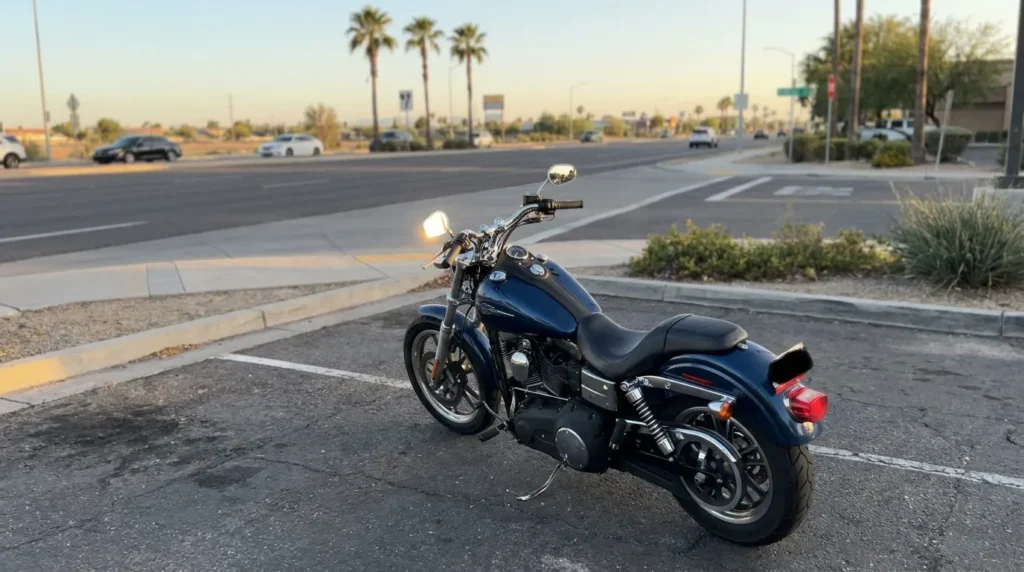
The Truth Behind "I Never Saw the Motorcycle"
Key Takeaways: Under Florida law, a driver’s claim that they "never saw the motorcycle" is not a valid excuse for causing a crash. Failing to see a rider does not erase the legal duty to look carefully and yield the right-of-way. While researchers recognize a genuine "looked but failed to see" perceptual error, this failure creates no legal defense. Florida’s right-of-way statutes, including Fla. Stat. § 316.121, § 316.123, § 316.027(2)(e), and § 318.14(5), require motorists to yield to riders and impose steep penalties for injuring vulnerable road users. A driver’s admission that they did not see you can actually help prove negligence. Florida’s modified comparative fault rule and a two-year statute of limitations both shape how much an injured rider can recover and when they must act.
"I never saw the motorcycle" is one of the most common statements drivers make after striking a rider, but under Florida law it is not a free pass to avoid responsibility. A driver’s failure to notice a motorcyclist does not erase the legal duty to look carefully and yield the right-of-way. The crash itself, the traffic laws violated, and the resulting injuries matter far more than whether the driver claims to have seen the rider. If you were hurt because someone failed to see you, that admission may actually help prove negligence rather than excuse it.
Reach out to Attorney Big Al at 1-800-HURT-123 to discuss your options after a crash. You can call 1-800-487-8123 for a confidential conversation, or contact us now to start building your claim.
Why "I Didn’t See You" Fails as a Legal Defense in Florida
A driver’s duty of care does not depend on whether they actually saw a motorcyclist. Researchers have studied what is called the "looked but failed to see" error, where the car driver reports having looked but not seen the approaching motorcycle. This is treated in scientific literature as a genuine perceptual failure.
Yet an honest failure to perceive does not translate into a legal defense. Studies link these failures to motorcycles’ small frontal size, irregular contour, and often dark color, combined with drivers’ cognitive limits. Even so, Florida law expects motorists to actively watch for and yield to riders who have every legal right to be on the road.
💡 Pro Tip: If the at-fault driver admits at the scene that they "just didn’t see" you, ask the responding officer to note that statement in the crash report. It can support your account of how the collision occurred.
Why Should You Be Extra Careful Around Motorcycles
Understanding why should you be extra careful around motorcycles begins with recognizing how vulnerable riders are compared to enclosed vehicles. The most common motorcycle accident is a right of way violation, with a car turning onto a road where an approaching motorcycle has priority. Intersections, left turns, and merges are where visibility problems most often turn deadly.
Florida transportation officials reinforce that drivers owe motorcyclists genuine attention. State safety guidance urges motorists to treat riders as equals and maintain a safe cushion of space. You can review the state’s motorcycle safety awareness guidance to see how drivers are told to leave adequate following distance and share the road.
💡 Pro Tip: Photograph the entire intersection, including sightlines, signage, and skid marks, before leaving the scene if you are physically able. These details often reveal whether a driver truly had an unobstructed view.
Florida’s Right-of-Way Laws and the Duty to Yield
Florida traffic law imposes clear right-of-way obligations that apply to motorcycles exactly as they apply to cars and trucks. A driver cannot hide behind poor visibility when the statute already required them to yield. You can read the controlling rules in Florida’s Chapter 316 traffic regulations.
Yielding at Intersections
At intersections, the driver who arrives second must yield to traffic already there. Under Fla. Stat. § 316.121, the driver approaching an intersection shall yield the right-of-way to a vehicle already in the intersection, and a violation is a noncriminal traffic infraction punishable as a moving violation. A motorcyclist lawfully in the intersection has priority regardless of the driver’s claim about visibility.
Stop and Yield Signs
At controlled intersections, the law goes further in protecting riders with the right-of-way. Under Fla. Stat. § 316.123(3), after slowing or stopping at a yield sign, a driver must yield the right-of-way to any vehicle in the intersection or approaching on another highway so closely as to constitute an immediate hazard. If such a driver is involved in a collision with a pedestrian in a crosswalk or a vehicle in the intersection after driving past a yield sign without stopping, the collision shall be deemed prima facie evidence of the driver’s failure to yield the right-of-way. The crash itself becomes statutory evidence of fault.
Heightened Protections for Vulnerable Road Users
Florida singles out motorcyclists as vulnerable road users who deserve extra vigilance from drivers. Under Fla. Stat. § 316.027, a driver convicted of leaving the scene may have their license revoked for at least three years and may be required to complete a victim’s impact panel or a state-approved course on the rights of vulnerable road users. These penalties signal that failure to account for a motorcyclist is a serious lapse, not an acceptable excuse.
| Statute | Protection for Riders |
|---|---|
| Fla. Stat. § 316.121 | Duty to yield to vehicles already in an intersection |
| Fla. Stat. § 316.123 | Collision after ignoring yield sign is prima facie evidence of fault |
| Fla. Stat. § 316.027(2)(e) | License revocation for leaving the scene of a crash injuring vulnerable road users |
| Fla. Stat. § 318.14(5) | Enhanced civil penalty for infractions against vulnerable road users |
Enhanced financial penalties reinforce these duties. Under Fla. Stat. § 318.14(5), penalties are tiered as follows: for infractions under § 318.19(1) resulting in death (not involving a vulnerable road user), the civil penalty is $1,000 and the license is suspended for 6 months; for infractions under § 318.19(1) resulting in death when committed against a vulnerable road user as defined in § 316.027(1), the civil penalty is not less than $5,000, the license is suspended for 1 year, and a mandatory driver improvement course is required; and for infractions under § 318.19(2) resulting in serious bodily injury to a vulnerable road user, the civil penalty is not less than $1,500, the license is suspended for 3 months, and a mandatory driver improvement course is required. Infractions under § 318.19(2) (serious bodily injury, non-vulnerable-road-user) carry a $500 civil penalty and a 3-month suspension.
How Comparative Fault Shapes a Rider Injury Claim
Florida’s fault system directly affects how much an injured motorcyclist can recover. In 2023, the state adopted a modified comparative fault standard. Under Fla. Stat. § 768.81(6), any party found greater than 50 percent at fault for his or her own harm may not recover damages. This means an at-fault driver may try to shift blame onto you by arguing you were hard to see. Learning how the modified comparative fault system works can help you understand what is at stake.
Defendants sometimes point to motorcycle headlights to argue rider negligence, but Florida law limits that tactic. Under Fla. Stat. § 316.405, failure to run a headlight during daylight hours is not admissible as evidence of negligence. It may be considered only if the violation was a proximate cause of the crash.
💡 Pro Tip: Avoid giving a recorded statement to the other driver’s insurer before speaking with counsel. Adjusters often ask questions designed to increase your share of fault under the comparative negligence rule.
Deadlines That Can Make or Break Your Case
Florida sets strict time limits for filing a motorcycle accident lawsuit, and missing them can end a claim before it begins. The statute of limitations was amended effective March 24, 2023, cutting the deadline for negligence claims from four years to two years. Under Fla. Stat. § 95.11(5), an action founded on negligence and an action for wrongful death must be filed within two years of the crash.
Reporting obligations also create an official record that supports your claim. Under Fla. Stat. § 316.065, a driver involved in a crash causing injury, death, or at least $500 in property damage must immediately notify law enforcement. That crash report can help document how a failure to see or yield occurred.
Certain narrow exceptions may adjust these deadlines, but courts interpret them strictly. Tolling or delayed discovery does not apply automatically. Riders should confirm their filing deadline promptly rather than assume an extension applies.
- Confirm the exact date of your crash and calculate the two-year window early.
- Preserve the police crash report, medical records, and repair estimates.
- Keep a written timeline of your treatment and lost wages.
- Speak with counsel before accepting any early settlement offer.
Building Your Case After a Motorcycle Crash
Proving an at-fault driver’s negligence generally rests on three elements: duty, breach, and causation. The right-of-way statutes establish the duty, the crash often shows the breach, and your medical evidence connects that breach to your injuries. A strong claim ties these pieces together with documentation gathered soon after the collision.
Working With a Motorcycle Accident Attorney
Guidance from a knowledgeable advocate can help you respond to blame-shifting tactics. A dedicated why should you be extra careful around motorcycles lawyer can evaluate the crash report, apply Florida traffic law, and preserve evidence before it disappears.
Frequently Asked Questions
-
Is failing to see a motorcyclist a valid legal excuse in Florida?
No, a failure to see a rider does not excuse liability. Florida’s right-of-way statutes require drivers to yield regardless of whether they claim to have looked. The admission may support your claim that the driver breached a duty of care.
-
How long do I have to file a motorcycle accident claim?
Generally, you have two years from the date of the crash. Under Fla. Stat. § 95.11(5), both negligence and wrongful death actions must be commenced within that window.
-
Can the driver blame me for being hard to see?
They can try, but Florida limits that argument. Under the modified comparative fault rule, your recovery is reduced by your share of fault and barred only if you are more than 50 percent responsible. Headlight-based blame is restricted under Fla. Stat. § 316.405.
-
What penalties can an at-fault driver face for injuring a rider?
Penalties can be significant. Under Fla. Stat. § 318.14(5), penalties are tiered: for infractions under § 318.19(1) resulting in death (not involving a vulnerable road user), the civil penalty is $1,000 and the license is suspended for 6 months; for infractions under § 318.19(1) resulting in death when committed against a vulnerable road user as defined in § 316.027(1), the civil penalty is not less than $5,000, the license is suspended for 1 year, and a mandatory driver improvement course is required; and for infractions under § 318.19(2) resulting in serious bodily injury to a vulnerable road user, the civil penalty is not less than $1,500, the license is suspended for 3 months, and a mandatory driver improvement course is required. Infractions under § 318.19(2) resulting in serious bodily injury to a non-vulnerable road user carry a $500 civil penalty and a 3-month suspension. Under § 316.027(2)(e), a driver who leaves the scene may face license revocation.
-
Do I need to report the crash to police?
Yes, in most injury or serious property-damage cases. Fla. Stat. § 316.065 requires immediate notice to law enforcement, and the resulting report often becomes key evidence.
Taking the Next Step After a South Florida Crash
Failing to see a motorcyclist is not a valid excuse under Florida law, and the statutes consistently place the duty of care on drivers. From right-of-way rules to enhanced penalties for harming vulnerable road users, the law recognizes that visibility challenges do not relieve motorists of responsibility. If an at-fault driver injured you, understanding these protections can help you pursue fair compensation within the applicable deadline.
Do not wait to protect your rights after a Motorcycle Accident in Florida. Speak with Attorney Big Al at 1-800-HURT-123 today, call 1-800-487-8123 to discuss what happened, or reach out through our contact page to get started.
