

Understanding the Open and Obvious Defense in Florida Slip and Fall Cases
If you’ve been injured in a slip and fall on someone else’s property in Florida, you may encounter the "open and obvious" defense. This defense argues the hazard was so apparent that any reasonable person would have seen and avoided it. But does that automatically bar your case? Not necessarily. Florida premises liability law recognizes that even visible hazards can form the basis of a valid claim under certain circumstances.
If a property owner is blaming you for not seeing the hazard, Attorney Big Al at 1-800-HURT-123 can help you fight back. Call 1-800-487-8123 or reach out online to discuss your options today.
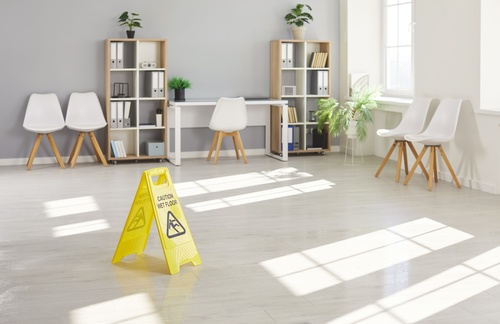
How Florida Premises Liability Law Protects Visitors
Premises liability is grounded in negligence, meaning a property owner can be held responsible if they failed to keep the property reasonably safe and that failure directly caused your injury. Florida’s negligence framework falls under Chapter 768, Title XLV of the Florida Statutes, including §768.0755, which governs slip and fall claims involving transitory foreign substances in business establishments, and §768.0705, which addresses broader limitations on premises liability.
The level of protection you receive depends on your legal status on the property. Property owners owe the highest duty of care to invitees, which includes regularly inspecting for dangerous conditions and either repairing or warning about them. If you were shopping or dining when you fell, you were likely an invitee entitled to that heightened standard.
What You Must Prove in a Slip and Fall Claim in Florida
To succeed in a premises liability claim, you must establish four legal elements: duty, breach, causation, and damages. The property owner must have owed you a duty of care, breached that duty by failing to address a dangerous condition, directly caused your injury, and you must have suffered actual damages such as medical bills, lost wages, or pain and suffering.
Breach is often the most contested element. You may need to show the owner had either actual notice (they knew about the hazard) or constructive notice (the hazard existed long enough that they should have discovered it). Understanding constructive knowledge in a fall case is critical to overcoming common defense strategies.
💡 Pro Tip: After a fall, photograph the hazard immediately from multiple angles. Time-stamped photos can establish that the condition existed long enough for the property owner to have discovered it.
What the Open and Obvious Defense Actually Means
The open and obvious defense argues that the hazard was so visible that a reasonable person exercising ordinary perception would have noticed and avoided it. When a property owner raises this defense, they claim they had no duty to warn you because the danger spoke for itself.
This is one of the most frequently raised defenses in Florida slip and fall litigation. However, the defense is not a guaranteed shield. Courts examine the totality of circumstances to determine whether the hazard was truly obvious to a person in your position.
💡 Pro Tip: Even if a hazard seems visible in hindsight, factors like poor lighting, crowded aisles, or weather conditions may have made it difficult to notice. Document those environmental conditions as evidence.
When the Defense Fails: Anticipated Harm and Distractions
Even if a hazard is considered open and obvious, the property owner may still be held liable if they should have anticipated that a person might encounter it. For example, if a store places a colorful display that draws customers’ attention away from a spill, the open and obvious defense may fail. The property owner created the very distraction that prevented you from noticing the hazard.
Courts evaluate whether the property owner took reasonable steps given the circumstances. A wet floor near a store entrance on a rainy day may be foreseeable even if the water is visible, because the owner should anticipate continuous foot traffic. The question is not just whether the hazard was visible but whether the owner acted reasonably.
Common Defenses Property Owners Use Against Slip and Fall Claims
Beyond the open and obvious doctrine, property owners have several other defenses they may raise to fight your claim. Understanding these defenses helps you anticipate what you may face.
| Defense | How It Works | How It Affects Your Claim |
|---|---|---|
| Open and Obvious Doctrine | Claims the hazard was evident to any reasonable person | May reduce or eliminate the owner’s duty to warn |
| Comparative Negligence | Argues you were partially at fault for your fall | Your recovery is reduced by your percentage of fault, and if you are found more than 50 percent at fault, you are barred from recovering any damages |
| Assumption of Risk | Claims you voluntarily encountered a known danger | Could bar or reduce recovery if proven |
| Statute of Limitations | Argues you filed your claim too late | May result in dismissal if the deadline has passed |
Comparative negligence is particularly important in Florida. Under the modified comparative negligence system established by HB 837 in 2023, if you are found more than 50 percent at fault, you are completely barred from recovering damages. If you are 50 percent or less at fault, your recovery is reduced by your percentage of fault. Insurance adjusters often try to inflate your share of fault to push it above 50 percent.
💡 Pro Tip: Avoid giving recorded statements to the property owner’s insurance company without first consulting an attorney. Adjusters may use your words to argue you were more at fault.
How Comparative Fault Intersects With Open and Obvious
The open and obvious defense and comparative negligence often work together from the defense side. A property owner may argue the hazard was obvious and you bear significant fault for not avoiding it. This approach can substantially reduce or eliminate your compensation if you are not prepared. An experienced slip and fall attorney in Florida can help you challenge these arguments by presenting evidence of the owner’s negligence and circumstances that prevented you from seeing or avoiding the hazard.
Building a Strong Case When the Open and Obvious Defense Is Raised
Defeating the open and obvious defense requires showing that the property owner’s negligence went beyond simply allowing a visible hazard to exist. You must demonstrate that the owner knew or should have known about the condition, failed to take reasonable corrective action, or created circumstances that made the hazard more dangerous.
- Document everything at the scene: Take photos of the hazard, surrounding area, lighting, signage, and environmental factors.
- Gather witness information: Other people who saw the conditions or your fall provide valuable testimony.
- Preserve medical records: Seek prompt medical attention and keep detailed records linking your injuries to the fall.
- Request surveillance footage: Many businesses have security cameras; request footage before it is overwritten.
- File an incident report: Ask the property manager to create a written record before you leave.
💡 Pro Tip: Florida law requires proving the property owner had notice of the hazardous condition. The sooner you gather evidence, the stronger your ability to establish the owner knew or should have known.
Why Timing Matters in Florida Fall Injury Cases
Acting quickly after a slip and fall is critical for both evidence preservation and meeting legal deadlines. Florida imposes a two-year statute of limitations on negligence-based personal injury claims, including slip and fall cases, for causes of action accruing on or after March 24, 2023. Missing that deadline can permanently bar your right to compensation. Physical evidence may be cleaned up within hours, making early documentation essential.
Why You Need a Slip and Fall Attorney in Florida on Your Side
Facing the open and obvious defense without legal representation puts you at a significant disadvantage. Property owners and insurance companies have legal teams working to minimize payouts. A slip and fall attorney in Florida who understands premises liability defenses can investigate your fall, gather critical evidence, and present arguments that counter the defense’s claims.
💡 Pro Tip: Many slip and fall cases settle through negotiation before trial. Having legal counsel during negotiations helps ensure the insurance company takes your claim seriously.
Frequently Asked Questions
1. Can I still recover compensation if the hazard was visible?
Yes, you may still recover compensation even if the hazard appeared visible. Florida courts consider whether the property owner should have anticipated that someone would encounter the hazard despite its visibility. Distractions, foot traffic patterns, and inadequate warnings can all weaken the open and obvious defense.
2. What is the difference between actual notice and constructive notice?
Actual notice means the property owner directly knew about the hazard, while constructive notice means the hazard existed long enough that a reasonably careful owner should have discovered it. Both forms can satisfy the breach element of a premises liability claim.
3. How does comparative negligence affect my Florida slip and fall claim?
Under Florida’s modified comparative negligence system, if you are found more than 50 percent at fault, you are barred from recovering damages. If your fault is 50 percent or less, your compensation is reduced by your percentage of responsibility. For instance, if you are awarded $100,000 but found 30 percent at fault, you would receive $70,000.
4. What should I do immediately after a slip and fall in Florida?
Seek medical attention, document the scene with photos and videos, report the incident to the property manager, collect witness contact information, and consult a slip and fall attorney as soon as possible. Avoid discussing fault at the scene or providing recorded statements to insurance adjusters without legal guidance.
5. Does the open and obvious defense automatically win the case for the property owner?
No, the open and obvious defense is not absolute. Property owners may still be held liable if they created distractions, failed to address foreseeable risks, or should have anticipated that visitors would encounter the hazard. Each case turns on its specific facts.
Protect Your Rights After a Florida Slip and Fall
The open and obvious defense is a common but beatable strategy in Florida slip and fall cases. Property owners have a legal duty to maintain safe conditions for visitors, and raising this defense does not automatically excuse their negligence. Whether you slipped on a wet floor, tripped over debris, or fell due to a poorly maintained walkway, the specific facts matter.
Do not let a property owner’s insurance company convince you that your injuries are your own fault. Attorney Big Al at 1-800-HURT-123 is ready to review your case and help you pursue the compensation you deserve. Call 1-800-487-8123 or contact us today for a consultation.
